
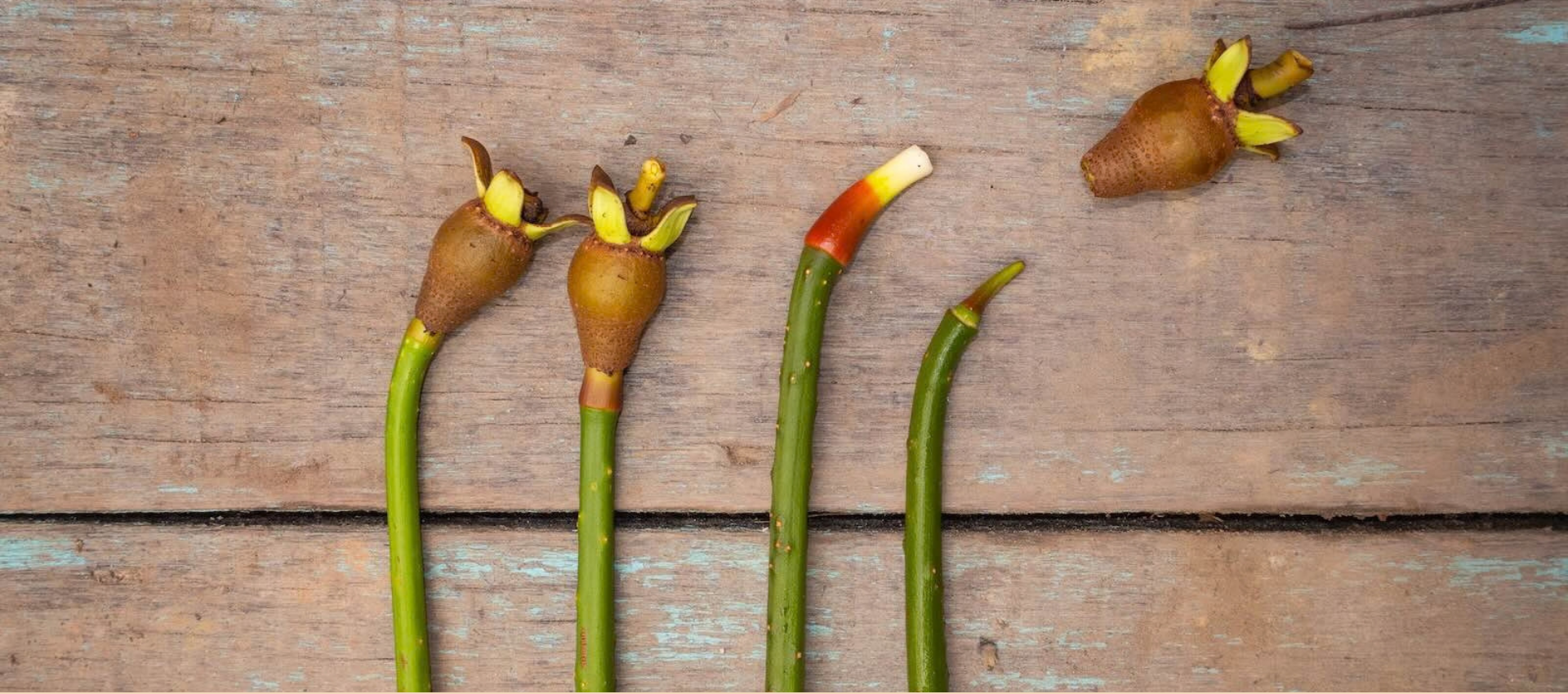
It has become a trope that if you want to show you are doing something for the environment, you plant mangroves. But those keeping a close watch believe such programmes are falling into a familiar trap: repeating the same failed methods, expecting a different outcome.
Since the national mangrove replanting programme started in 2005, conservationists say that at least half the plants planted have died. That is a loss of more than 3 mil mangrove and other coastal plants.
In fact, the survival rate might even be lower because the replanting programme does not capture all private initiatives. This includes businesses’ go-to corporate social responsibility (CSR) programmes.
Scenario Replayed
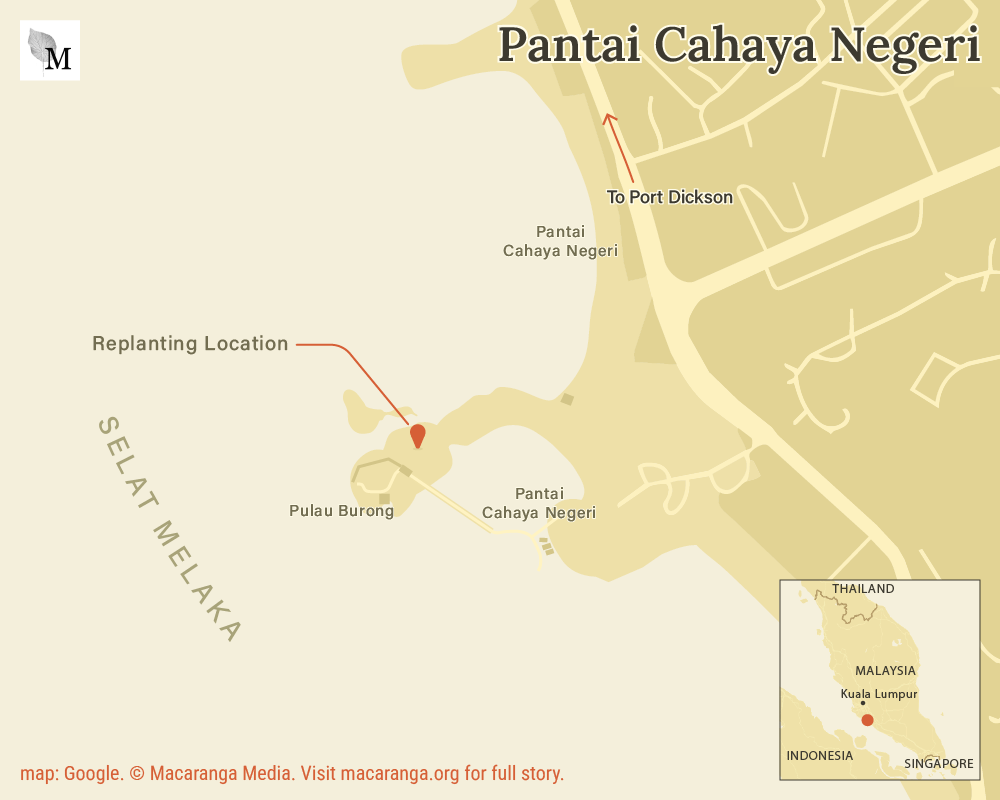
A typical example is at Pantai Cahaya Negeri in Port Dickson, Negeri Sembilan. On this famous recreational beach, more than 7,000 mangrove seedlings were planted from 2010–2024, according to media, corporate and state agency reports.
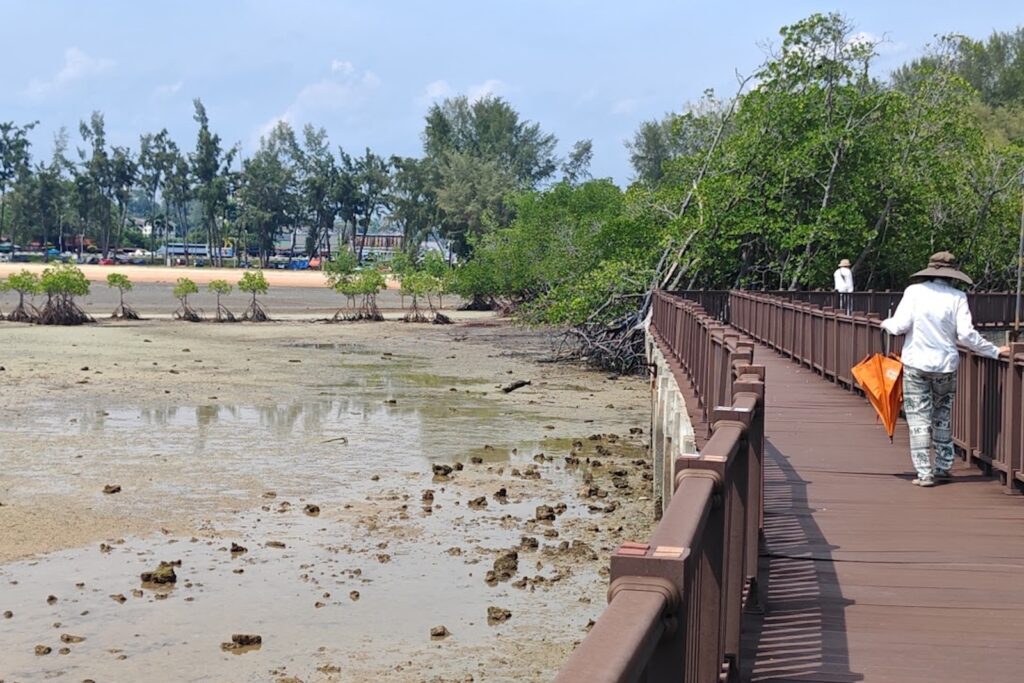
But instead of a thriving mangrove forest, the spot where at least 10 rounds of replanting happened, is mostly sand.
But a site visit in May revealed only a handful of mangrove trees. They were around a meter tall – the height of 2-year-old mangrove trees.
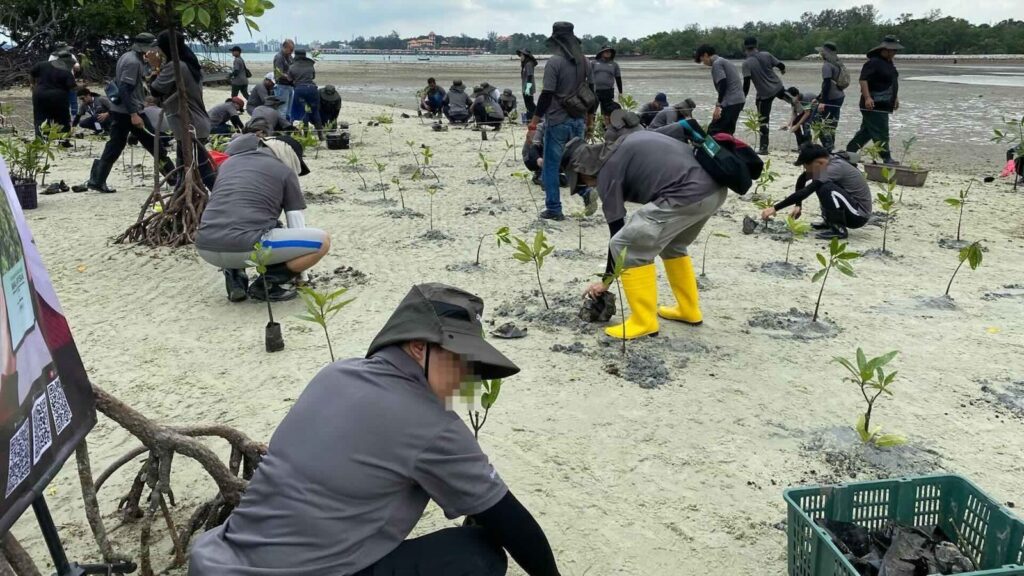
Yap Miow Lin is on the MNS branch committee, having joined after that replanting exercise. During a recent beach-cleanup that she organised on that site, she asked nearby fishermen what happened to the mangrove seedlings. Their answer was mortifying.
“They laughed and said that every year people will plant mangroves, but after that, the tides will come in and the seedlings get washed away!”
2024 was not the first time onsemi and MNS had planted on the same beach. Six years previously, the company’s staff and other volunteers had planted 800 seedlings there.
The total cost of both programmes is unclear, but through its “dollars-for-doers” scheme, onsemi donated USD 10-20 (RM41–82) per hour that its employees volunteer, to MNS.
“We are proud of our achievements and excited for the future,” reads the company’s 2024 sustainability report, which counted the mangrove replanting programme among “meaningful volunteer activities” undertaken by its staff around the globe.
The corporation, the Negeri Sembilan Forestry Department and the MNS headquarters did not respond to our queries.
Wrong Sites, No Funds
What keeps happening to mangrove seedlings on Pantai Cahaya Negeri is akin to “murder” in the eyes of ecologist and mangrove expert Dr. A Aldrie Amir.
“When a giraffe gets shot or a tiger becomes roadkill, we are very sympathetic because that’s a life lost.
“When you look at one propagule or one seedling of the mangrove, that’s also one life. But you simply take them out from underneath their parents and plant them in areas they can’t survive. You’re actually murdering them!”
Don’t Assume
Pantai Cahaya Negeri is simply the wrong place to plant mangroves, says Aldrie. While it is next to Pulau Burong, which does have an existing mangrove forest, that does not mean planting there will bring the same outcome.
“Pulau Burong is a near-shore rocky island. Some sturdy (mangrove) plant species may be able to grow there. But the planting was not done there. Deliberate planting was done on the beach. On sand,” he says.
“Some people involved in the replanting have approached me to ask why the mangroves they plant there don’t grow. My response is simply, ‘Who told you to plant there?’’
Official Programme
The answer to Aldrie’s question is likely to be the Forestry Department, says Sahabat Alam Malaysia field officer Meor Razak Abdul Rahman.
Meor sat for several years as an NGO representative in the committee for the Program Penanaman Semula Bakau dan Spesies-spesies Persisiran Pantai (Replanting Programme for Mangroves and Coastal Species). Established in 2005, the government-run national programme was a response to the 2004 Asian tsunami which destroyed long stretches of coastline in Malaysia and took 68 lives.
RM71 Mil Spent
Up to 2025, over RM71 mil of federal funds (USD 17.38 million) saw mangroves planted on 3,820 ha, the then acting-Minister of Natural Resources and Environmental Sustainability told media. This involved at least 7.9 mil seedlings.
“The survival rate is ranging from 30–80 percent, depending on the planting methods and maintenance measures.”
The replanting also pales in comparison to overall mangrove loss – more than 42,000 ha from 2017–2023, largely in Sabah and Sarawak, according to the official mangrove data publication ‘Status of Mangroves in Peninsular Malaysia’ (2024). The report was authored by Hamdan and his team using satellite data to track mangrove coverage.
Meor said the majority of the replanting programme funds go to the state Forestry Departments, who generally tender and engage contractors to replant, as well as FRIM for research and development.
NGOs and communities are allocated 10 percent of the budget for replanting and awareness programmes. Tenders are not required but the state Forestry Department has to give permission and will allocate the area for replanting. Likewise for corporations and other stakeholders.
Is it natural to lose half the planted seedlings? Not necessarily, says Hamdan. The lack of monitoring is a major reason.
“Most of the time, there is no funding allocated for monitoring efforts.”
Hamdan explains that seedlings need to be monitored over time to ensure they survive strong winds and tides, encroachment by animals and even vandalism. This requires multiple site visits, as well as additional funds to replace seedlings which die.
No Budget To Monitor
Macaranga’s check on tender documents issued by several state Forestry Departments found none of the contracts paid for monitoring. Of the 10 randomly selected contracts worth a total of RM 661,520 (USD 1,61,887), none required contractors to report on the survival rates of the 94,330 seedlings planted.
Contractors were only required to provide a photo of the seedlings planted, according to documents published on the government’s eProcurement website. Perak contractors are required to rectify “unsatisfactory work” – although this is not defined.
Any Species Will Do
And while there are specifications on the height and condition of the seedlings, contractors do not have to prove the species are suitable to be planted in a site, or that they are sourced from reputable nurseries. Contractors are also not required to purchase seedlings from the Forestry Department’s own nurseries.
The same is true for many replanting programmes organised by NGOS, communities, or corporate bodies as part of their CSR or Environmental, Social and Governance (ESG) initiatives.
But all of these are imperative to ensure replanting success.
When Community Leads
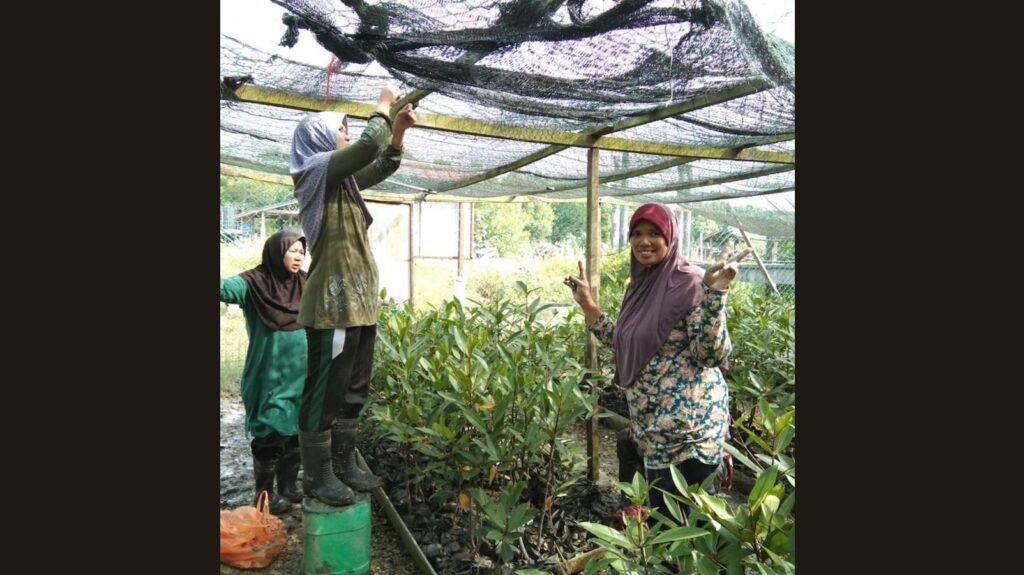
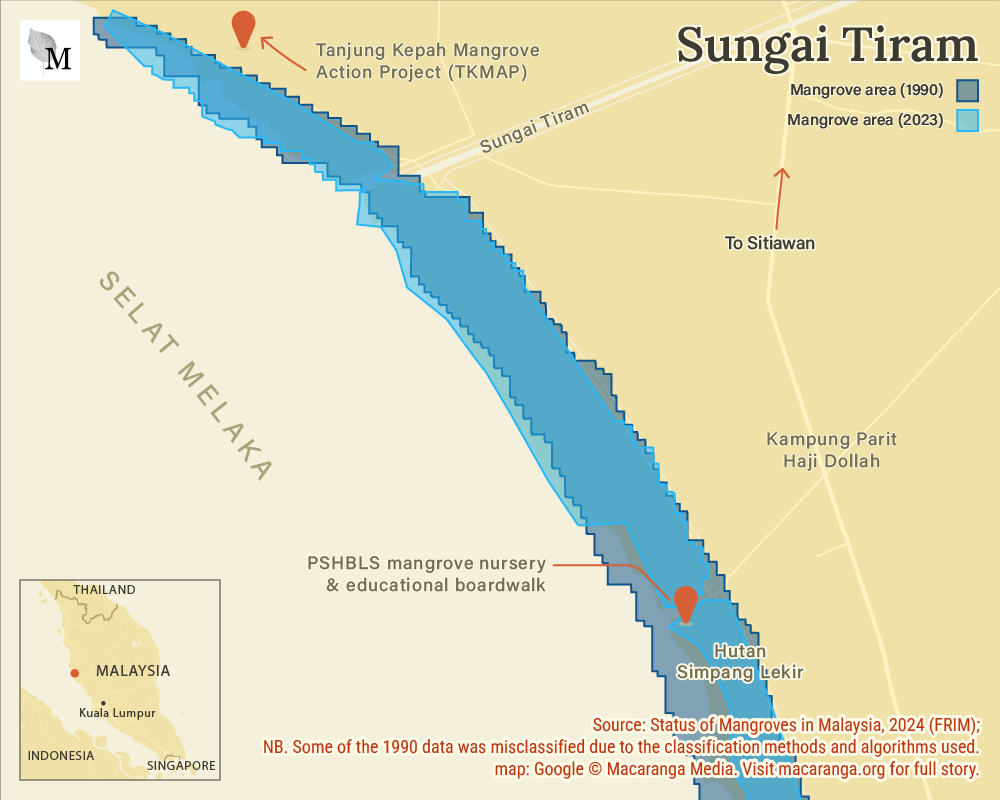
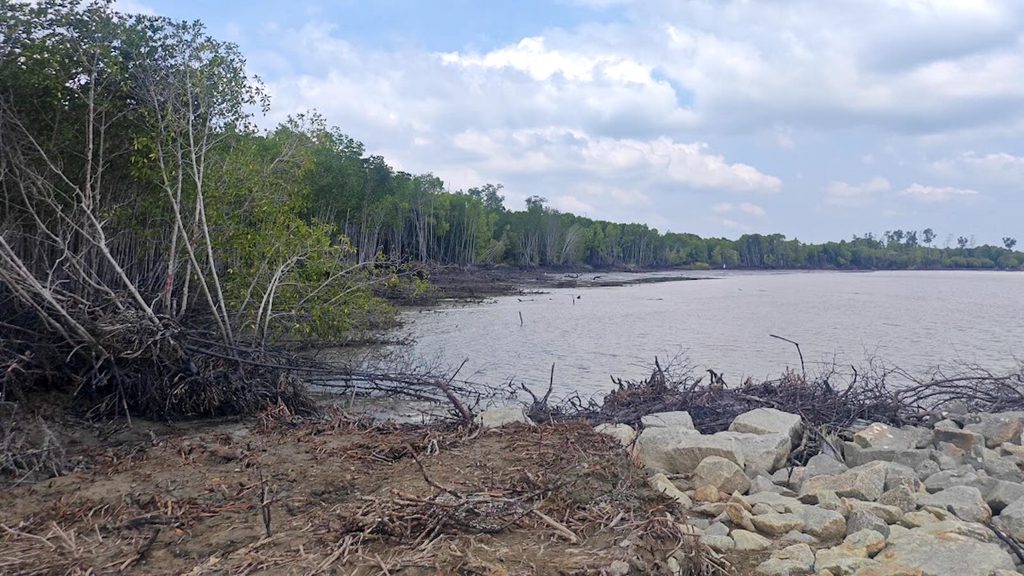
Twenty-one years ago, Sungai Tiram near Sitiawan, Perak, was losing its coast to erosion because its mangroves were logged to build aquaculture farms. In 2015, the local community decided to rehabilitate the ecosystem with support from NGO Global Environment Centre. Today, they say 60 ha of coastline is covered by mangroves.
The key to their success is monitoring, says Pertubuhan Sahabat Hutan Bakau Lekir Sitiawan (PSHBLS) chief A Hadi Kamil Ismail. The community lives where the replanting happens. This means monitoring happens on a regular basis. Besides, the community is made up mostly of fisherfolk, whose livelihoods depend on mangroves as nurseries for the fish and seafood they harvest to sell.
“Some of us were losing up to 300 m of land to the sea. On top of that there were illegal aquaculture farms,” says Hadi, a civil servant who is also with the Jawatankuasa Kemajuan dan Keselamatan Kampung (Village Development and Safety Committee). The farms were moreover releasing chemicals into the ecosystem.
Stipends for Locals
The community volunteer as planters and monitors. When corporations come in with funds to replant, Hadi says the volunteers receive stipends. Corporate income also goes into a community fund for welfare programmes and community events.
While it was difficult to get buy-in in the early years, a decade on, most kampung folks now truly believed in the cause, says Hadi.
For the mangrove replanting programme has become its own economic ecosystem. Besides running mangrove awareness events, the community sell seedlings and rent out equipment such as rubber boots, to replanting groups elsewhere. The pooled income pays stipends and grows their welfare fund.
“Looking at the coastline, I feel very gratified with what we have achieved,” says Hadi. “Now my challenge is to continue supporting the community. For everything we do, if we don’t take care of the community, nothing can be achieved.”.
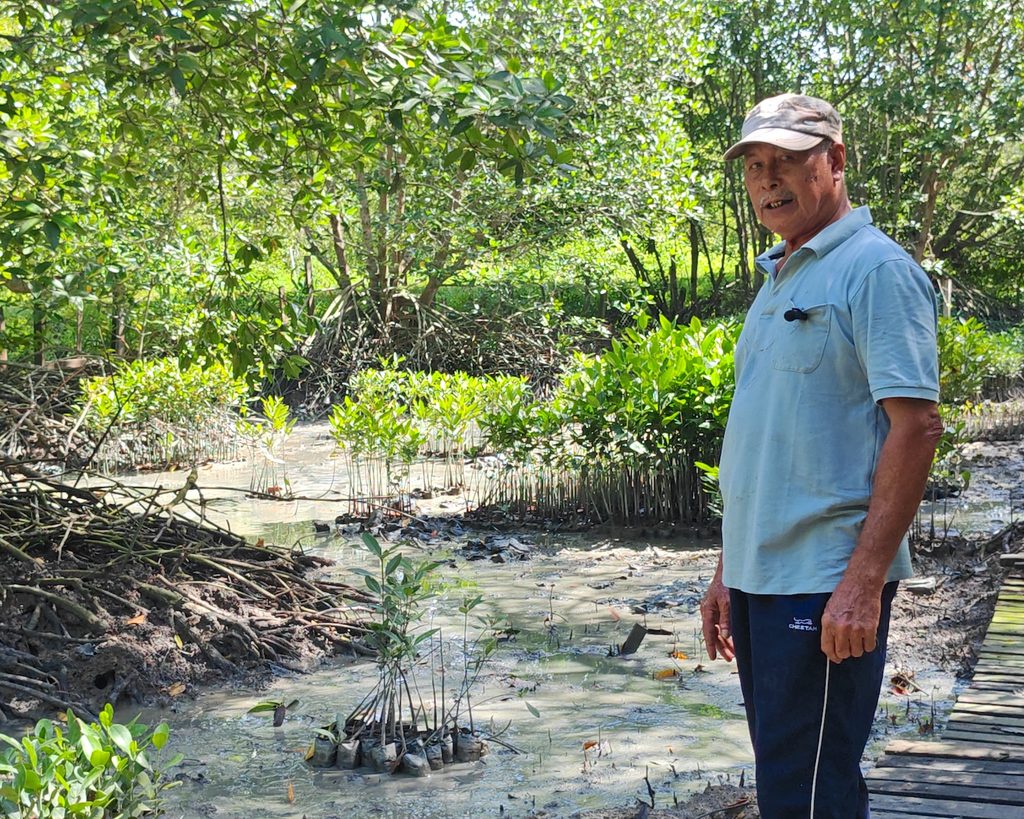
Despite his landscape architect background, Hadi, too, had to learn mangrove replanting from trial and error. A key lesson was when his group purchased seedlings from the Peninsula’s most established replanting outfit.
The Penang Inland Fisherman Welfare Association (PIFWA) has been replanting mangroves for decades and is a key seedling supplier. But the seedlings Hadi’s team had bought from them and planted in Lekir did not survive.
“We learned that the media matters,” says Hadi. “The saplings were grown in silty medium while here, the soil is more sandy. So even though the species was the same, the seedlings couldn’t adapt to the different media here.”

Unlike many organisations now active in mangrove replanting, PIFWA began in the late 1990s, even before the tsunami triggered the national replanting programme. Their trigger was the loss of fishing income when aquaculture practices degraded mangrove nurseries for fish, said PIFWA chairperson Ilias Shafie.
The former fisher manages PIFWA fulltime because mangroves are critical for the fishing community. “I needed to make sure there was something for my children if they decide to become fishermen. And true enough, 2 of them are fishermen now.”
Monetising Every Step
Since 2005, PIFWA has worked with US microchips manufacturer Intel to replant mangroves in Sungai Acheh, some 40 km from Intel’s plant on Penang island. For every hour that its employees spend on the activities, Intel donated USD10 (RM41) to PIFWA.
This helped establish PIFWA as one of the Peninsula’s most sought-after NGO partners for mangrove replanting. It has come to a point where most of their work involves mangrove rehabilitation rather than fishers’ welfare, Ilias said.
This is evident on the 1 km-long boardwalk from PIFWA’s mangrove education centre to its nursery on the river bank. Every couple of metres is a signboard boasting a replanting programme by one corporation or another.
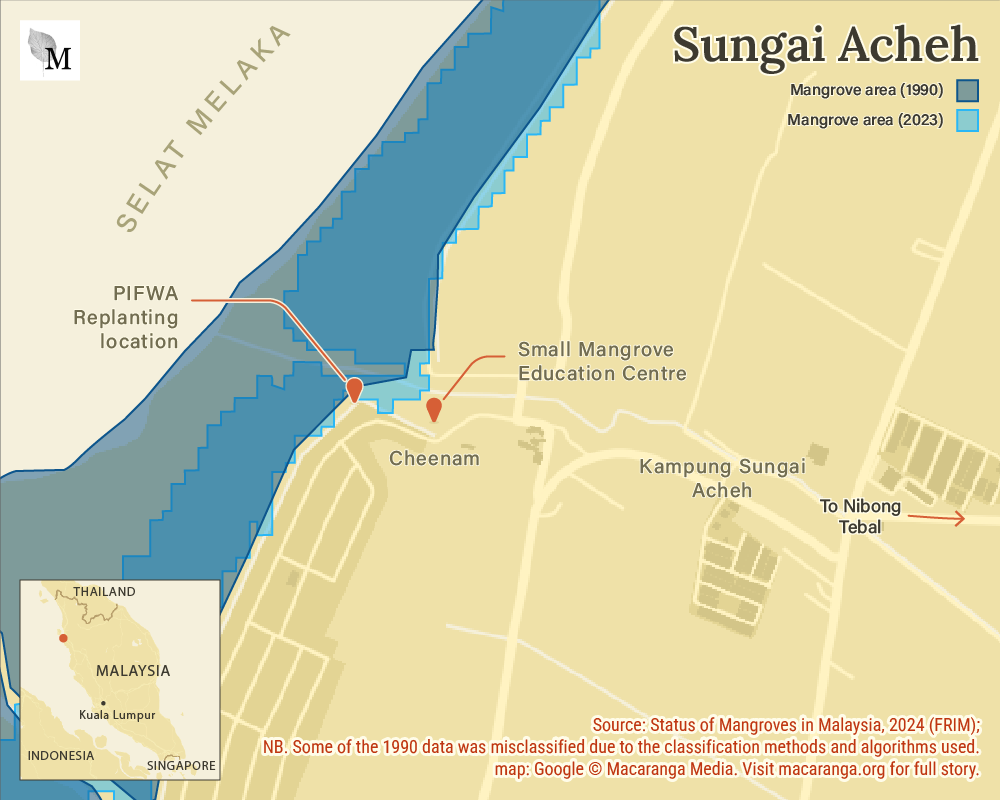
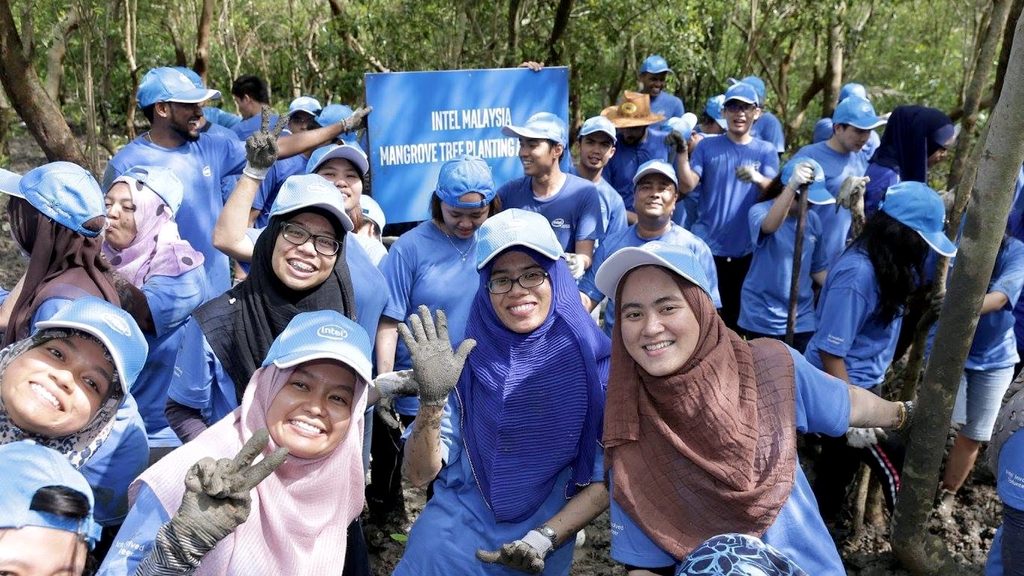
Since 1997, PIFWA estimates it has planted 400,000 seedlings, and by its own assessment, the survival rate is a remarkable 80 percent. However, there is no independent audit of this claim.
The only records are the photographs that the fisherfolk are tasked to take of the seedlings planted; these are to report to sponsors. PIFWA charges an additional 90 sen per seedling for this documentation, and these funds go directly to the fisherfolk who do the checking.
Ilias admits that the monitoring and auditing are not very robust, but it is the most he can offer at 90 sen per seedling. It seems good enough for most sponsors too, he says.
Intel has supported PIFWA to plant more than 17,500 seedlings thus far, but Intel’s CSR reports too, make no mention of how many of these have survived.
Lapses in Auditing
Auditing is critical when it comes to mangrove replanting and yet no public audit has been published since 2014. In that report, which was for the period 2005–2012, the National Audit Department gave the programme a thumbs-up despite the repeated failures at sites like Pantai Cahaya Negeri.
“The output and income targets of this programme have been met, while also benefitting targeted groups and ensuring sustainable rehabilitation of the coastal eco-system…Therefore, efforts to protect and rehabilitate (the ecosystem) will continue in the future, and this programme’s outcome will grow in significance to society and the environment,” the audit report reads.
Questions About Data
Scientists are critical of the data used for the audit. Data on national replanting efforts is recorded on the government-managed ePesisir site.
“What the database does not tell us is if each site undergoes frequent and consistent monitoring, and it does not report the findings of each monitoring exercise,” says Aldrie. “It is as if they are telling us that all planted seedlings harmlessly grow to become adult trees from the day they were planted.”
He adds that all sites should be audited quarterly “to verify the numbers planted and to monitor the growth and survival rates, success rates and how much forest areas have been gained (or actually lost) from the planting activities.”
For example, for Pantai Cahaya Negeri, Macaranga found only one replanting record on e-Pesisir, which could indicate poor record keeping of replanting programmes across the public and private sectors. The Forestry Department did not respond to Macaranga’s queries.
Helping Nature
The thing is, mangroves can grow very well by themselves if left alone, says Aldrie. He suggests that efforts go into enabling that instead of pouring millions into replanting.
“Natural regeneration is what I would recommend first and foremost. To allow this to happen, we must provide or assist in making that disturbed area conducive for natural regeneration to happen. This is where research is important, before any planting activity is being carried out,” he says.
One successful intervention, which led to accretion, is at Sungai Haji Dorani in Selangor, though it did not last. There, an experimental geotube project by the Department of Drainage and Irrigation managed to protect a patch which would have otherwise been engulfed by the sea.
A geotube is essentially a giant sausage made of durable textile and sand, that interrupts the organised motion of waves. In this way, it provides the conditions for nature to heal itself.
“Once you have the wave breaker, then only sedimentation can develop (for the mangroves to grow and regenerate),” says FRIM’s Hamdan. “Otherwise, the ocean will wash the sediments away, and that’s why you can’t plant. Or rather, you can plant today, but tomorrow, everything will vanish.”
Stabilising Conditions
Although only about a third of the replanted mangrove seedlings survived the first year, the protection by the geotubes created a mudflat that became a mangrove nursery, allowing the survivors to regenerate.
It seems such an obvious solution to implement but there is a major issue. “The cost of installing that one geotube was nearly RM1 million, you know?” Hamdan says.
Further, wave breakers can also alter wave patterns and impact adjacent shorelines. Scientists say more studies are required to understand the hydrological impact of the Kampung Sungai Dorani geotubes.
But in 2020, the research site was returned to the Selangor government. Since then, the mangroves which had flourished after the geotube project, have been chopped down, Hamdan says.
This has not deterred conservationists from trying such strategies, but using cheaper and potentially less invasive methods.
In Semarang, Indonesia, mangrove pole screens were used as wave breakers as long ago as 2016. One participant in that project was Malaysian ecologist Yong Huai Mei from international NGO Wetlands International (WI).
Inspired, she brought this technology to Pantai Tanjung Kepah, Perak, north of the Sungai Tiram replanting site (see map above).
Stakeholder Collaboration
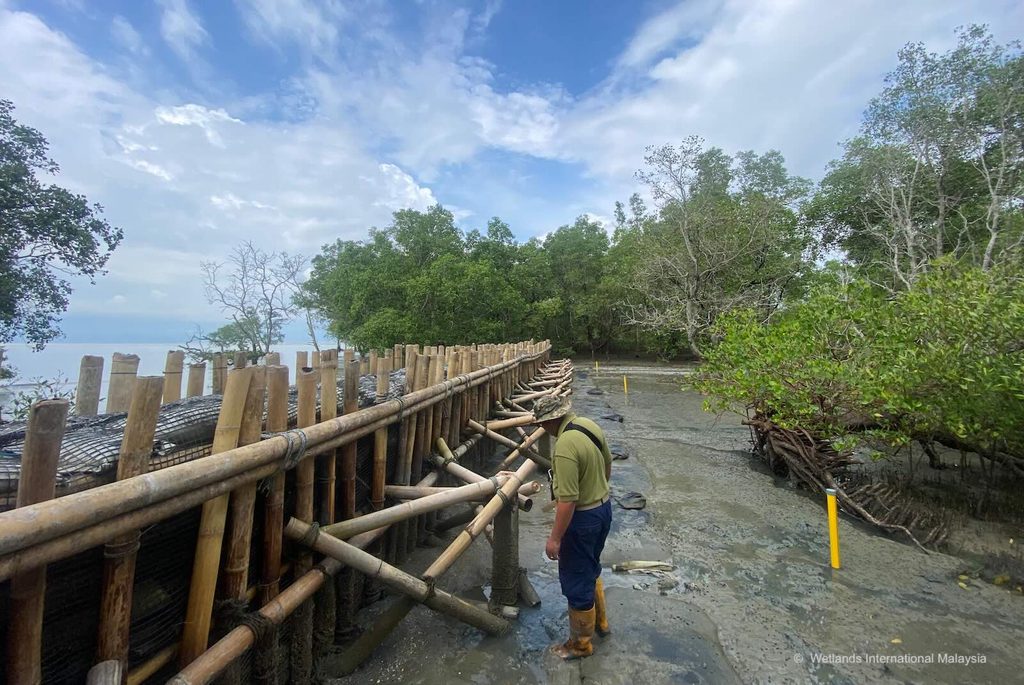
There WI Malaysia implemented the Tanjung Kepah Mangrove Action Project (TKMAP) in November 2024 with Universiti Teknologi Petronas, the local community and various government agencies. Instead of mangrove wood, they constructed a permeable bamboo wave screen to slow down the velocity of the waves and protect the seedlings on the beach.
Before the intervention, Yong says several rounds of replanting there had seen most, if not all the seedlings washed away.
“It’s very sayang (such a shame). Yes, one seedling cost RM10 (USD 2.45) only but there are other costs of logistics and organisation, not including the efforts and energy put into the replanting programme.”
The bamboo wave screen still cost RM200,000 (USD 48,938), mostly on research and development by the university’s engineering researchers. The project was funded by Yayasan Hasanah.
Unlike the geotubes in Sungai Haji Dorani, this wave screen mimics mangrove trees, says Azwani Sahibu, WI’s technical officer for the project.

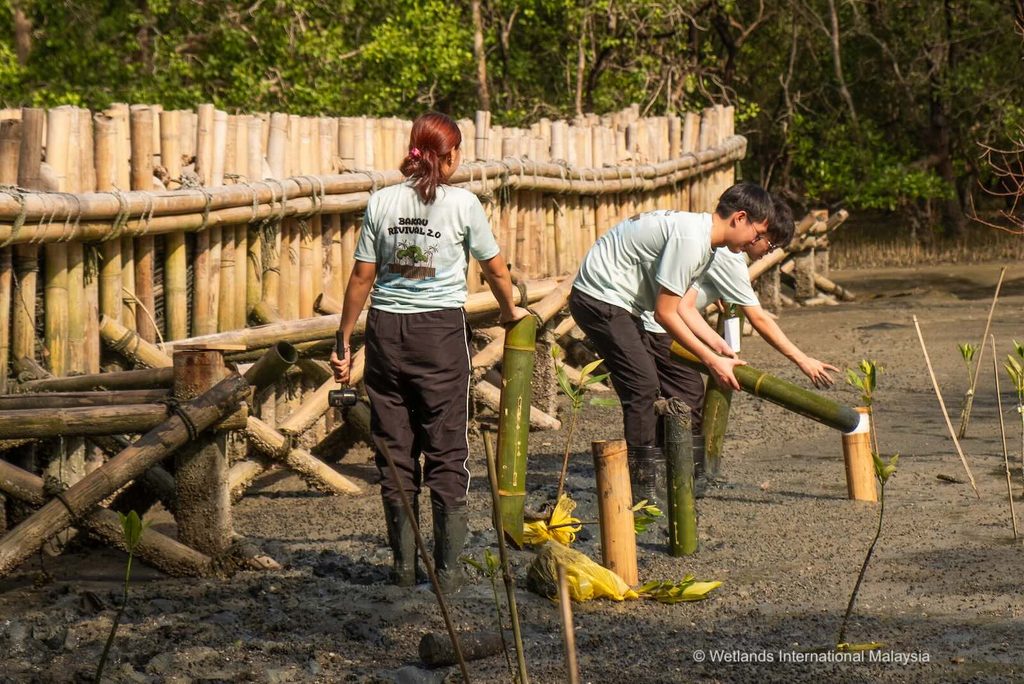
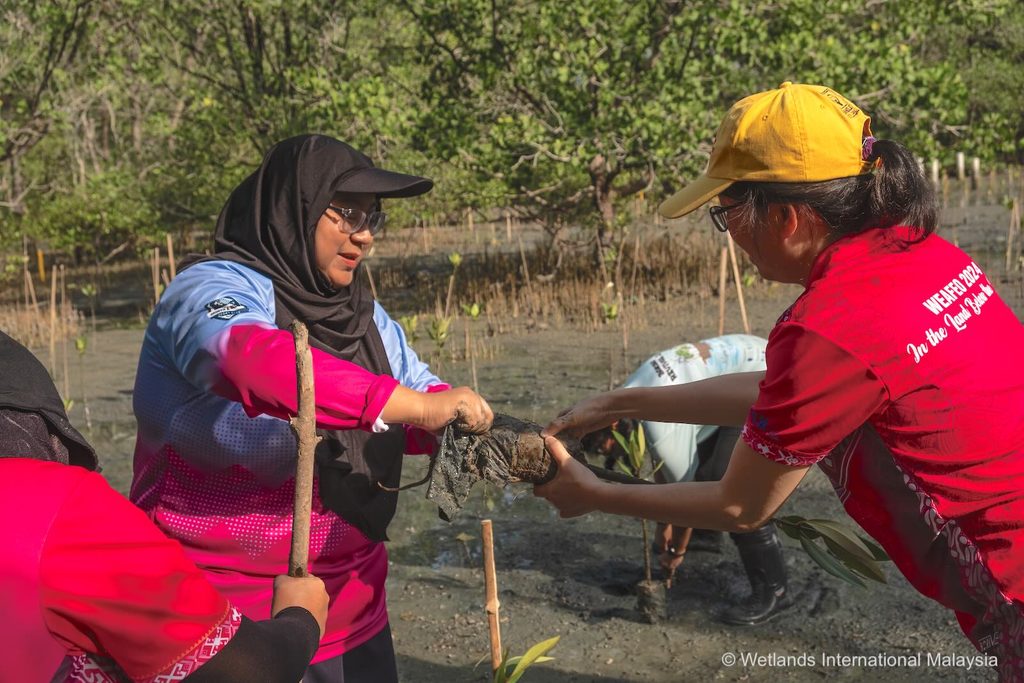
Since the screen was erected, she says, the team checked the replanted seedlings and saw that the survival rate had gone up to 60 percent. This is despite the unusual storm activity last November, where the wave height exceeded the wave screen.
Encouraged by the preliminary success, the team is now looking into new funding to continue the project and expand it to other sections of the coastline.
To ensure proper mangrove rehabilitation, including long-term monitoring, funding is important. Enter blue carbon credits. Generating credits from new mangroves has the potential to raise rehabilitation funds from trading in the carbon market or to offset carbon produced in manufacturing or other industries.
Blue carbon is the term used for the carbon dioxide that is taken in from the air by coastal ecosystems like mangroves and stored in soils. It is of interest for carbon credits because mangroves are 5 times more effective at sequestering carbon than inland rainforests.
Already, this is in the sights of the Malaysian Forest Fund. The sustainable forestry government body is working on pilot projects to determine how to correctly measure carbon sequestration by mangrove forests, for the purpose of issuing carbon credits for trading in the open market.
But technology to encourage natural mangrove regeneration such as wave breakers are not on their own eligible for carbon credit offsets, said MFF’s senior director Dr Faisal Mohd Noor, who is overseeing the pilot projects. One of them is a project to rehabilitate a former bauxite mining site with mangroves.
Faisal said that carbon credits can only be issued after mangrove seedlings become plants, that eventually become a stable forest. Then only can the carbon sequestered be measured and converted into credits for trading or offsetting. Credits cannot simply be issued after replanting, he said.
“If you can prove the additionality, that the mangroves grew, and grew bigger after the barrier, then you can measure that (for carbon credits).” Additionality is a measure of how much carbon is sequestered due to a carbon credit project, compared to if nothing were done.
Wetlands International’s Yong Hau Mei says this could easily take an investment of 30–50 years. “Any CEO or CFO of a company may think, ‘30 years? I’ll probably no longer be with this company then. But right now, I have to report something to my stakeholders or shareholders.’.”
Increasingly, through the efforts of ecologists like Yong, Azwanie, Aldrie and Hamdan, more groups involved in mangrove replanting nationwide are looking at better ways to channel community and corporate enthusiasm.
Back in Negeri Sembilan, the local MNS branch now says no to replanting on Pantai Cahaya Negeri. They have also engaged experts to determine if other proposed areas are suitable before any replanting effort is carried out.
And instead of mangrove planting, the committee has steered interest towards activities such as mangrove and beach clean-ups, which support the existing mangrove ecosystems. Not all sponsors are agreeable to these alternatives, though, and this could affect the NGO’s income.
“Someone comes to you and says I want to plant trees because planting trees is very sexy and exciting, and it looks like you’re really doing something,” says MNS Negeri Sembilan-Melaka science advisor Dr. James Willis.
“As an organisation you make a certain amount, some thousands of ringgit, from this project. But this has to be fought against. Look at what mangroves really need and how to promote their growth.”
- The figures for RM71 mil and 7.9 million seedlings came from 2 sources: A 2025 Bernama article carried by Berita Harian where it was stated that more than RM71 mil was allocated for the replanting programme for 2006–2025 but did not list the number of seedlings; and a 2024 Sinar Harian article which stated that 7.95 mil plants had been planted between 2007–2025.
- The “conservative” estimate of 50% survival rate was told to Macaranga reporters by several sources, including Meor Razak and A Aldrie Ahmad; this research puts 10–20% survival rates in Southeast Asia as “common” when there is limited natural regeneration.
- Hamdan, O. (2024). Status of Mangrove in Malaysia.
- Program Penanaman Pokok Bakau dan Spesies-Spesies Yang Sesuai Di Pesisiran Pantai Negara. 2023. Seksyen Pemuliharaan Pesisiran Pantai, Jabatan Perhutanan Malaysia.
- More soon
This story involved field reporting almost spanning the length of western Peninsular Malaysia from the northern states of Perak and Penang to the beaches of Negeri Sembilan, then further down to the coast of Johor, metres from the maritime border with Singapore.
The reporting involved 2 field trips from the reporter’s home base of Kuala Lumpur, documenting mangrove replanting sites to observe best and less-than-great practices on the ground.
On these trips, interviews were conducted with villagers who have spearheaded mangrove replanting sites and civil society organisations working alongside them.
Interviews were also conducted with scientists and experts in mangrove rehabilitation, the role of mangroves in carbon sequestration and how federal allocation is distributed to support the mangrove replanting.
Besides interviews, the reporter consulted scientific journal articles on mangrove replanting and blue carbon.
To understand how the national mangrove replanting programme government works and its impact, she reviewed the official audit for the programme as well as 20 years of annual reports and meeting minutes, and conducted data analysis.
She also pored over satellite imagery to review how mangrove coverage changed over time in areas where replanting was conducted. She compared this with the data in the ePesisir database managed by the Forestry Department, and what she saw on the ground.
The journalist used the following models and tools to produce these reports:
- Gemini Notebook to produce audio overviews of the materials at first instance to gain an understanding of the topic, before delving into the reports.
- Pinpoint for extracting data from PDF reports or images, as well as for transcription
- TurboScribe for transcription of longer interviews
- Gemini to draft the infographic of how the Seletar cultivate mussels