
Cheaper solar power is increasingly attractive for the middle class in light of rising electricity bills. And bills will keep rising due to Malaysia’s fossil fuel dependence to generate electricity. Yet many households hesitate switching to solar because of the high upfront installation cost. They also distrust the reliability of solar tech. The government and industry are finding ways to make solar more affordable, reliable, and sustainable.
In Simpang Ampat, Penang, Sau Soon Sian, 43, and Lim Shu Yee, 31, bought an electric car in 2024 because they like to try new things. Sau is a technical artist, and Lim, a multimedia designer.
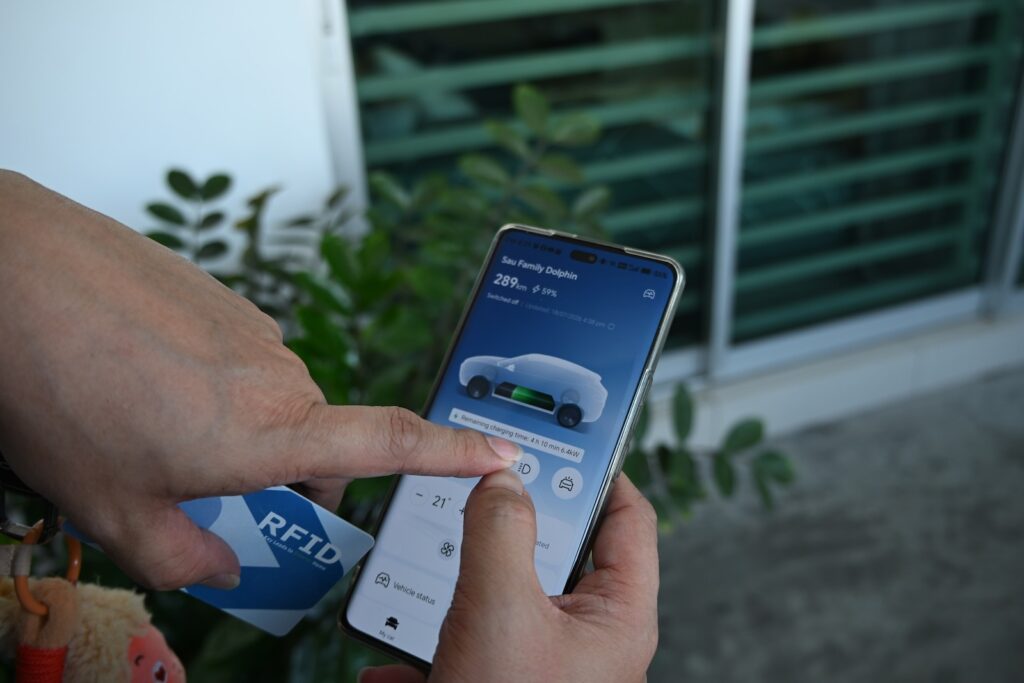
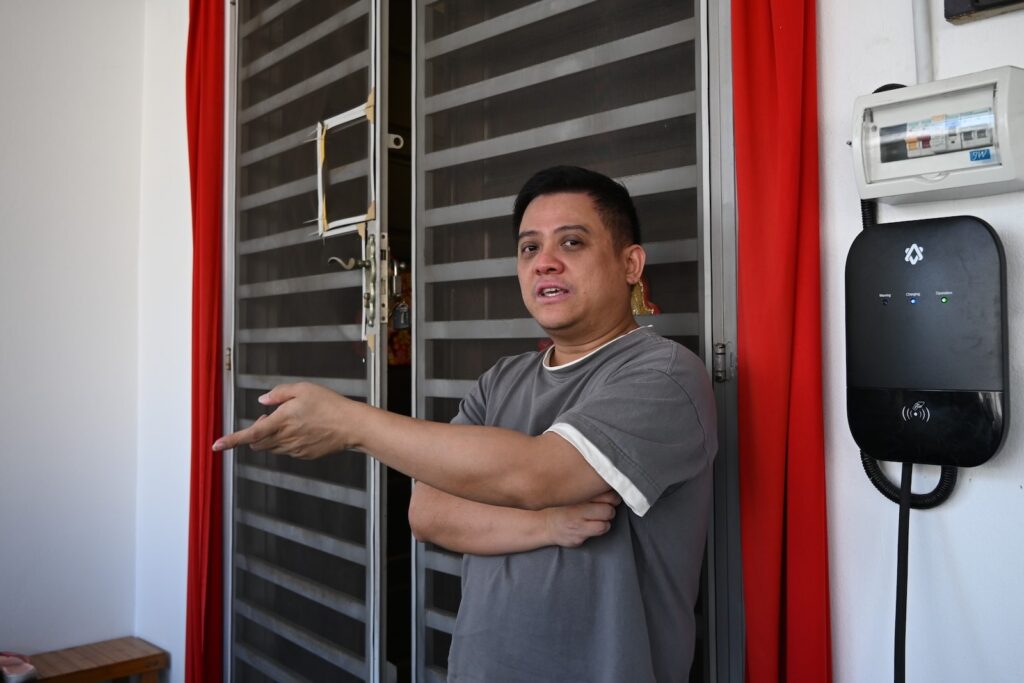
The latter drives the car to work and ferry their five-year-old daughter to-and-from daycare and classes. But charging the car added about RM100 (USD 24) to the family’s monthly electricity bill of RM220–250 (USD 54-62). To reduce this cost, they got a home solar system six months after buying their car.
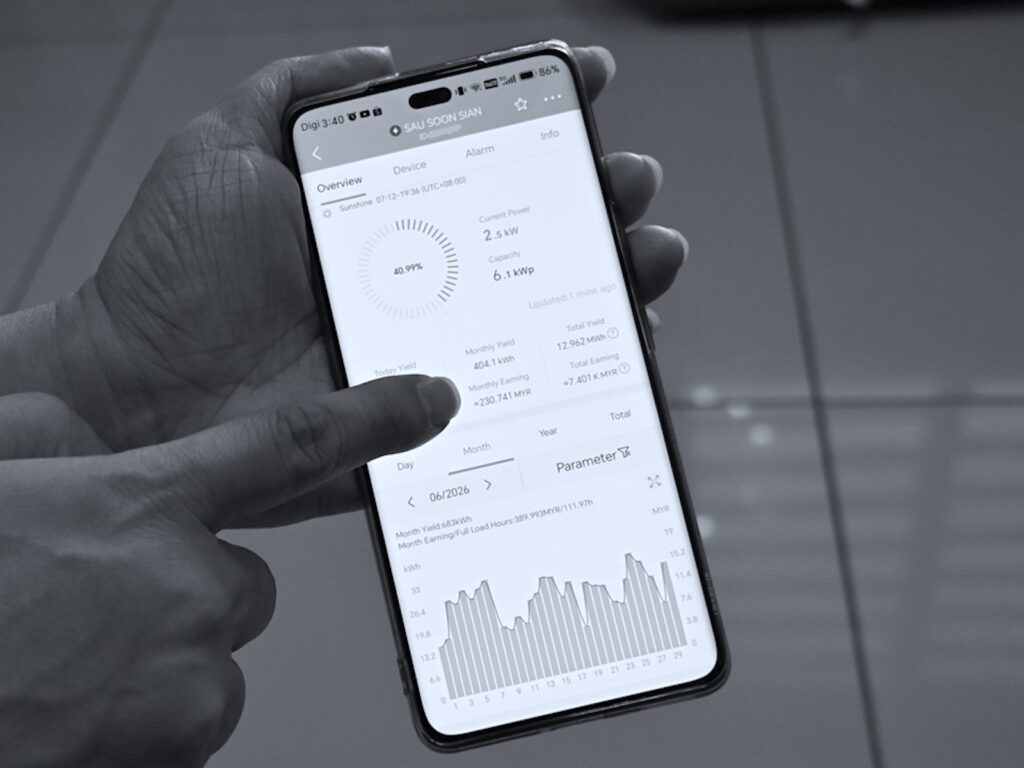
The 6.1kWp solar system cost RM19,000 (USD 4700) to install, which was a hefty commitment. To pay for this, they borrowed from their family, rather than get a bank loan. They then applied for and got a RM4,000 (USD 990) cash rebate from the government’s Solar for Rakyat Incentive Scheme (SolaRIS).
They expect that what they save in electricity bills will cover their loan in less than six years. SolaRIS ended in April last year and in June this year, was replaced by a rebate scheme for TNB’s Solar Accelerated Transition Action Programme (Solar ATAP), which feeds excess electricity back to the grid.
Why Have Electricity Prices Risen Then?
On July 1 last year, Malaysia implemented a new electric tariff structure. It includes a monthly Automatic Fuel Adjustment (AFA) rate. The AFA rate depends on the forecast of the global fuel prices and currency exchange rates. It is applicable to consumers who consume more than 600 kWh a month (an electricity bill of about RM216 i.e. USD 54). This group comprises many in the middle class.
The AFA initially comprised rebates but this changed 3 months after the US war on Iran throttled fossil fuel shipments through the Straits of Hormuz, skyrocketing fossil fuel prices. Since May this year, these households have had to pay an AFA surcharge. As the war prolongs, this surcharge is anticipated to increase.
In Seremban, the family of teacher Rosazlina Binti Mohd, 42, and police officer Mohd Shahfizal Bin Ismail, 41, have tried different ways to save on their electricity bill. For one, the whole family of five tried sleeping together in the living room so that they only needed to run one air conditioner. They also changed their clothes dryer to a more energy-efficient one.

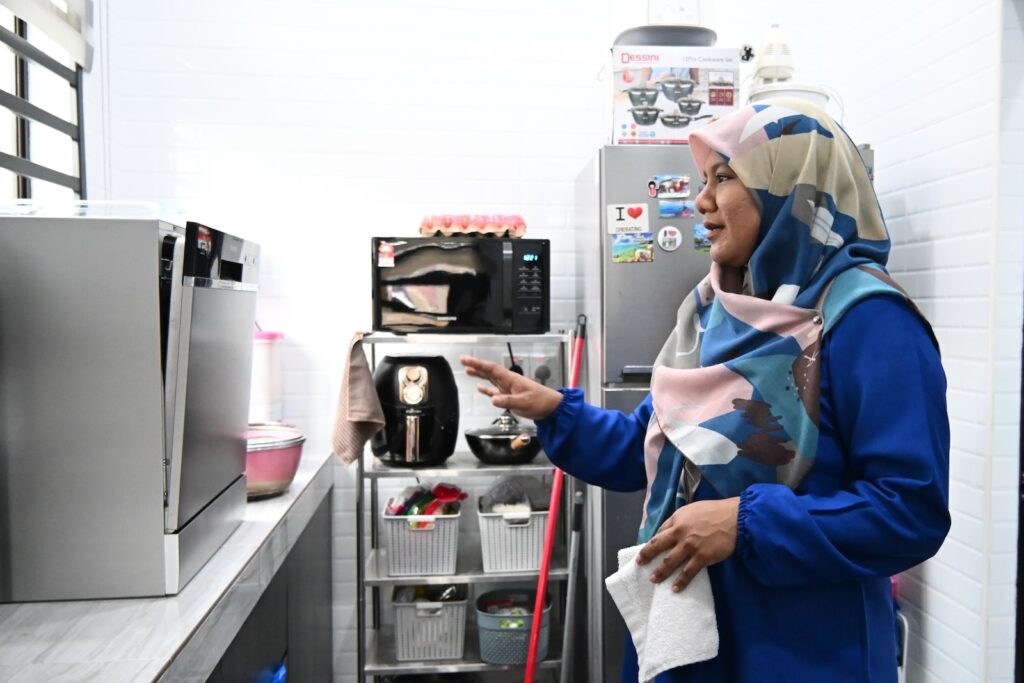

Yet, their electric bill scarcely budged. And the children needed their own space. So, they decided to look at a rooftop solar system.
For six months, Shahfizal researched different solar installer companies. All the companies suggested that he purchase the system using a credit card and then arrange for installments with the bank. But he said the repayment period of five years made the monthly repayments too high.
Then he found a company that offered a rent-to-own scheme that ran over 10 years.
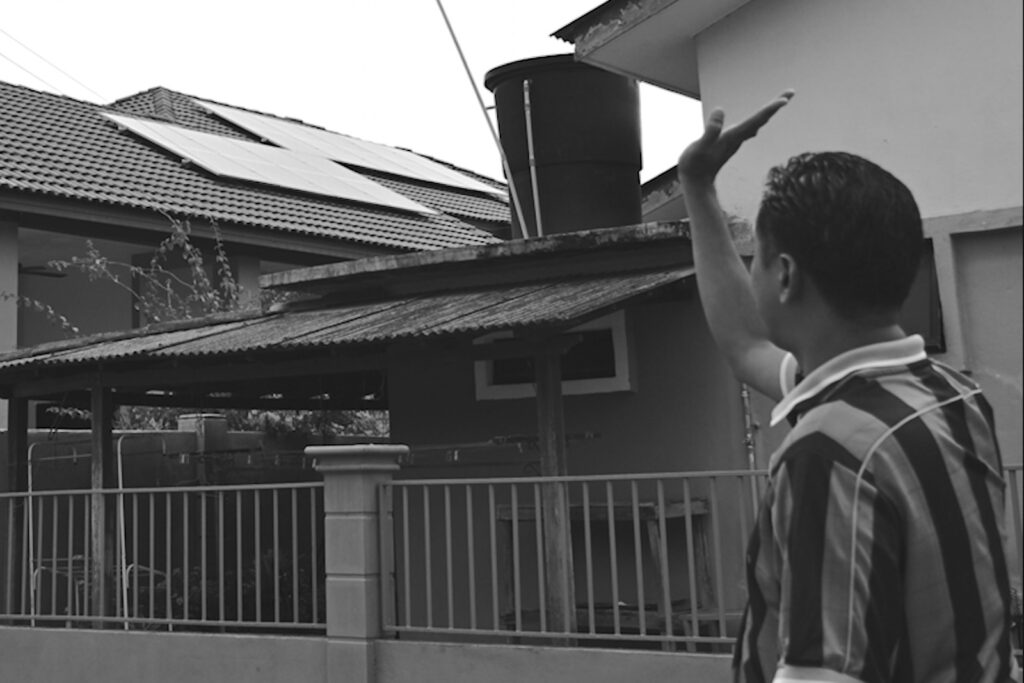
Nowadays, Rosazlina and Shahfizal pay a fixed rental fee of RM333 (USD 82) a month to the solar company and less than RM40 (USD 10) to Tenaga Nasional Berhad (TNB) for excess electricity above the solar supply. This is a savings of at least 25 percent on TNB bills.
Shahfizal said their TNB bills only increased during Ramadhan and school holidays, when the family spent more time at home, thus using air conditioners more. They are also considering further electrifying their household, such as their cooking stove and car.
Solar system installer company GetSolar’s founder Bolong Chew said there is a lack of trust and awareness about solar systems. So, many interested households would not pay a big upfront lump sum for the system.
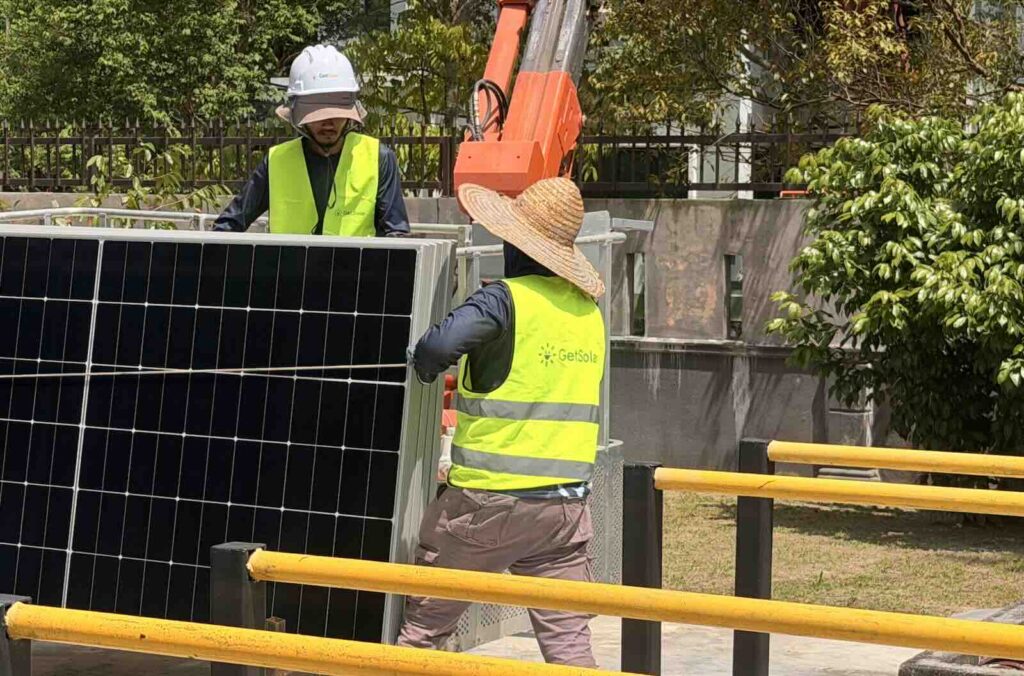
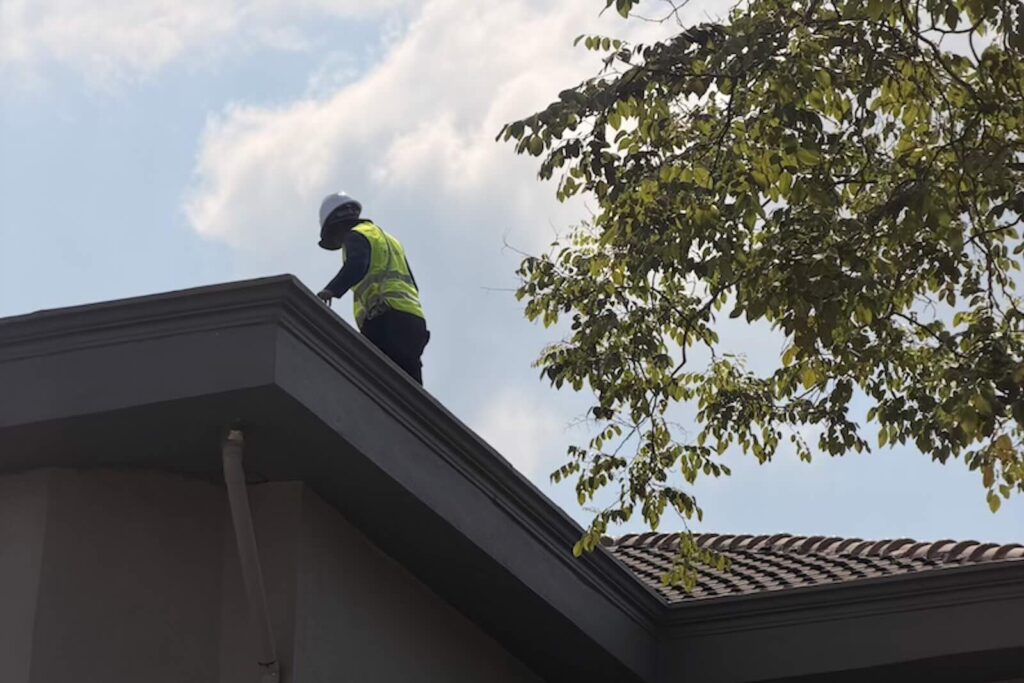
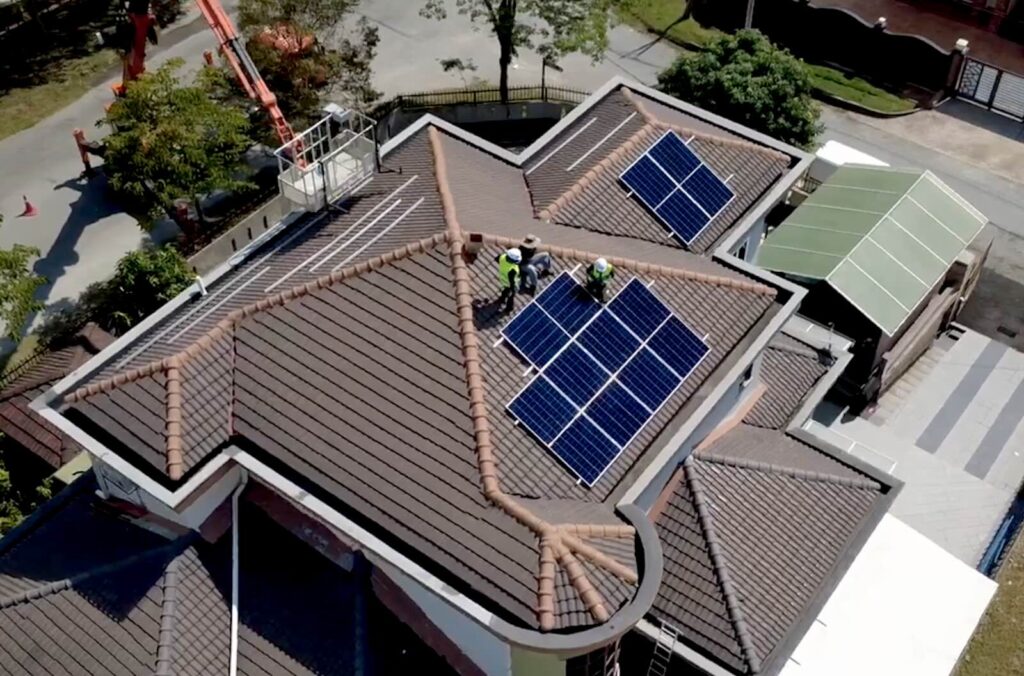
To lower the entry barrier, they decided to offer a rent-to-own scheme.
Since the energy crisis started, demand for solar has increased. His company received four times more inquiries about solar system installation in April and May than previous months.
To get residential households to adopt solar power requires incentives such as turning rooftop solar systems into income-generating systems, says associate professor Dr Lim Boon Han, whose research focus is on solar energy, optics, and electrical engineering. The middle class will jump on board if they can export their electricity to the grid at a profitable price.
But there is a catch in terms of supply.
Still, from a business perspective, GetSolar’s Chew is not worried since installers like him plan ahead. But for consumers, he said, a globalised supply chain would obviously give them access to the most advanced technology at the lowest cost. And on a national level, reducing reliance on imports was important to drive energy independence.
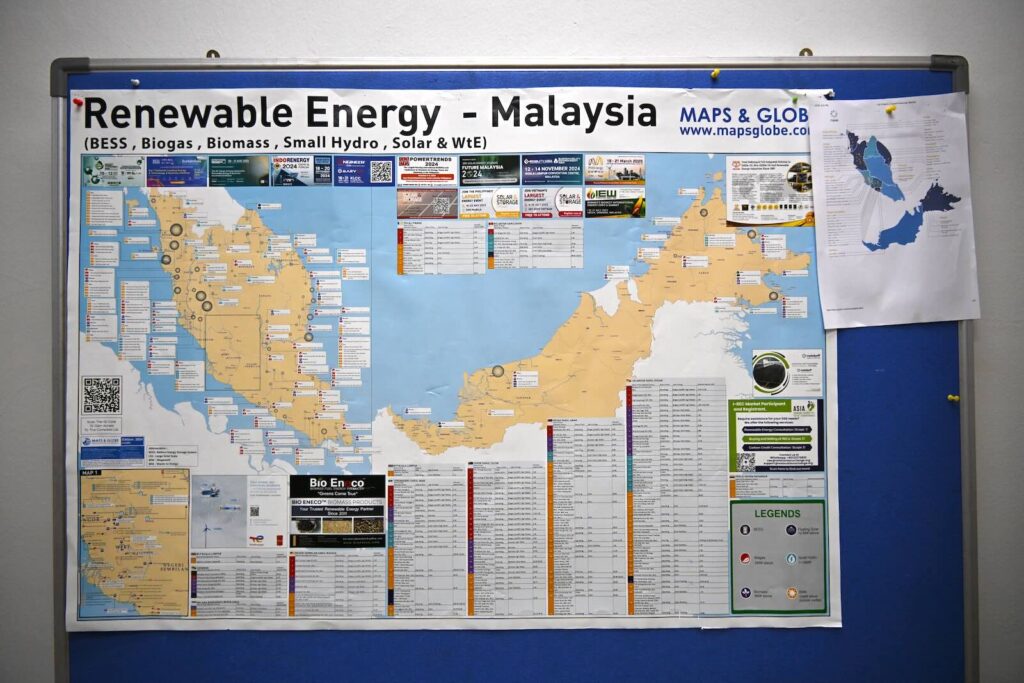
Under the National Energy Transition Roadmap (NETR), Malaysia aims to reach 70 percent of its electricity generation capacity from renewable sources by 2050. Solar is expected to make up 60 percent of that, which translates to 164 million solar panels, as estimated by Garasi Bernama.
What Happens to Solar Panels at the End of Their Lifetime?
For large solar producers, decommissioned panels usually end up in landfills, says Austin Kuok, Zenviro Solar Panel Recycling Sdn Bhd’s general manager. Scrap collectors might collect the aluminum frames for recycling, but leave the glass and photovoltaic sheets behind.
Panels are not listed as scheduled waste although they contain toxic materials such as lead and nickel. In landfills, they are released into the land or water.
Zenviro started recycling decommissioned solar panels in 2024. In their factory, workers dismantle solar panel frames, and separate and grind the glass and the photovoltaic sheets into recyclables. These are sold to factories, for example to manufacture glass and extract metals such as copper and silver.
Currently, managing solar panel waste is complicated; what would help are clear regulations and awareness of the importance of proper disposal, said Kuok.
Back in Seremban, Rosazlina and Shahfizal pointed out that installing a solar system is a long-term plan. Rosazlina said when their children leave home in 10 years, they would pay even less for electricity. Shahfizal added that he wished more people understood that solar power was not only for the rich.
Lim does add a word of caution to the switch to renewables to save money. “We must say that installing more [residential] solar doesn’t equal [mitigating] climate change, because there is a rebound effect.” The solar rebound effect is when consumers start caring less about saving electricity and start using more electricity because solar systems reduce their electricity bills.
More emphasis should be on saving energy, he says: avoid wasting electricity and switch to energy-efficient appliances.
On a national scale, he adds, it is not household solar but utility-scale solar – large solar plants that feed into the electricity grid – that will help make green energy accessible and affordable to all levels of society.