
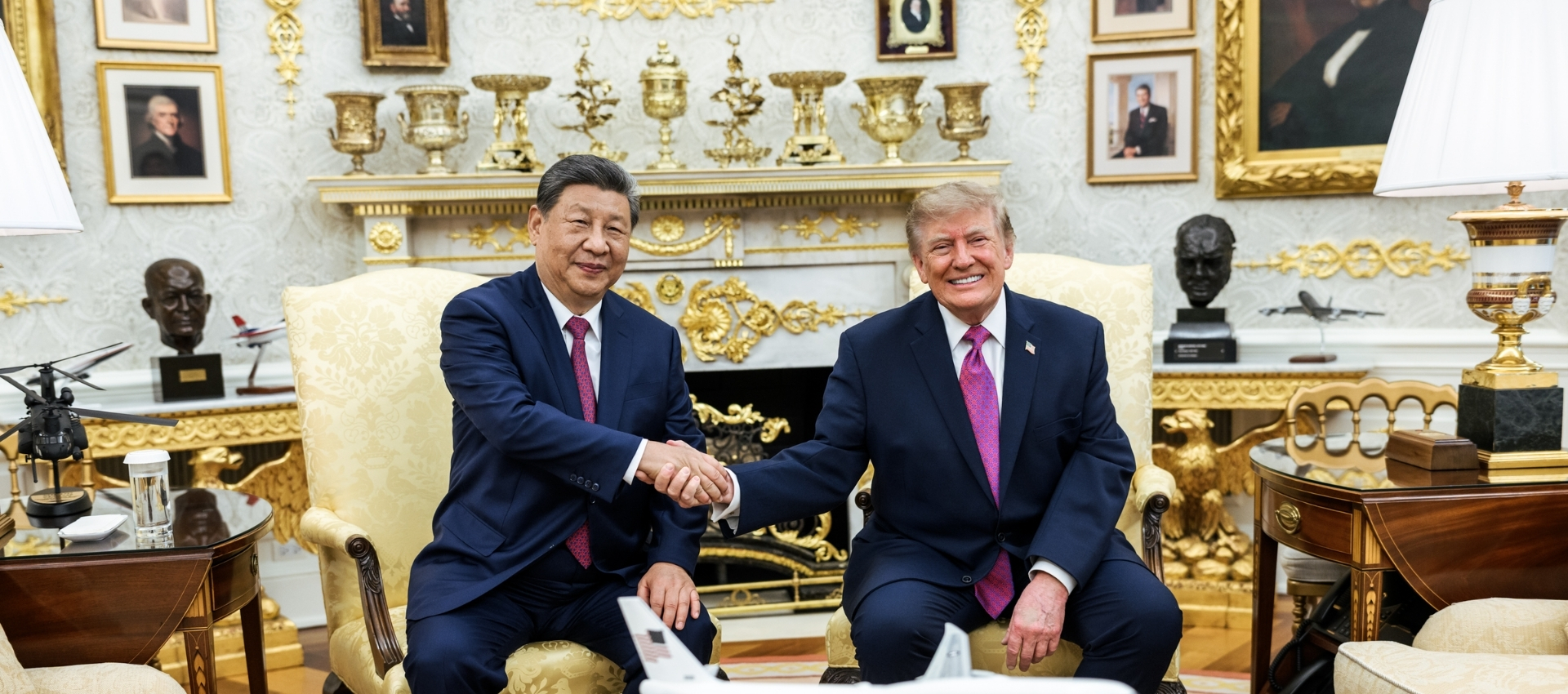
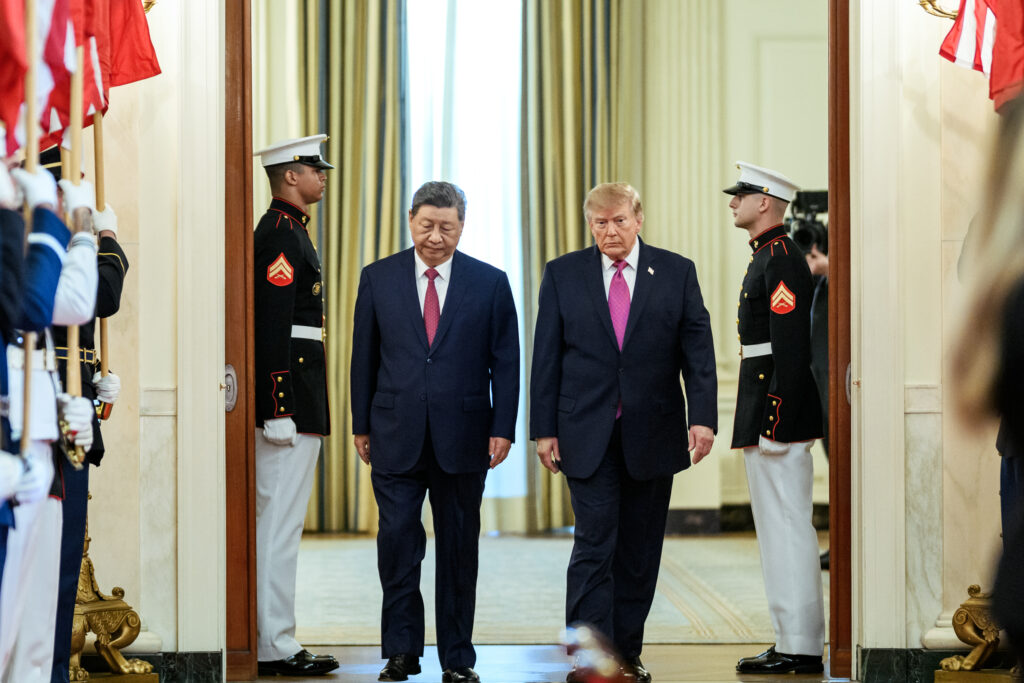
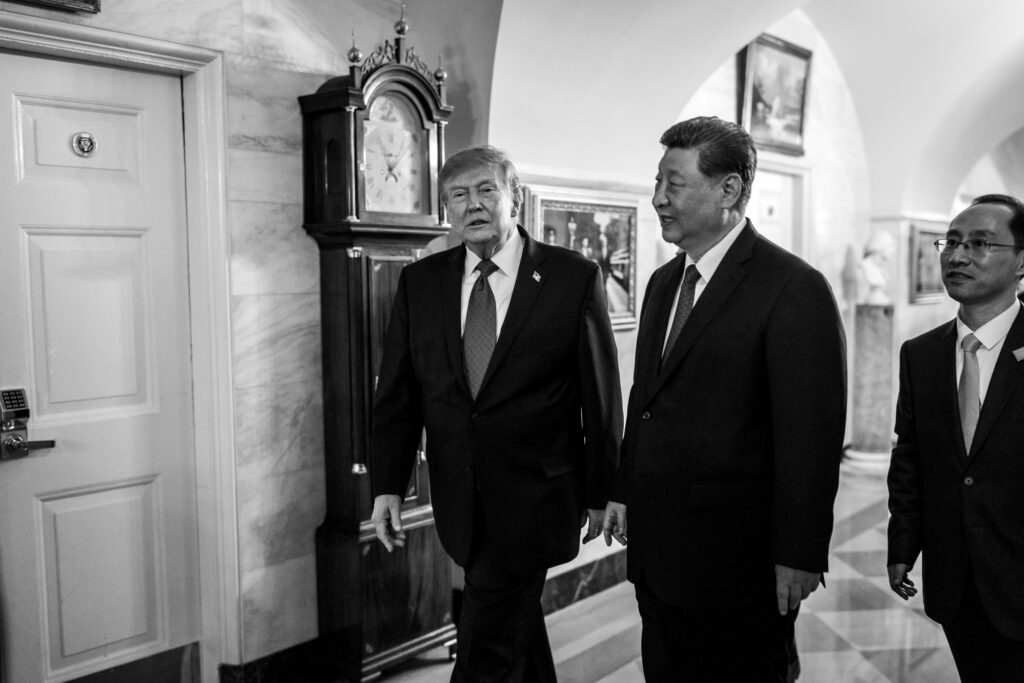
The China-US relationship has always been critically important to Southeast Asia, which is why most stakeholders in the latter were relieved that the reciprocal visit of Chinese President Xi Jinping to Washington DC in September 2026 did not just take place, but did so uneventfully.
Hosted by US President Donald Trump, the issues covered by both leaders ranged from sensitivities over Taiwan, Iran, and Ukraine, to interests in artificial intelligence and critical economic dependencies. They agreed to extend their existing trade truce for another two months and committed themselves to continued high-level engagements. Readouts from China described the outcome as a step towards “strategic stability” while American accounts were more cautious, emphasising that the difficult issues had simply been deferred.
This may be enough for the wider Asian region. While the region prefers a cordial, cooperative relationship between Washington and Beijing, what it really needs is for both powers to manage their differences without competition spilling into conflict. Most of the region’s economies and security relationships are intertwined with both China and the US, which means stability has economic, strategic, and security value.
This is a different China-US relationship from the one Southeast Asia knew a decade ago. While strategic rivalry was also present then, both powers remained economically interdependent on each other, and the risk of economic and technological bifurcation remained a possibility that could be averted by a shared adherence of global norms and rules.
The trade war that began in 2018 under the first Trump administration expanded into disputes over technology, semiconductors, investment, supply chains, artificial intelligence, and critical minerals. The Joe Biden administration retained and expanded many restrictions directed at China while Beijing retaliated via export controls and market restrictions of its own. The terms of the global norms and rules itself are now being contested between the two.
The implications for Southeast Asia and the wider Asia Pacific are profound. As supply chains are being diversified, technology ecosystems become more politically sensitive, and countries increasingly must consider the security implications of economic decisions. This creates both opportunities and vulnerabilities. While some economies have benefited from companies diversifying their manufacturing bases and supply chains, the line between a globalised economy — which the region has largely benefited from — and fragmentation into competing technological and economic blocs fray even further.
For Southeast Asia, there is little doubt that China has become increasingly important to the economy and strategic landscape, aided by its proximity, vast trade ties, and expanding diplomatic and economic engagement. This year marks the fifth anniversary of the ASEAN-China Comprehensive Strategic Partnership and the commencement of its 2026–2030 Plan of Action.
Yet, American influence remains considerable, despite its more transactionalist engagements and military misadventures in the Middle East. The US retains a significant regional security presence and is a major economic, technological and investment partner. ASEAN reaffirmed its Comprehensive Strategic Partnership with Washington this year and continues to regard the relationship as strategically important.
The challenge for Southeast Asia and the wider region is the same as it always was – managing two powerful, competing relationships simultaneously — but in a more restrictive strategic environment. That is where ASEAN’s much-discussed “centrality” and its resistance to choosing sides matters. The objective is not to balance China with America in a conventional alliance but instead to preserve strategic autonomy by keeping the major powers engaged while strengthening ASEAN-led institutions and ensuring the regional architectures it depends on remain inclusive and rules based. Dialogue partners such as Japan, Australia, India, and the EU, will become critical partners to this end.
This approach has limitations of course.
ASEAN’s consensus-based decision-making has and will hinder collective responses when its 11 member states’ interests diverge, especially on sensitive trade and security issues. The inability of ASEAN to find a common stand on the South China Sea dispute, its immediate divided response to the trade tariffs from the US and its division on how to approach Myanmar’s polycrisis are prime, current examples. As the China-US rivalry intensifies, Southeast Asia may find it increasingly difficult to remain above the competition.
Yet the region has little choice if it wants to safeguard its interests and autonomy. It will need to find a way to effectively manage a more influential and powerful China while keeping in mind that America is far from being written off and is unlikely to cede its influence in Asia.
Both powers will continue to challenge each other for the foreseeable future, and Southeast Asian stakeholders need to ensure that they are both resilient and positioned to not just weather the rivalry but thrive off it.