
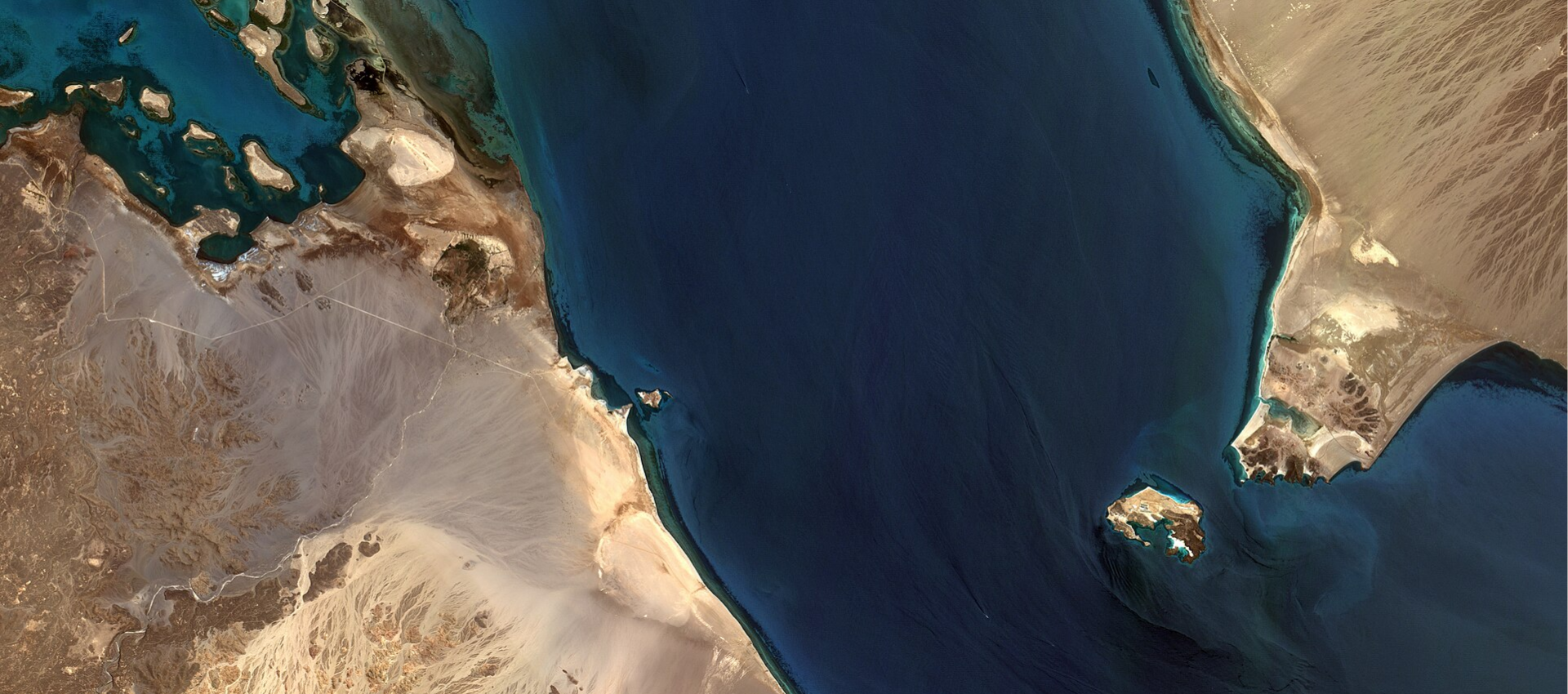
The Houthis in Yemen have put the world on notice.
Their takeover of Red Sea islands is no minor development in Yemen’s civil war. It is a bold gambit for recognition as Yemen’s ruling entity and crucially a big help to their Iranian allies in strengthening the latter’s position around a key maritime route in West Asia. The island takeover may pose the gravest recent threat yet to international trade.
A drone stopped en route to Mecca on September 16, of as-yet unclear origin, raised the stakes. After the Houthis hit Riyadh airport on September 19, the Saudis proposed a two-week ceasefire through Oman, but the Houthis are yet to accept it.
What Do the Houthis Seek?
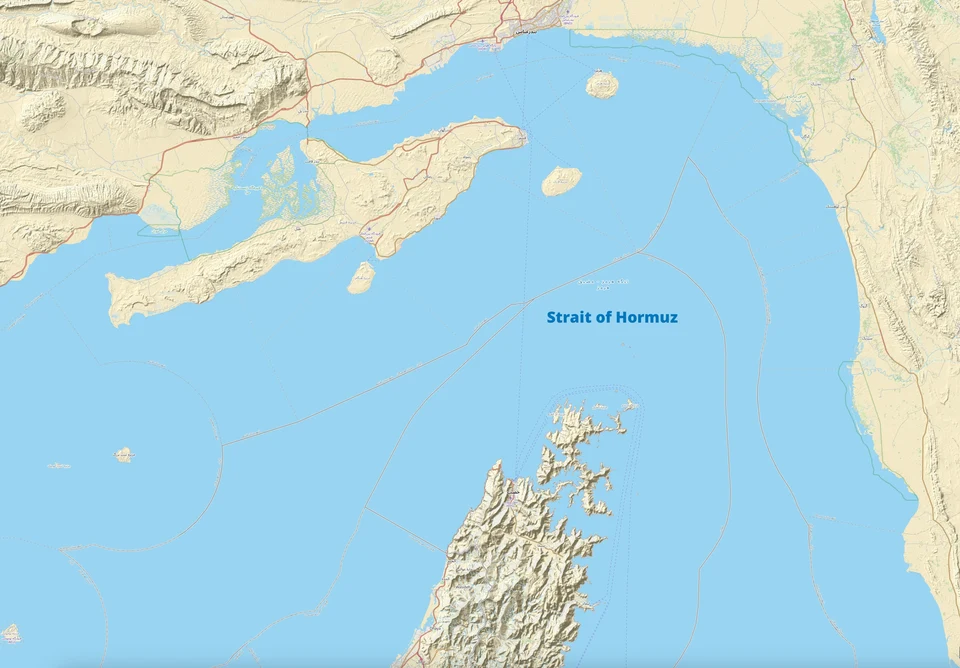
First, the Houthis appear intent on supporting Iran’s chokehold on the Strait of Hormuz by denying oil from the Persian Gulf an alternative route, hence the targeted attack on the East-West pipeline (the first since 2019) that the Saudis had used to export Gulf oil via Yanbu on the Red Sea.
Second, they want to keep oil prices high, benefiting Iran and hurting Republicans in the United States mid-term elections, and potentially weakening US President Donald Trump’s ability to continue the war on Iran.
Third, their focus on Saudi cities such as Abha, Najran, and Jazan suggests they intend to create “strategic depth” along Saudi Arabia’s Red Sea coast bordering Yemen.
Fourth is the Houthi’s determination to control the Bab el-Mandeb and by extension the Red Sea. Unlike in 2023-24, when they used drones, the Houthis now hold islands in the strait itself — the strategic Hanish islands, about 160 km west and Mayun, which divides the strait into two shipping lanes 16 and 2 nautical miles wide. At this range, there’s no need for drones, even light artillery will suffice to target a passing ship.
Why the Red Sea Matters
Nearly one-tenth of global oil trade and a quarter of container trade pass through the Bab el-Mandeb. The goods traffic alone is worth nearly USD one trillion annually. While exact figures are hard to confirm, one may safely estimate that at least 19 percent of the crude imports of China and nearly 50 percent of India’s crude imports pass through the strait.
In the last round, from November 2023 to March 2024, the Houthis attacked at least 40 alleged Israel-linked vessels, forcing over 2,000 ships to detour around Africa, adding up to 12 days to transit. For ships staying on the Red Sea route, insurance rates rose from 0.05 percent of vessel value per transit to 0.7 percent. Shipowners discovered that for safe transit through the Bab el-Mandeb, the vessel’s flag, crew nationality and religion, and ports of call mattered as much as the cargo of the vessel. Such disruption is likely to recur in coming weeks.
The Options for the Saudis
The Saudis have three options: degrade the Houthis militarily, negotiate, or arrange naval escorts for shipping through the Bab el-Mandeb. They may be trying all three but each has its challenges.
That leaves the military option. But dislodging the Houthis from the islands is going to be harder than striking them on mainland Yemen. The only option may be to cut their supply lines and force them to surrender. The Saudis may however struggle to do this alone, and the Mecca Pact of August 2026 has not helped much.
Pakistan, wary of domestic sectarian fallout, provoking Iran or overstretching itself amid tensions with India and Afghanistan, is unlikely to intervene despite expressing solidarity with the Saudis. Türkiye may be reluctant to jeopardise its influence in the Horn of Africa by getting involved. Besides, a choked-up or dangerous Bab el-Mandeb may actually prove helpful by shifting Europe-Asia trade connectivity to the Middle Corridor that Türkiye promotes.
The Saudis have therefore appealed to the US, believing that hitting the Houthis would be easy for a country that ran two operations against them in 2023-24 and designated them a Foreign Terrorist Organization (FTO) in 2025. Yet, the US has been reluctant to engage militarily this time, beyond providing intelligence. President Trump has said the Houthis had agreed not to fight the US.
The US likely sees this as Iran using the Houthis to strengthen itself, ease the blockade of Iranian ports, and regain the upper hand in the Strait of Hormuz. The US is unwilling to jeopardise its May 2025 ceasefire with the Houthis. . It may also be signaling displeasure at the Mecca Pact, which many read as an effort to build an alternative to the US security umbrella.
This leaves the Saudis the tough option of seeking help from Israel, the very country it sought to defend against through the Mecca Pact. For the Israeli Prime Minister Benjamin Netanyahu-led government, hitting the Houthis, and by extension Iran, would avenge Houthi attacks on Israel, help remake the case for normalisation with Riyadh, and win votes in Israel’s October general election.
Israel may however require a “go” from the US. President Trump’s statement about the Houthis is thus not only a message to Riyadh, it may be a signal to Israel to not get involved right now.
Once the US midterms conclude in November, events may change course. Hence, the Houthis will keep pressuring the Saudis in the immediate term while remaining ready for a favourable deal before the US re-enters the conflict. The catch here is Iran, which on September 19 offered to mediate between the Saudis and the Houthis — an offer the Houthis can’t afford to decline. Houthi control of the Bab el-Mandeb is likely to remain part of Iran’s leverage in future negotiations with the US.
The Wildcard
If the Houthis were to face rearguard action (a military maneuver where a retreating army fights a defensive battle) in Yemen from UAE-supported militias, they might have to retreat from parts of the Red Sea coast. But the Saudis’ inability to export their oil benefits the UAE, which quit OPEC in July and is seeking peace with Iran to keep its own oil and gas flowing through the Strait of Hormuz and Fujairah. The UAE thus has no incentive to support the Saudis, but some cooperation cannot be ruled out.
The Need for a Diplomatic Ingenuity
As in 2023-24, every major economy in Europe and Asia is now likely to scramble for back-channel talks with the Houthis to protect its own ships. This lack of cohesion though sets a damaging precedent and will be less than optimal.
The options around this crisis are narrower than the Strait of Bab el-Mandeb today. Acting together may be the smartest way for the world community to sail safely through.