
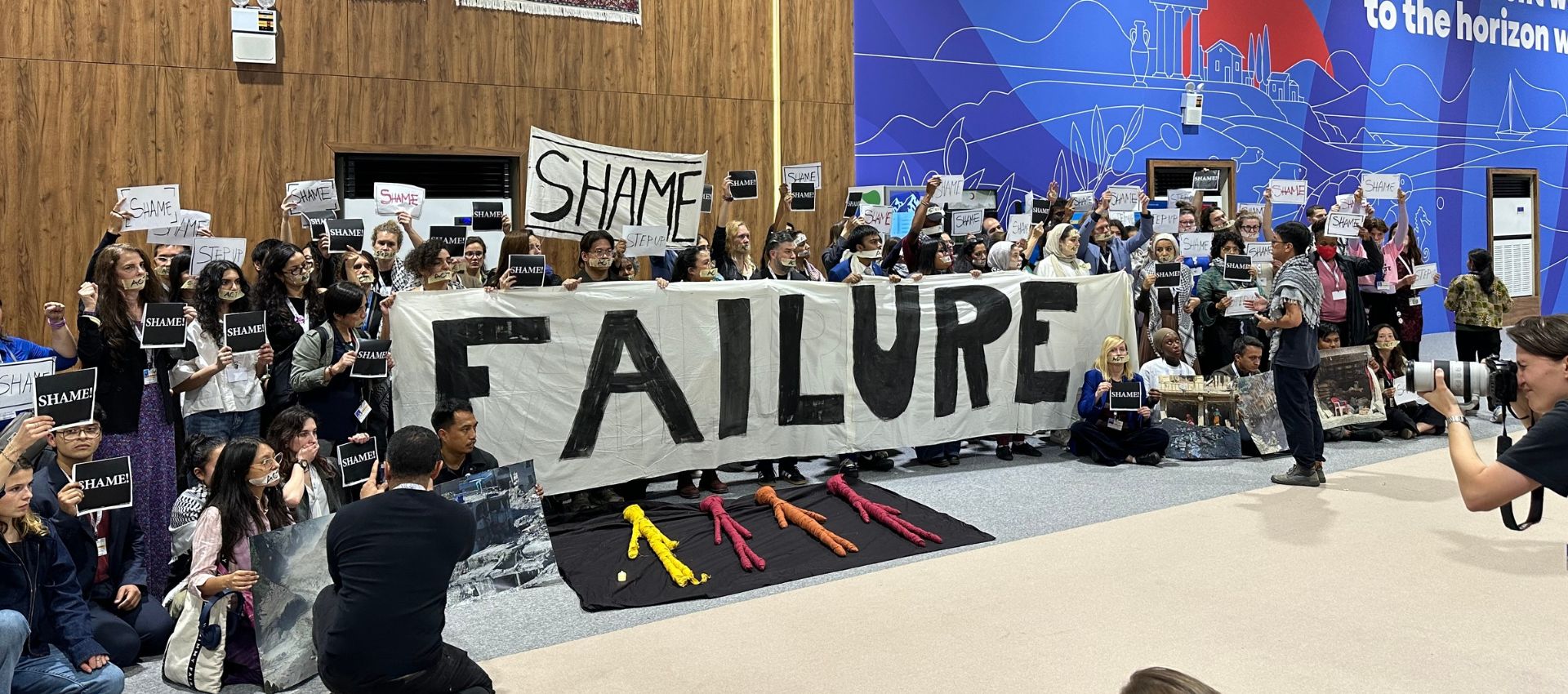
The United Nation’s 31st global climate conference (COP31) was held in the Turkish resort city of Antalya. It has been widely described as a failure because a set of resolutions proposed by the host government had to be dropped due to lack of unanimity among the nearly 200 countries present. It was a failure, but not for that reason.
The COP is the only forum where governments of all countries can sit together and discuss what is going on and what to do about it. That is its strength. But it is also a forum where every decision requires unanimity. That can be its principal weakness, as was seen at COP31 in 2026, and has been seen at most previous COPs.
There are two fundamental issues that often inhibit and sometimes prevent unanimity among countries.
- Scientists have made it totally clear that climate change is being caused by the unchecked use of coal, oil, and gas but any check goes against the economic interests of coal and oil exporting nations.
- Since rich nations have got where they are by using coal, oil and gas, they have the primary responsibility to help other countries cope with the consequences—principally by providing money. This goes against the political interests of rich country governments.
The overarching COP31 resolution proposed by the Turkish presidency foundered on both these issues.
Despite numerous iterations that took the two-week conference to nearly 50 hours overtime, the draft that was presented to the final plenary session omitted any mention of phasing out or phasing down the use of fossil fuels i.e. coal, oil, and gas.
Unsurprisingly, this was opposed on one side by island countries that face being drowned by rising seas and on the other side by the European Union that is moving ahead with a transition to clean energy.
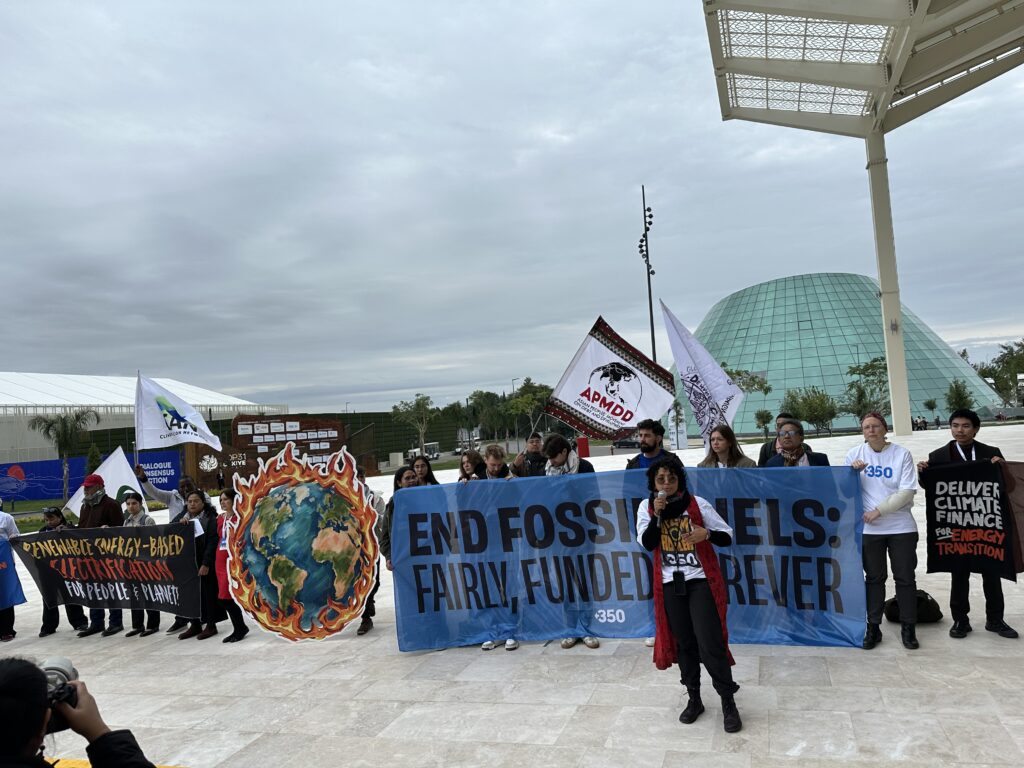
On the question of finance, there was little reasoned opposition, only stubborn blockade from rich country governments, whose delegates kept saying in the corridors that they simply did not have the money.
EU representatives did elaborate on that to say almost all the money earmarked for external aid was going to Ukraine due to its war with Russia.
So, the presidential declaration floundered, and COP31 was declared a failure. It is undoubtedly a grave setback, because the presidential declaration is a statement of intent from all countries, and provides strong signals to businesses as well as national and sub-national governments. But it is a political statement, without any mandatory power.
That power rests in the 2015 Paris Agreement, under which all countries have made mandatory commitments on exactly what they plan to do to mitigate greenhouse gas emissions and adapt to climate change impacts. Developing country governments have also estimated the money required from rich nations to do all this. Negotiations on mitigation and adaptation plans on finance are at the heart of the annual COPs. Decisions taken there are mandatory under the Paris Agreement.
The real failure of COP31 was to reach consensus on these decisions. Negotiations on the mitigation work programme kept getting blocked as developed countries asked developing countries to increase their mitigation ambitions, while the poorer nations kept asking for the “means of implementation” i.e. money.
Lack of Consensus Over Climate Financing
There is really no debate on adaptation — every country rich or poor now feels the need to adapt to climate change impacts.
Their delegates keep talking of the need to raise money from financial institutions, while poor countries keep worrying about worsening debt traps.
In 2024, rich countries had been persuaded after protracted negotiations to promise they would triple the public money for adaptation by 2035, part of the promise to provide USD 300 billion climate finance a year through public and private sources by that year. At COP31 in 2026, developing countries asked for the base year from which the tripling would happen, and the roadmap of financing till 2035, so that they could plan their activities. There was no response.
It is this impasse over money that has delayed climate action in previous COPs, and has hobbled it now. It is not immediately clear how this divide between developed and developing countries can be bridged.
There have been disastrous COPs before. The last really disastrous one was in 2009 in Copenhagen, where developed countries led by the US insisted that they would not promise any climate action unless emerging economies—mainly China, India, Brazil, and South Africa—committed to mitigating their emissions. This refusal to acknowledge historical responsibility and far higher per capita emissions in rich countries effectively derailed the COP.
That disaster gave rise to fresh negotiations which culminated in the 2015 Paris Agreement, under which every country pledged climate action, but with the understanding that developing countries’ responsibilities and capabilities are different, and that they need money and technical help from developed countries to deliver on their pledges.
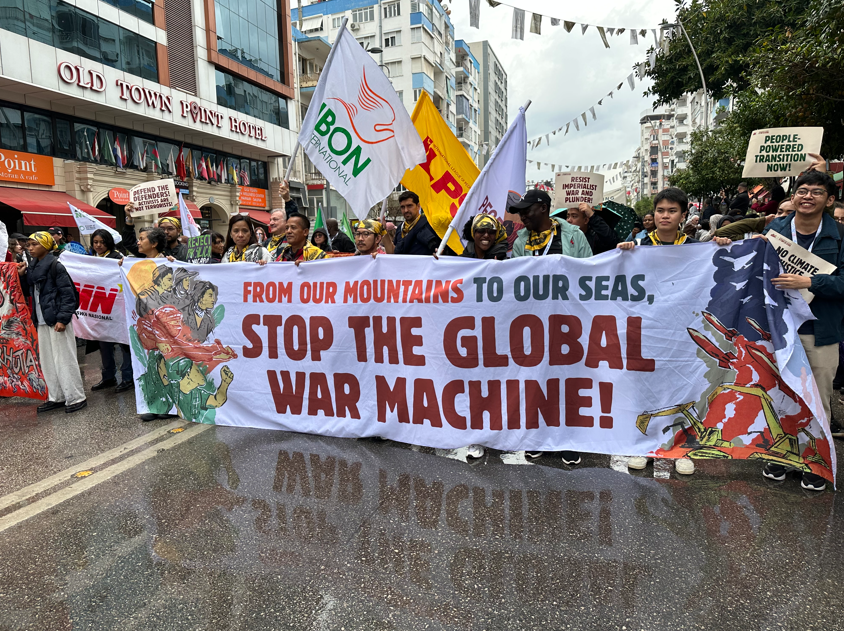
Money has become tighter since the start of the Russia-Ukraine war, and the situation has worsened markedly with the 2026 war in Iran, with the consequent rise in oil and gas prices. Ultimately, it was the money issue that derailed COP31.
Where’s the Money Going?
Countries are putting more and more money into defence.
With at least 6,26,000 people killed in wars in 2026, according to an independent database, wars cannot be ignored. But nor can climate change, which is turning out to be the gravest danger to humankind in this century.
A big problem is that tackling climate change requires longer-term planning which most politicians are unwilling to undertake. Still, there is no doubt that some new thinking is required on how to finance climate action.
Rich countries are financing domestic climate action, even in the US despite opposition from the federal government under President Donald Trump, a climate denier. Most emerging economies and other large developing countries—China, India, Brazil, South Africa, Malaysia, Indonesia, Thailand, Mexico and so on—are able to raise money at reasonable interest rates from the financial markets for their mitigation actions such as setting up solar or wind power plants.
There have been a few encouraging sparks where developed countries have stood guarantors for loans and therefore the interest rates have been brought down. There is an urgent need to explore these and other options.
One possibility that did arise from COP31 was a decision that the Adaptation Fund would have more money when it started getting a percentage of the proceeds of the carbon market—but that depends on the price financial markets put on carbon emissions.
Developing countries are suffering grievously from a problem they have done little to create, so have every right to demand grants from rich nations to deal with climate change. But the response to the demand has been woefully inadequate, and there is no sign of any change in that situation.
In an unequal world, every country big and small will have to combat climate change to the best of its own abilities, while hoping for help from the international community. The COP process is the only one where that hope can be kept alive.