
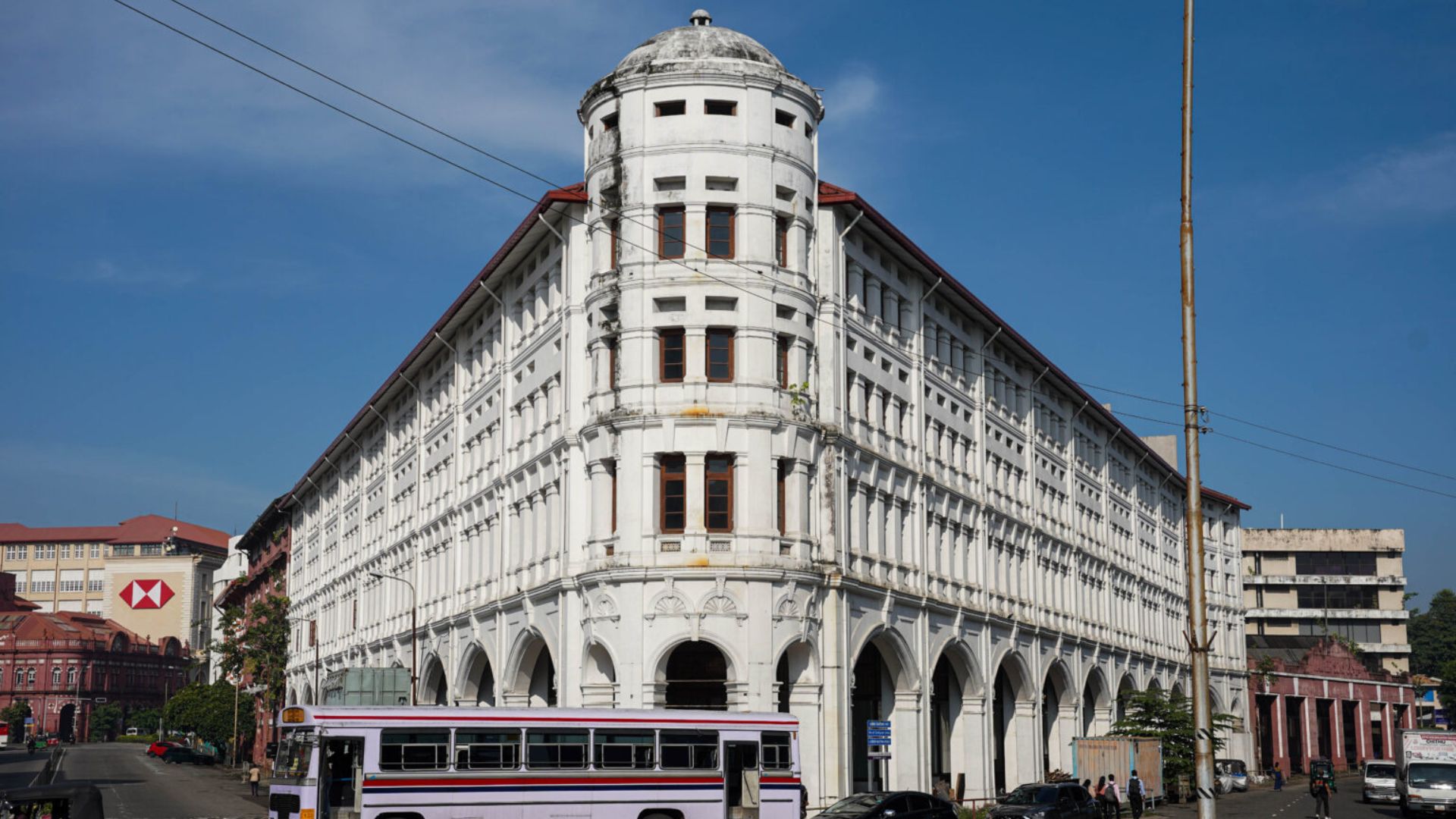
For decades, Colombo’s oldest buildings have stood strong during wars, political changes, economic growth, and currently, the expansion of the capital. Now, some are being renovated. Others remain neglected. Some have found a new commercial purpose while others sit empty on increasingly valuable land. It raises the question how much of the past can survive these developments?
There is a remarkable divide when walking through Colombo metropolitan area. It feels like the city got caught between two centuries. Glass towers are shining in the bright sun, in stark contrast with the crumbling facades of some of the heritage buildings.
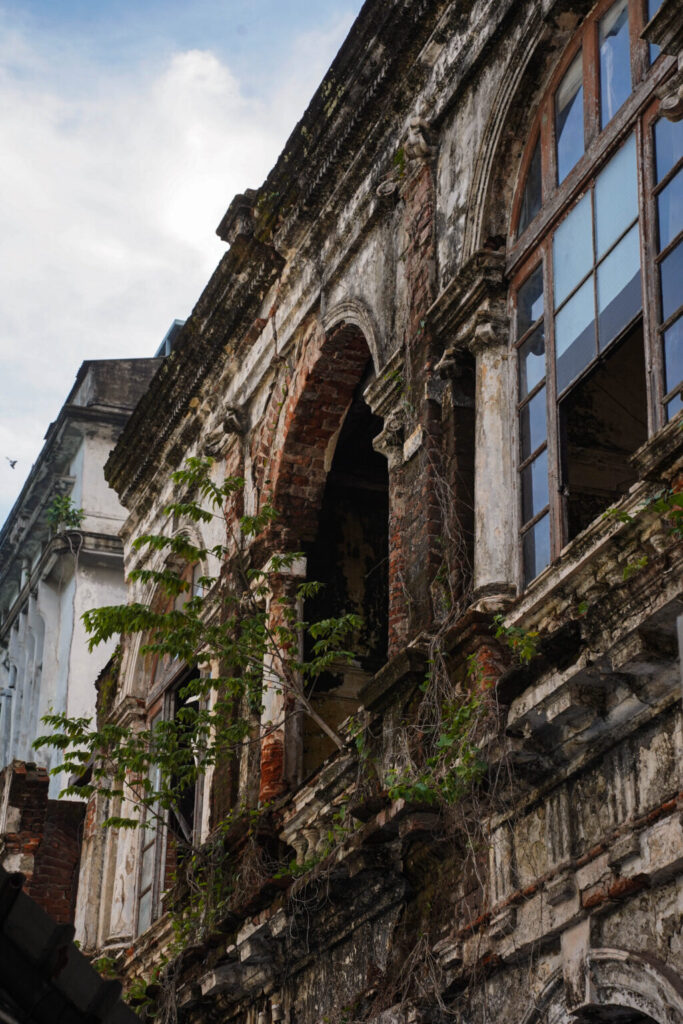
Yet, some of the buildings are part of daily life, passed on the way to work, photographed by tourists, used as offices, theatres, and railway stations. Colombo’s heritage buildings reflect the city’s colonial history as a centre for trade and transport and how it has developed over time.
The Urban Development Authority’s Colombo Commercial City Development Plan 2019–2030 identified 62 listed buildings across the Commercial city. It notes that while some are well conserved and economically used, a significant amount is in a dilapidated status and need immediate conservation. The plan also states that most of these buildings are in prime locations with high land values, where pressure for new investments is high.
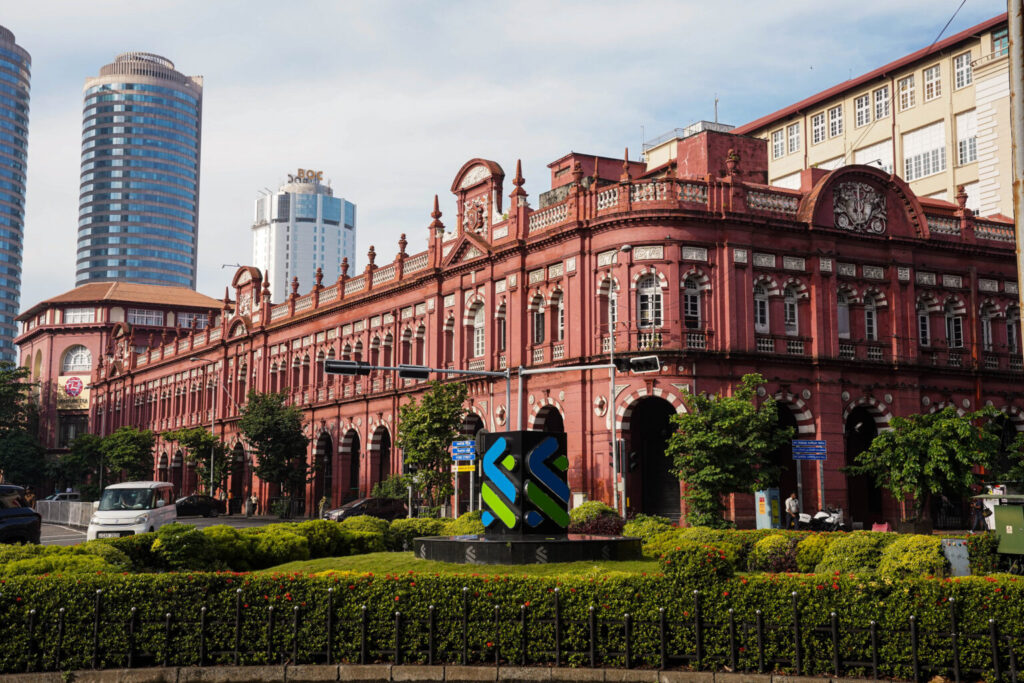
Among the buildings identified by the UDA are famous landmarks such as the Cargills building, former general post office, the Grand Oriental Hotel (GOH), and Gafoor building located in the Colombo fort area.
The UDA’s plan proposed to conserve the identified buildings while enhancing their economic, environmental, and social values. Heritage rehabilitation and a heritage trail were among the ideas put forward.
However, the future of many of these buildings remains uncertain, especially with ownership spread over the government, private companies, and individuals.

For the heritage buildings to survive, it doesn’t only mean being protected but also to stay part of the life of the city. For many private owners, this means finding a way for an old building to function in a modern city.
Priyanthi lived in Colombo for 30 years and is now living in her village in Southern Sri Lanka. After years, she returned to Colombo by train to seek medical consultation at the National Hospital Sri Lanka.
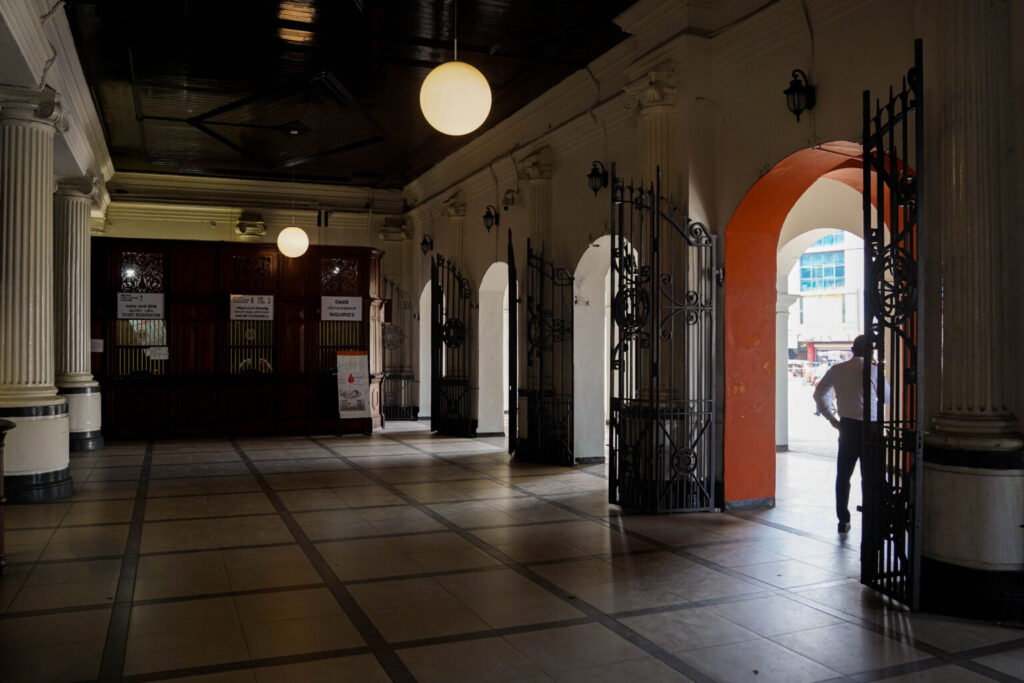
“I was so happy to see Maradana station after so many years. Early, this place looked ugly and unclean. Now that it is renovated, I feel it is more people friendly and safe,” she said after witnessing Maradana Station being given a facelift.
In April 2026, the first phase of the station’s renovation was completed as part of the “Dream Destination” Programme, which aims to renovate 100 railway stations across the country through government, private sector, and public funds. The project, sponsored by the Akbar Brothers, the country’s largest exporter of Ceylon Tea, and supervised by the Department of Archaeology, included refurbishing the main entrance, improving sanitary facilities, platforms, and landscaping.
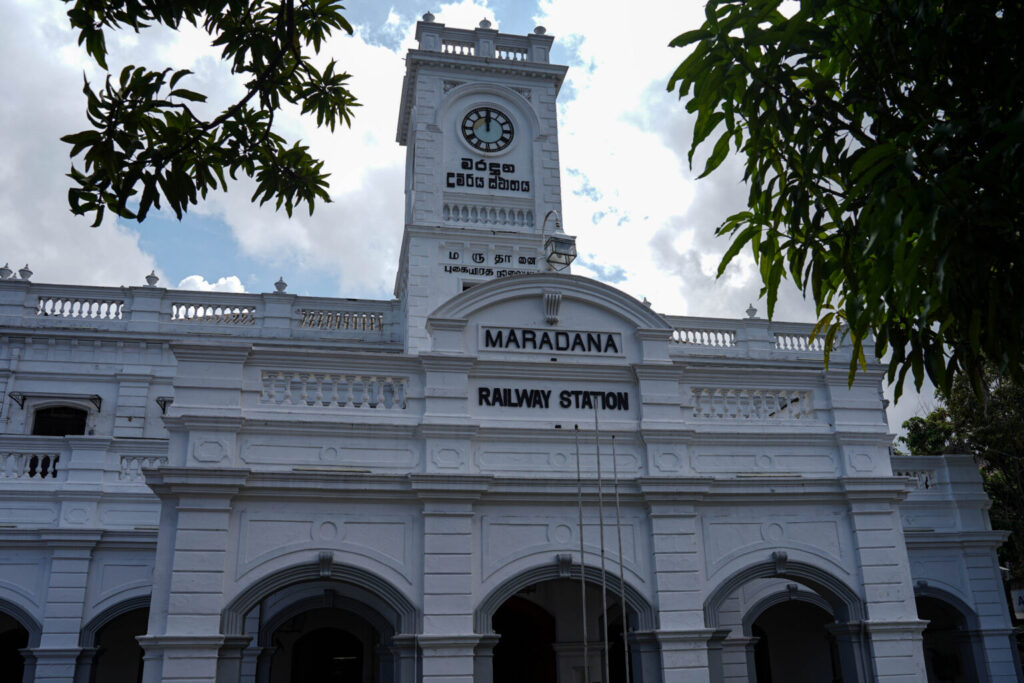
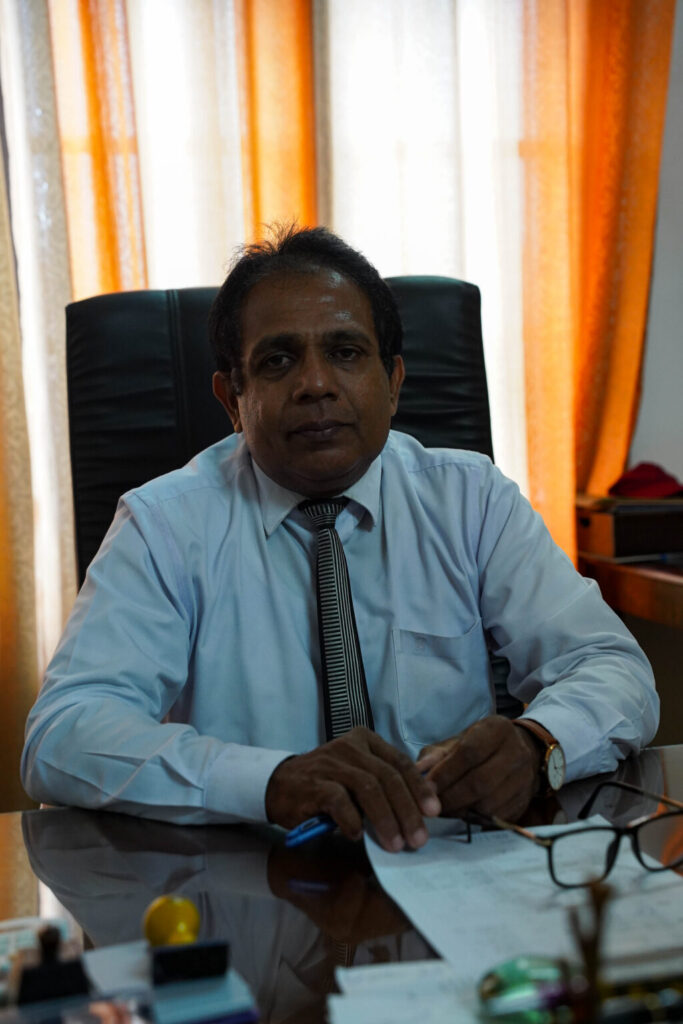
“The renovation took place under the strict supervision of the Archeology Department as we cannot change certain parts of the station on our free will. This building falls under heritage buildings therefore we consulted them even to change the wall paint color,” HPK Pushpakumara, station superintendent of Maradana railway station told the CIR.
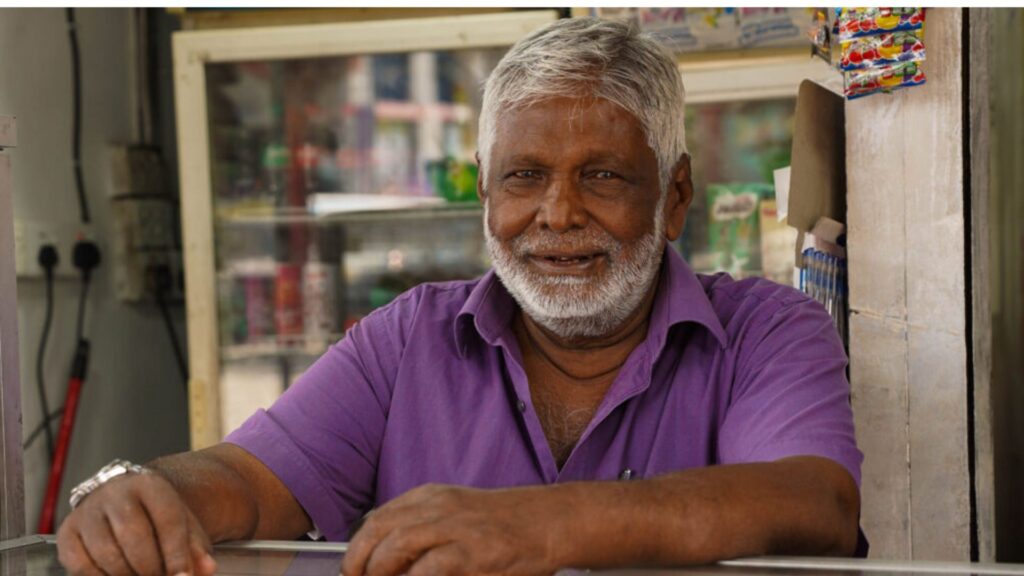
While Priyanthi was elated to see the facelift, Sheik Hussain who has been in the neighborhood for more than seven decades and now runs a small shop near the station feels otherwise.
“The old building carried power. When we looked at it, we also felt proud. I know it looks clean now but that sense of power and pride is lost after the renovation,” he said.
Even though both Priyanthi and Hussain agree that the historical value of the buildings should be maintained, heritage is experienced in different ways.
“There are several buildings in Colombo that carry a part of our history. Those should be properly utilised and maintained but most certainly preserving the original outlook,” Hussain added.
The Buildings of Colombo
Colombo offers dozens of heritage buildings from colonial periods.
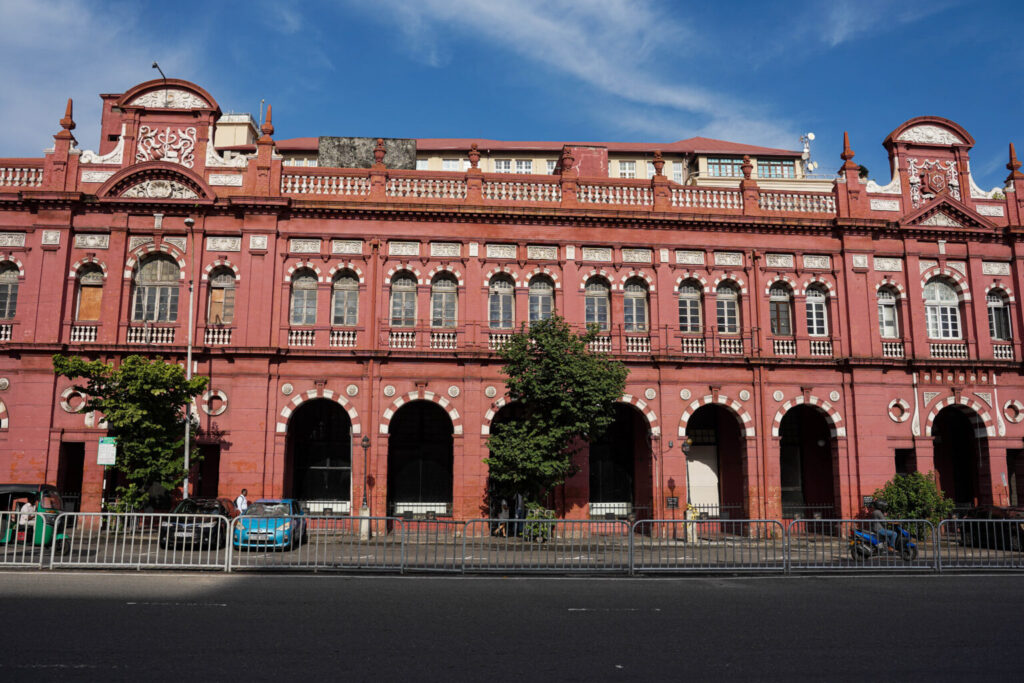
One of the most recognisable landmarks, the Cargills building, is known for its commercial purpose. The red-and-white building on York street dates back to 1844 when it served as a general wholesale warehouse.
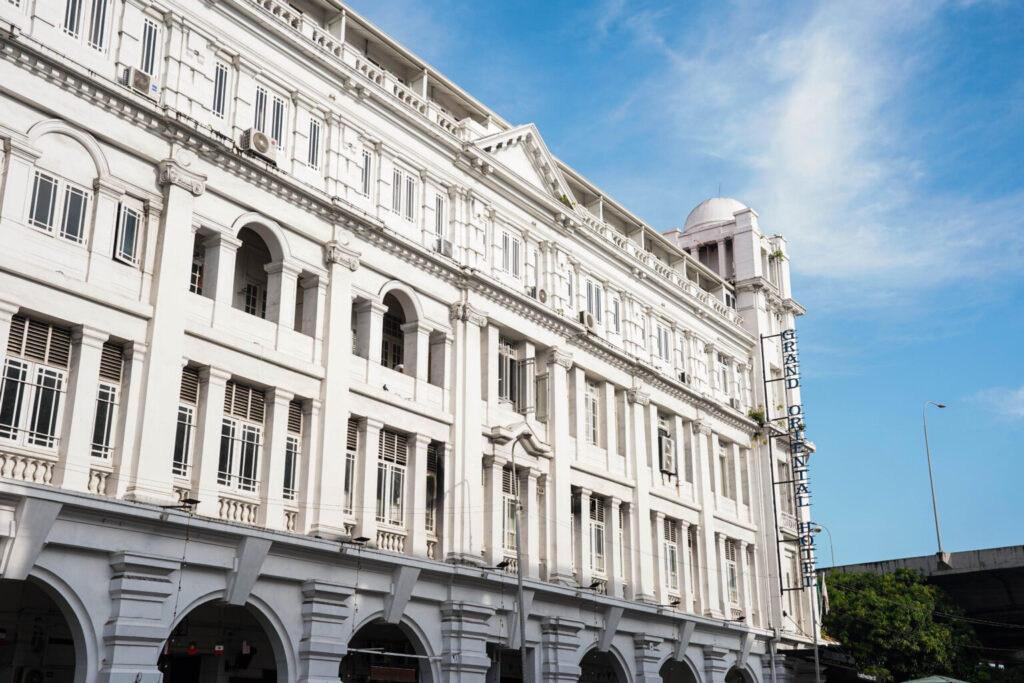
The Grand Oriental Hotel, which initially served as military barracks, celebrated its 150th anniversary last year as one of the best-known hotels in Colombo.
Along Duke street is Sri Lanka’s first Telegraphic Post Office built in 1850 is awaiting renovations for the betterment of the tourism industry.
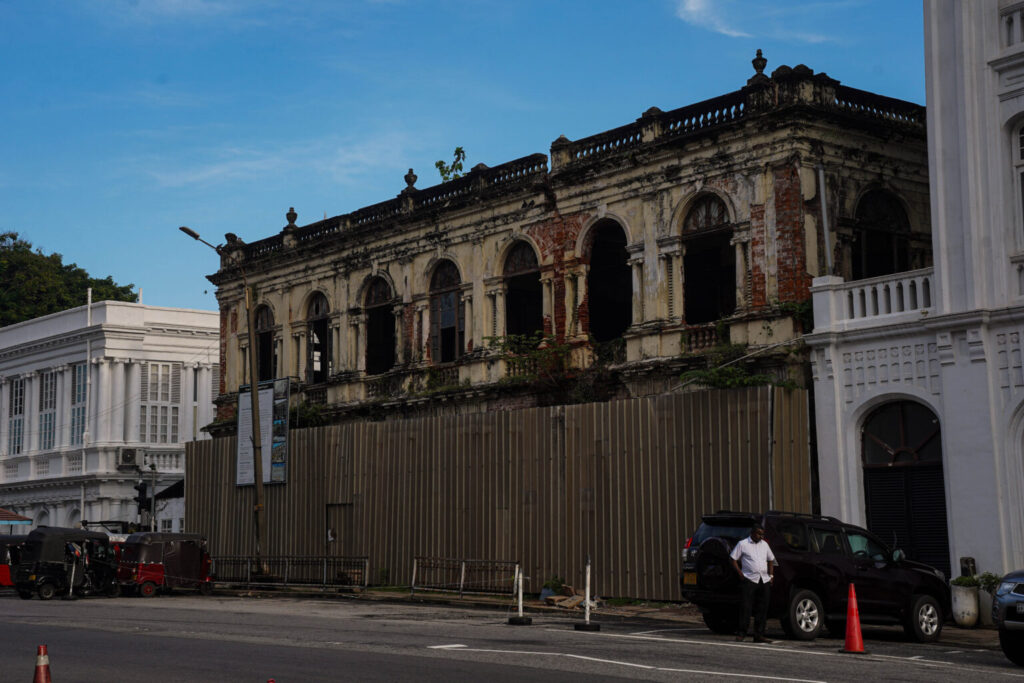
All of these may have different owners, but they face a similar challenge: remaining useful while also representing their historical value.
The privately owned Macan Markar building Colombo Fort offers a totally different possibility.
The building, purchased in July 1944 by the Macan Markar family of Galle, is in poor condition after years of non-occupation and litigation.
Now it’s being given a different use.
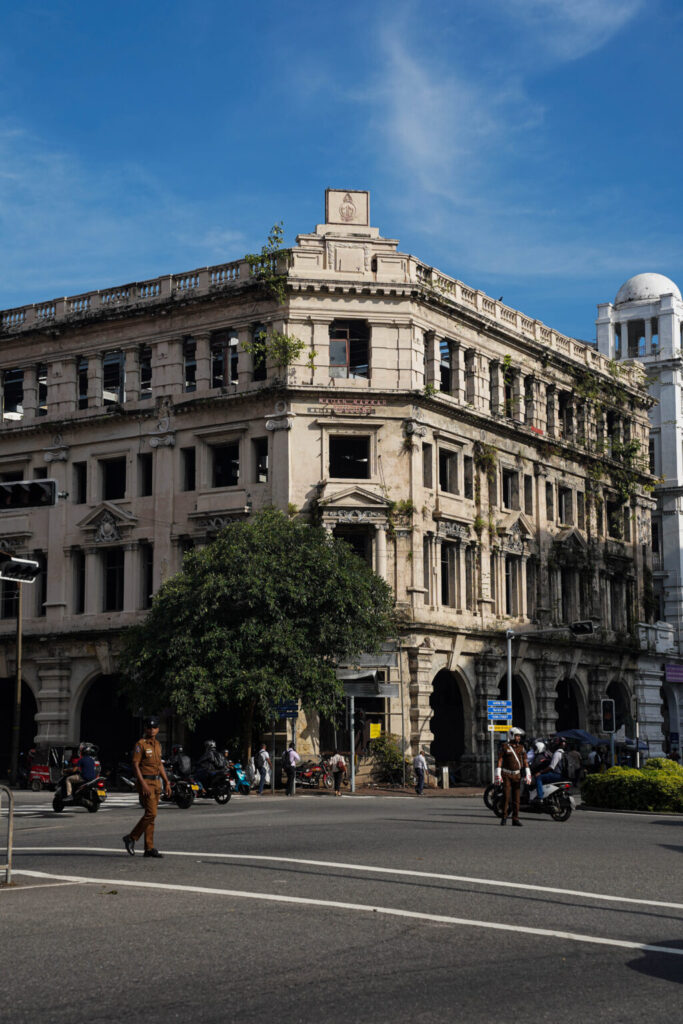
According to Samsi Deen Macan Markar, director of OLM Macan Markar Ltd, the building is now being restored through a private arrangement. Hatch Works Ltd is leasing the building and funding the restorations. By 2027, the building is expected to be turned into co-working and meeting spaces while the original architecture will remain.
For the family, it allows the building to generate an income while preserving the features that give the building its identity. “Historical value is very important,” he says. According to Macan Markar, turning the building into co-working spaces, will not only generate an income for them but it will also contribute to Colombo’s economic growth.
But his experience raises a larger problem.
Macan Markar mentions that there are plans and organisations working on heritage but maintaining and restoring buildings remain difficult.
“There are plans”, he said, “but it’s not properly regulated and they are obviously short of funds.”
But “heritage” doesn’t always mean the same thing legally. Not every building fall under the UDA’s heritage inventory and they fall under different forms of protection, ownership and responsibility.
Laws and Their Gaps
Sri Lanka already has legal protection for historical monuments, archaeological sites, and cultural artifacts under the Antiquities Ordinance l. It regulates restoration, repairs, and alterations. However, ICOMOS raised concerns that the existing framework does not recognise all forms of heritage, potentially leaving buildings of historical significance without protection.
In November 2025, the government announced a national heritage list covering both tangible and intangible heritage to establish the criteria to identify and classify national heritage. In 2022, then minister of cultural affairs Vidura Wickramanayake obtained Cabinet approval to create this list.
Nearly a year later, that national list still hasn’t been approved.
More recent plans are linked to tourism.
“I personally believe we should not overtly redo or renovate heritage buildings to make those commercially viable. They are the living proof that the Portuguese, the Dutch and the British came to our country. It is part of our history,” Farhan Hussain, a small-scale businessman said.
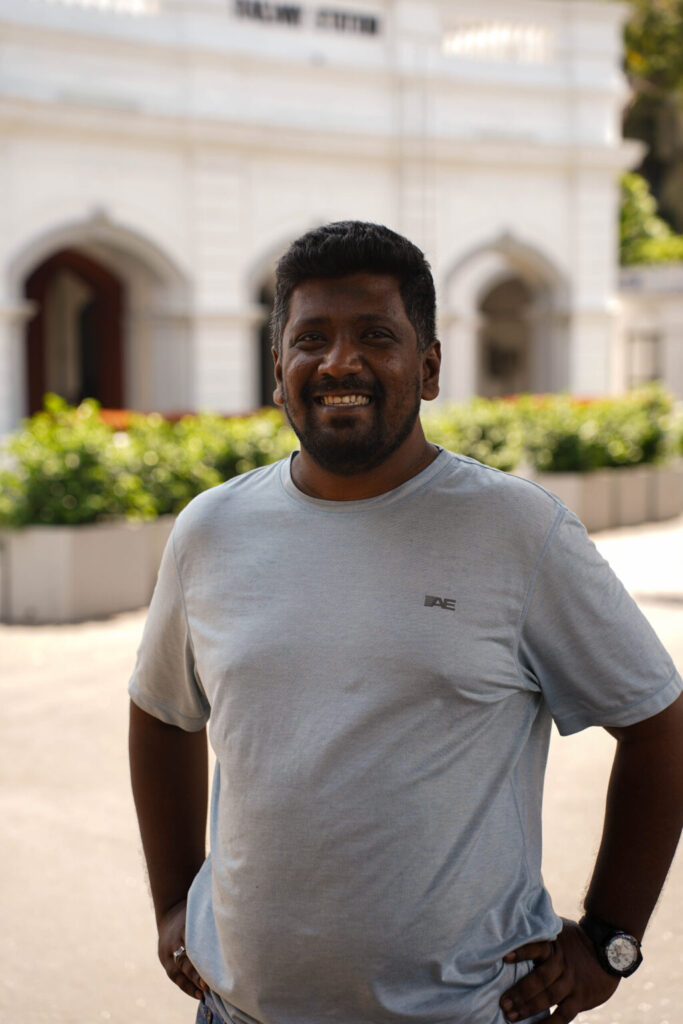
He said there is no harm in utilising those buildings for tourism purposes while preserving its originality.
“There are at least 10 foreigners daily who come to us and ask what they could explore in Colombo. If these heritage buildings could carry little museums which state what it was earlier, who was the original owner and how it evolved and create a small video of even 30 seconds and show it to passengers in SriLankan Airlines that would be a great opportunity. Now see the Gaffoor building. The family was into gem business and he donated the building. The least you could do is to respect his dream and put it to good use with due credits to him or the family,” he added.
The World Bank’s THRIVE Colombo proposal is based on the idea of making Colombo a stronger tourist destination while retaining its heritage. According to media reports, President Anura Kumara Dissanayake is currently reviewing plans with the Fort area at the center of the proposal.
Plans are in place to preserve its historically significant buildings and monuments while implementing a systematic traffic management plan. By establishing links between Colombo Port City and cruise ships arriving at the Port of Colombo, the project is expected to make a significant contribution to the national economy.
Thushari Thilakarathne, director of project management for the Western Region at the Urban Development Authority (UDA), told CIR that the project was still in its early stages.
We are currently working on the master plan and developing a vision proposal for the project in partnership with the World Bank. We are looking at heritage buildings, including the old Town Hall and the post office, to identify how they could be used to support tourism rather than for purely commercial purposes. We are still working out the timeline for the project.
Thushari Thilakarathne, Director of Project Management, Western Region, UDA
It shows how Colombo’s heritage is increasingly being viewed not only as something to preserve, but also as an economic and tourism asset. With this plan on the table, it represents another attempt at intertwining Colombo’s heritage with its economic future. However, the question remains: how much of Colombo’s past can be a part of its everyday future?