
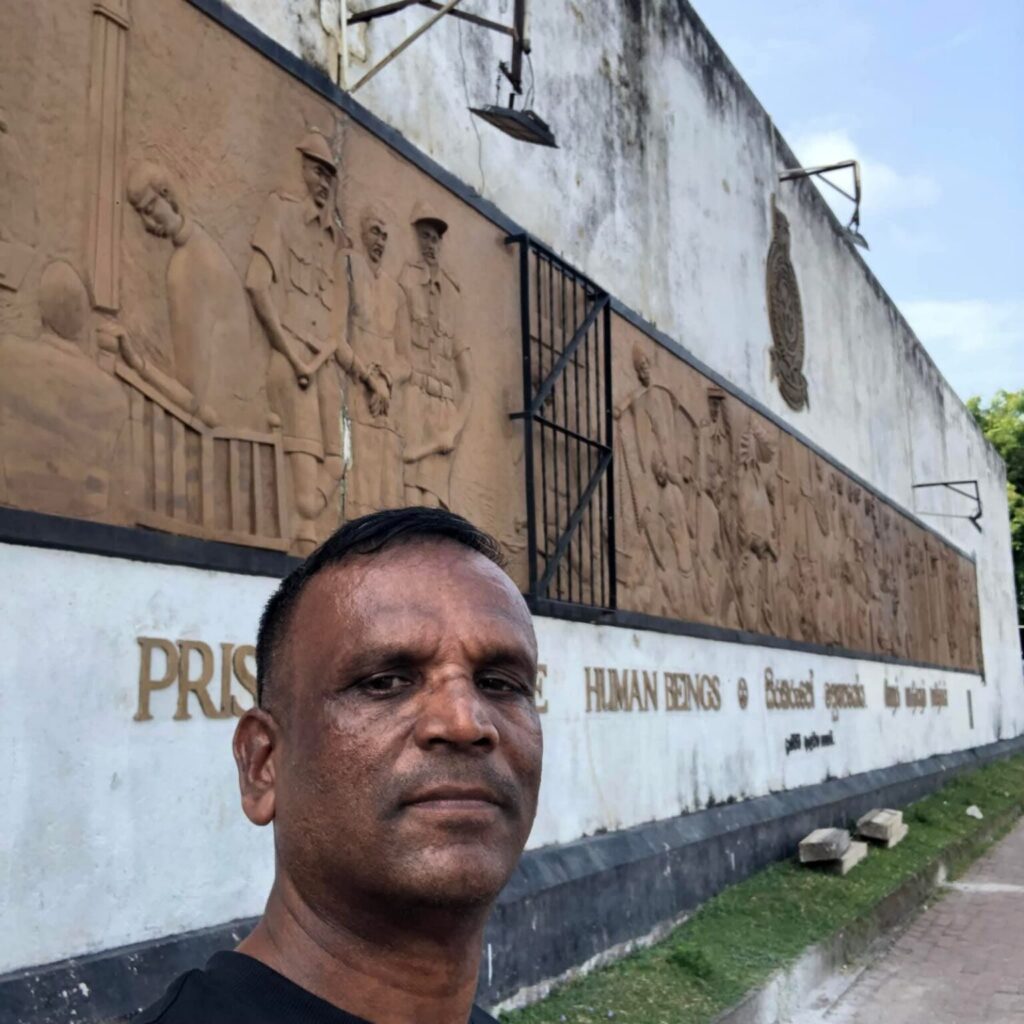
When retired military officer and attorney-at-law Ajith Prasanna walked through the gates of Welikada prison in February 2023, he expected to lose his freedom.
He did not expect to lose his dignity.
For more than three years, Prasanna said he endured conditions that exposed a prison system crippled by severe overcrowding, inadequate health care, weak rehabilitation programs, and chronic shortages of even the basic necessities.
Prasanna described prisoners sleeping shoulder-to-shoulder on concrete floors, queuing for bland meals, working long hours, waiting months for soap and toothpaste, and watching seriously ill inmates struggle to receive medical care.
“Some prisoners do not receive even a bar of soap for six months,” he said.
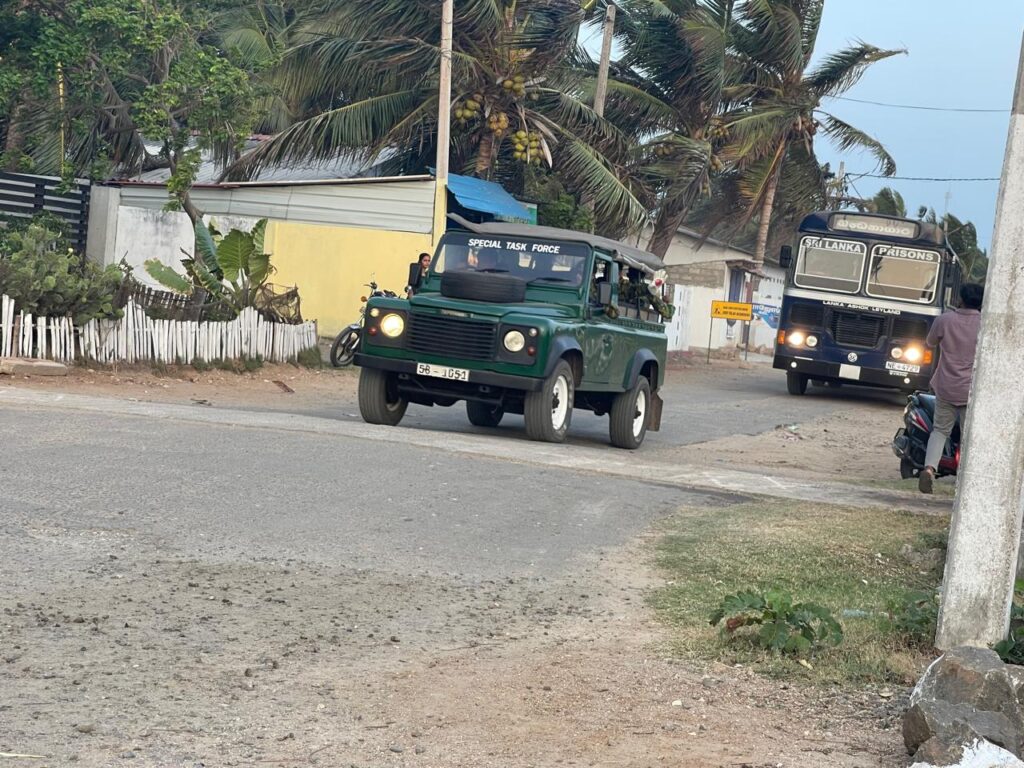
His account comes just weeks after the deadly Negombo prison riot reignited debate over the state of Sri Lanka’s correctional system. While investigations into the violence continue, prison experts, lawyers and human rights advocates argue the deeper crisis extends far beyond a single prison or incident.
Instead, they say, Sri Lanka’s prisons have become the clearest symptom of a justice system neglected for decades.
A System Bursting at the Seams
Official statistics paint a stark picture.
Sri Lanka’s prisons were built to house just over 10,000 inmates. Today, they hold nearly three times that number.
According to the Department of Prisons statistics, the average daily prison population reached nearly 30,000 in 2024 despite an authorised capacity of 10,395—an occupancy rate of almost 287 percent.
Some facilities reportedly operate at between 300 percent and 400 percent of their intended capacity.
The crisis is not new.
Department data show that prison capacity has continued to increase every year for more than a decade. In 2019 alone, prisons designed for fewer than 12,000 inmates held more than 24,000 people.
Prasanna believes conditions have worsened further.
“The prison population has increased from around 27,000 when I entered prison to more than 44,000 today,” he told CIR.
“Prisoners now sleep packed together like canned fish. They even fight over space to bathe or wash their clothes.”
An Unconvicted Majority
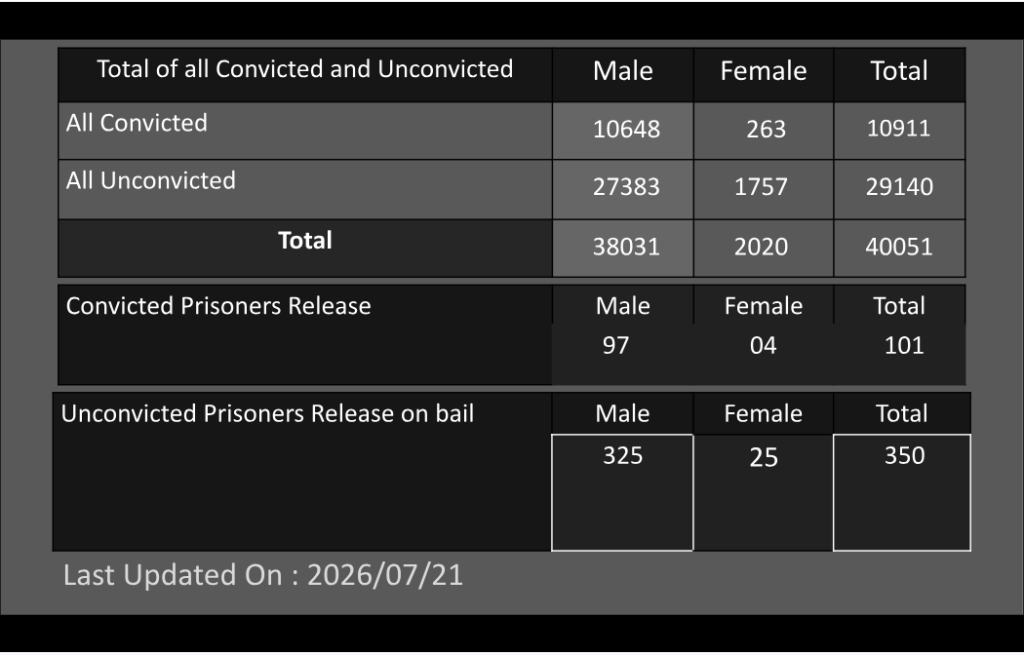
Perhaps the most striking feature of Sri Lanka’s prison population is that most inmates have not been convicted.
The figures suggest overcrowding is driven less by convicted offenders than by prolonged pretrial detention.
Prasanna argues lengthy delays in granting bail, slow government analyst reports in narcotics cases, and the routine incarceration of drug users have all fueled the prison population.
Recent policing trends reinforce that concern.
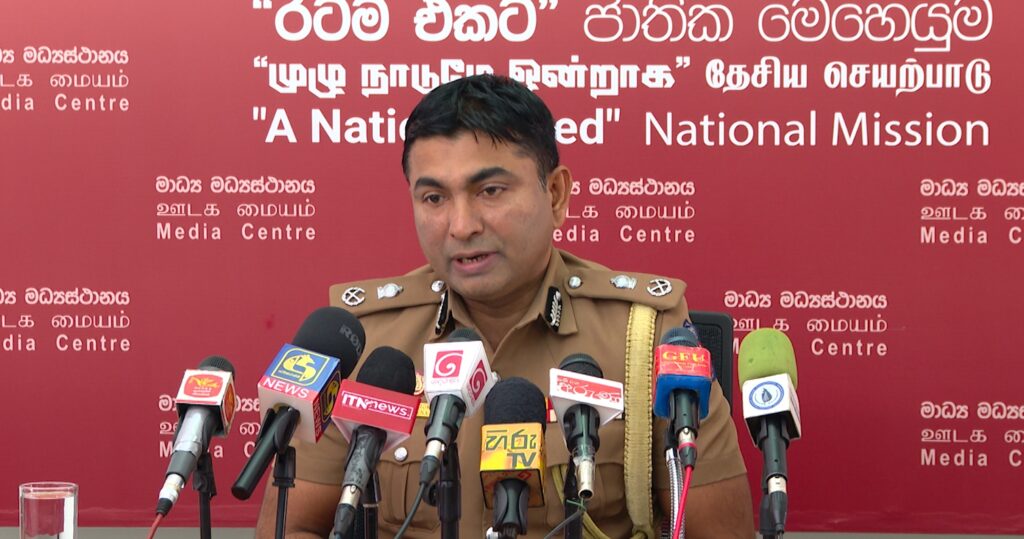
Since the nationwide “Ratama Ekata” anti-drug operation began in October 2025, police have arrested more than 230,000 suspects on narcotics-related charges.
Ashoka Dharmasena, a deputy inspector general and director of the Police Narcotics Bureau, said 230,248 suspects had been arrested nationwide and that authorities continue to arrest an average of 750 to 800 people each day.
Without reforms to bail procedures, forensic capacity and drug rehabilitation, many of those arrested risk adding further pressure to an already overwhelmed prison system.
According to a research by the Committee for Protecting the Rights of Prisoners (CPRP), an average of 8,423 unconvicted men and 1,056 unconvicted women are imprisoned each day.
“For every eight unconvicted men in prison, there is roughly one unconvicted woman,” said Sudesh Nandimal, the committee’s convener.
Health Care Under Pressure
Overcrowding affects far more than sleeping arrangements.
Prasanna also alleged many prisoners fail to receive timely medical care.
Official figures show prison hospitals designed to accommodate just 185 patients are treating around 350 inmates at any given time.
In an 863-page report based on 2,881 questionnaires administered to prisoners, 352 interviews with incarcerated individuals and 102 interviews with prison staff, the Sri Lanka Human Rights Commission (HRCSL) in 2020 found that severe overcrowding forces many newly admitted remand prisoners to stand throughout the night because there is no space to sleep. Others are compelled to sleep next to, or even inside, toilet areas.
The commission also documented widespread complaints about infestations of mosquitoes, bedbugs, rats, and pigeons inside prison wards, conditions it (commission) directly observed during visits. The report found that ward conditions and other prison facilities are not regularly inspected by medical officers or public health inspectors, despite legal requirements. It concluded that the lack of independent oversight and follow-up by the Ministry of Justice and Prison Reforms demonstrates a serious disregard for prisoners’ health and living conditions. Such conditions create an environment conducive to the spread of infectious diseases, placing even greater strain on prison health care and inmate transport systems.
Former human rights commissioner Ambika Satkunanathan said access to specialised care remains a serious concern. Some prisoners, she noted, have reportedly lost their eyesight after waiting years for cataract surgery.
She also questioned proposals to relocate prisons away from urban centers, arguing they would make access to courts, hospitals, and family visits even more difficult.
“Prisons were established close to courts and other institutions for a reason,” she said.
Longer journeys mean higher transport costs, more security personnel, and greater difficulty accessing medical care. Family visits also become less frequent, weakening one of the strongest predictors of successful rehabilitation after release.
Justice Starved of Investment
Rajeev Amarasuriya, attorney-at-law and the president of the Bar Association of Sri Lanka stated overcrowded prisons are only one symptom of a broader failure within Sri Lanka’s justice system.
Public debate, he said, often focuses on judges, lawyers, or prison officials while overlooking decades of chronic underinvestment.
Sri Lanka allocates just 0.57 percent of total government spending to the administration of justice, far below many comparable countries.
According to Amarasuriya, the country has only one magistrate’s court for roughly every 315,000 people.
Court backlogs exceeding one million cases, judicial vacancies, outdated infrastructure, limited digitisation, and staffing shortages have all contributed to prolonged remand detention and prison overcrowding.
“The events at Negombo were not an isolated disturbance,” he wrote.
“They were the foreseeable consequence of years of chronic underinvestment by the state in the administration of justice.”
Beyond Building More Prisons
Following recent unrest, the government has announced plans to expand prison infrastructure.
Cabinet spokesman and minister Nalinda Jayatissa said temporary prison facilities at Welikada and Magazine prisons are nearing completion. A high-security prison has also been established at the Welisara navy camp.
Longer-term projects extending through 2029 include expansion at Wataraka, redevelopment of Kalutaraprison, expansion at Wariyapola, relocation of Matara prison to Kotawila and plans to move Colombo Prison to Milwala in Horana.
But Satkunanathan cautioned that simply building more prisons risks treating the symptom rather than the cause.
Remote prisons, she said, increase transport costs, reduce access to hospitals and discourage family visits, ultimately undermining rehabilitation.
“Most families cannot afford to travel long distances,” she said. “Maintaining family connections is essential to rehabilitation and reintegration.”
Nearly 8,500 inmates are in prisons due to the delays of reports from the Government Analyst Department. It is about 40 percent from the total remand population, a report titled ‘Prison overcrowding: short – mid – long term plan to overcome the challenge’ stated.
For Prasanna, prison reform is no longer an abstract policy debate.
After spending more than three years inside Sri Lanka’s prison system, he says improving conditions has become one of the causes he intends to champion.
His account offers a rare glimpse into a system largely hidden from public view. Combined with official statistics and the warnings of human rights advocates and justice experts, it points to a broader conclusion.
Sri Lanka’s prison crisis is not simply the result of too few prison cells. It reflects a justice system strained by prolonged court delays, punitive responses to drug offenses, chronic underinvestment, and the absence of meaningful rehabilitation.
Unless those structural failures are addressed, experts warn, overcrowding, deteriorating conditions, and periodic prison violence will remain recurring features of Sri Lanka’s criminal justice system rather than isolated incidents.