
Randeep Singh was not fortunate enough to get arrested, shackled, and strapped into a seat on the Amritsar-bound C-17 flight from the United States. After struggling in alien lands for 264 days, he finally died in Cambodia on his way to the US, while taking a dunki route (donkey flight) on February 21 this year.
You might say Pargat Singh was luckier. Another Punjabi lured by foreign dreams, his journey to the US began with selling half of his family’s 3-acre landholding, and most of his mother’s jewellery – and ended with his deportation to India. He returned home in handcuffs, but at least lived to tell the tale.
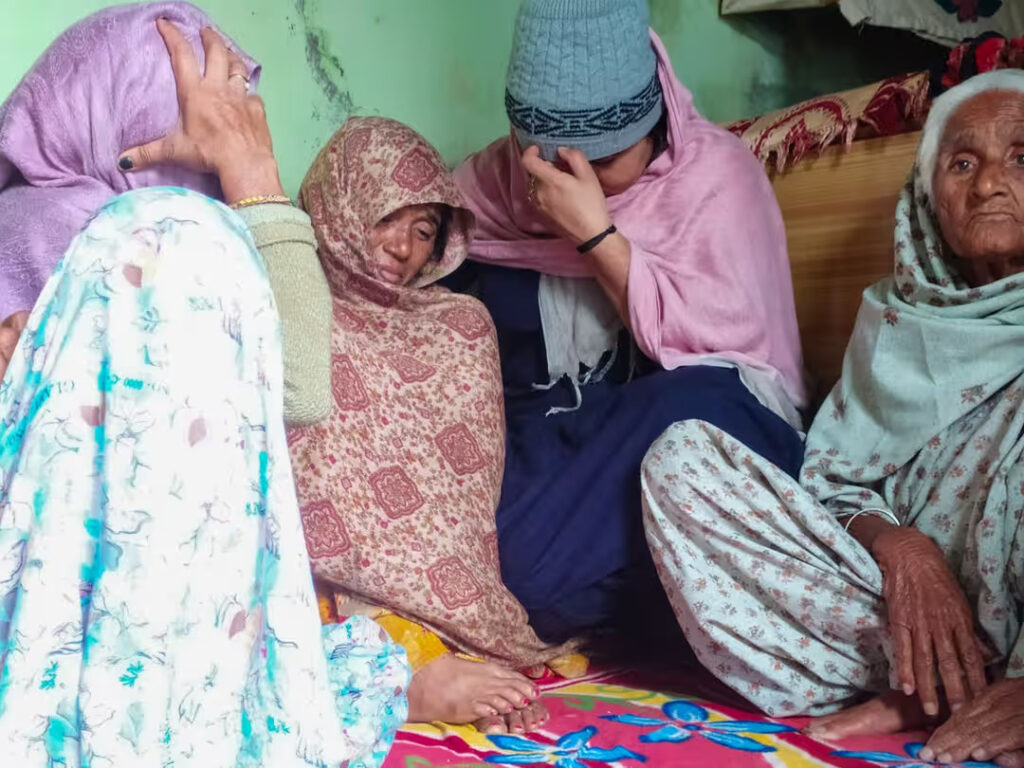
At Randeep’s house in village Sheikhpura Kalan of Punjab’s Mohali district now, only sathar — a funeral ritual of sitting on the floor after a death in the family — brings grim testimony to his heart-rending story. The tiny two-room house falls short on space in accommodating the mourners, who are waiting for his remains to arrive. But that doesn’t seem about to happen anytime soon. The Indian Embassy in Cambodia has asked for an advance of USD 7,100 (roughly Rs. 6,21,000) to cover all expenses in dispatching the body back home.
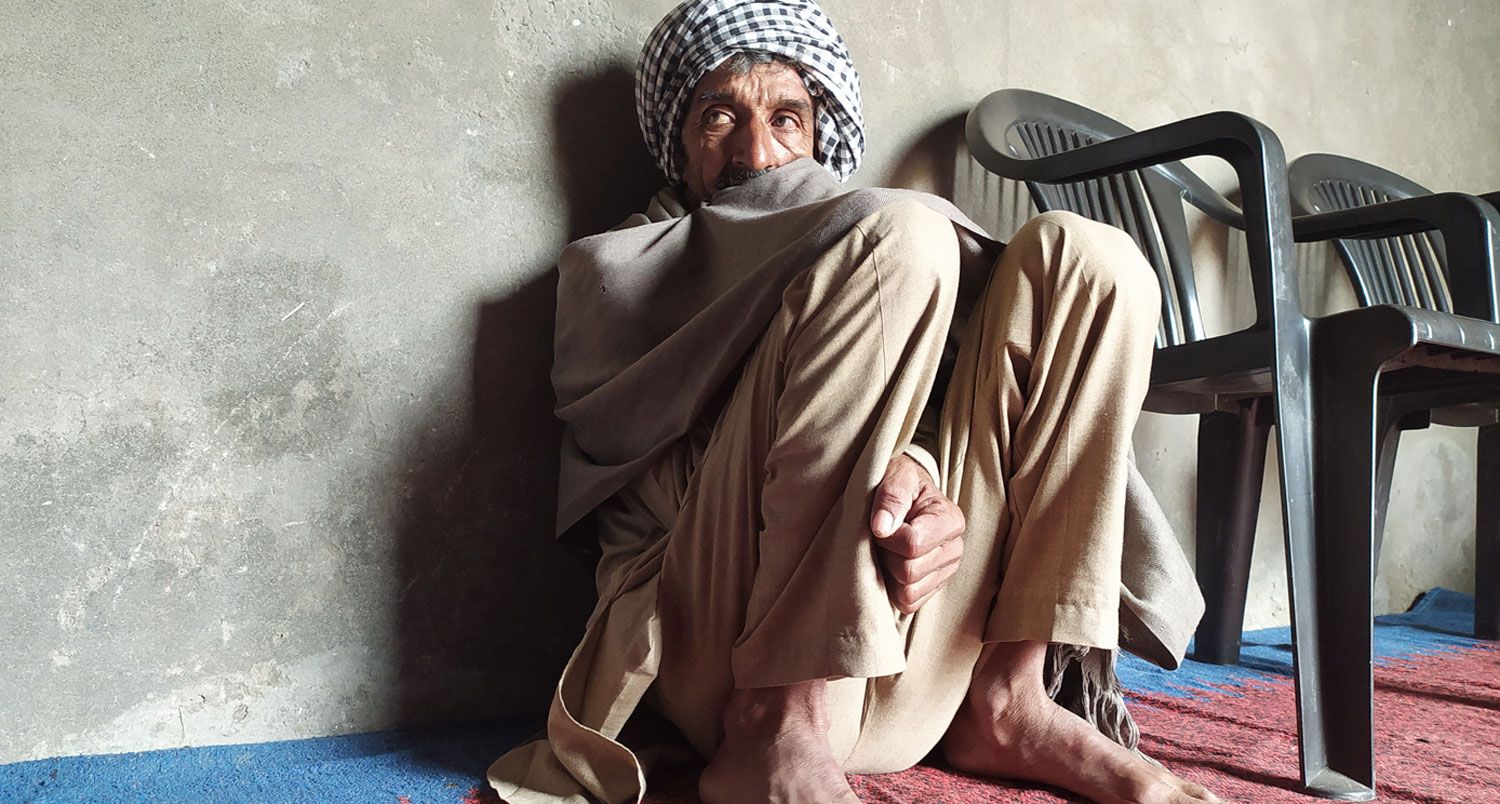
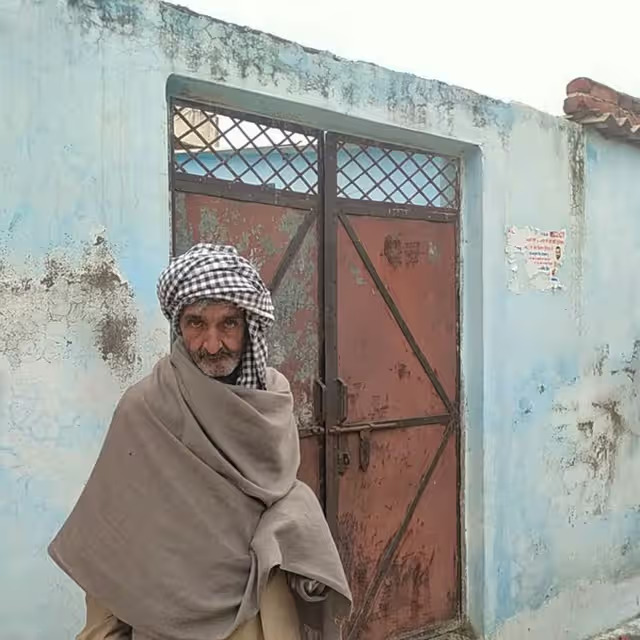
That six-digit figure is incomprehensible to Randeep’s father, 55-year-old Balwinder Singh, who is a daily wage labourer and earns Rs. 500 on those lucky days he finds work at all. Regardless of whether he knows them or not, Balwinder gazes at each visitor with a fragile hope and whispers just one sentence. “Body lai ke aaun da dekho [Please do something to bring the body back].”
With joblessness and agrarian crisis stalking the countryside, Randeep, 24, was not the only one yearning to escape Punjab. Born in a landless Dalit family, he was raised amid sheer hopelessness when successive crop failures, unavailability of work, and a wave of suicides had engulfed rural Punjab.
A study by Punjab Agricultural University, Ludhiana, found that the state had seen 16,606 farm suicides from 2000 to 2015. Half of these were landless Dalit agricultural labourers. Following that period too, the claims of successive governments about ‘turning Punjab into California,’ or creating an abundance of employment that would entice even job-seeking foreigners to come here, seem to have left youth unimpressed.
The return in chains from the USA of many from this generation confirms that. Why would they otherwise have gone there in search of a better life? On March 13 this year, the Union Government stated in Parliament that among the 388 people deported to India by the US, 39.43 per cent were from Punjab and 34.02 per cent from Haryana. That is, close to three-fourths of the total. The boom of the immigration business, of centres running the International English Language Testing System (IELTS) and Test of English as a Foreign Language (TOEFL) even in small towns, confirms this sad truth. Escaping Punjab had become the only dream of large numbers of youngsters.
Earlier, the government of India had stated in Parliament that around half a million people had migrated abroad from Punjab for employment between 2016 and 2021. During the same period, 2.62 lakh students had opted to study abroad; for most of them, education was just a way to exit Punjab. The wave of suicides had been followed by another wave: a mass exodus.
Randeep’s dream was to get his elder sister married and to free his father and mother from hard labour. So, after taking high-interest loans and selling off two buffaloes, he struck a deal for Rs. 42 lakhs with a travel agent. That agent ‘guaranteed’ he would take him to the US through Canada. Randeep left home on June 1, 2024, on that assurance. The family says they paid the travel agent Rs. 25 lakhs.
The agent took him to Cambodia instead, where he died mysteriously in a hospital on February 21. “The agent has duped us. Kids are just sacrificial goats for them. Now we have to get his body back,” says Randeep’s paternal uncle Dharampal, who is a taxi driver. This is a common tale across most youngsters here who have taken the immigration plunge. After spending anywhere between Rs. 30 to 50 lakhs, the journey of many of them ends in interception, even drowning, in the Mediterranean Sea, or in the jungles of Panama, or jails in the USA.
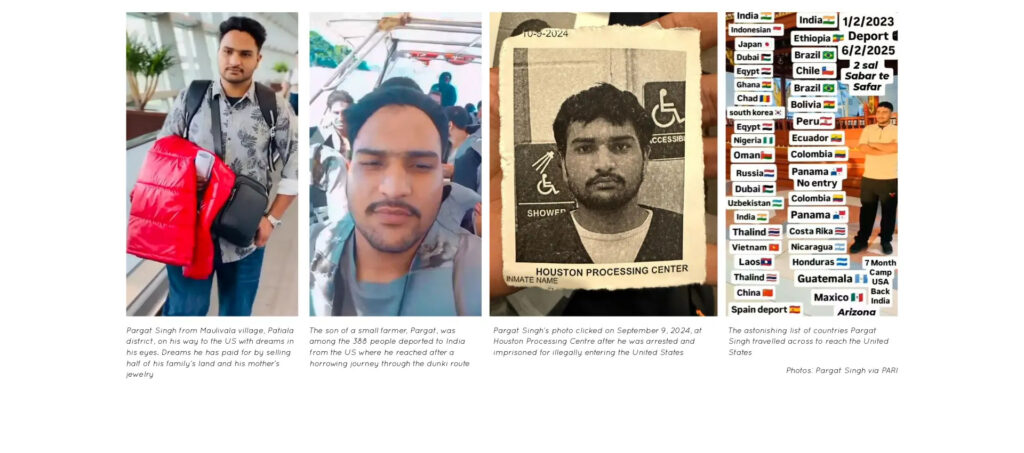
Like Randeep, Pargat Singh, a Jat Sikh and only child of a small farmer from Maulivala village in Patiala district, also wanted to reach the US. Seeing his father, 45-year-old Major Singh, unable to come out of the debt cycle, and noticing him being humiliated in the mandis when trying to get their paddy lifted at the minimum support price (MSP), he decided to move away from agriculture.
After doing a course at an Industrial Training Institute (ITI) in Patran in Patiala district, Pargat started a modern dairy farm. But all his four cows died following the outbreak of Lumpy Skin Disease (a highly contagious viral disease afflicting cattle) in 2022. “The state government promised compensation, but didn’t give us a single paisa,” he says. From that time, he started searching for ways of escaping to Europe or the US. Finally, in June 2024, he left on a long journey — called the dunki route in Punjab — for the US.
“I landed in Brazil,” says Pargat, recounting his epic journey to PARI. “There, donkers [local guides of travel agents who enable people to enter the US illegally] formed an 80-strong group from amongst us. First, we crossed countries like Bolivia, Ecuador, Colombia and Peru on a bus. Then we were pushed to the jungles of Costa Rica, Nicaragua, Honduras and Guatemala. Finally, we entered Mexico. We had trekked five days through the jungle – with just two days rations in hand.
“For the last three days, we survived only on water. Along the way, we were kidnapped by a mafia for 15 days, who demanded money to set us free. They kept on beating us until we paid them their ransom.” Pargat recalls the journey as if it were yesterday.
The moment he entered the US, he was arrested along with the others and confined to a 10×3 feet cell in a Houston jail in Texas. And remained lodged there for six months. On February 10, he was shackled and put on a Delhi-bound flight from New York. But that was not the end of his ordeal, says Pargat ruefully.
“When I landed in Delhi, the immigration officials threatened to send me to Tihar Jail. I broke down and told them: ‘Why don’t you shoot me? I already have had enough.’” The entire trip cost him Rs. 50 lakhs. It was to pay for that trip that Pargat had sold 1.5 acres of his family’s land, the gold ornaments of his 43-year-old mother Simarjit Kaur, and borrowed money from his relatives.
Randeep’s uncle Dharampal says, “It is our poverty that forces us to travel like animals.” Most of those travelling illegally or returning from the US, are marginal farmers. Lakhwinder Singh, 24, an unemployed cousin of Randeep, says “an educated person earns Rs. 10–12,000 here in Punjab. A postgraduate earns Rs. 15,000. What can you do with that? The government has given income tax exemption up to Rs. 12 lakhs. Have you heard of anybody earning one lakh a month? People often blame youngsters for going abroad, but what has the government here offered them?”
It has been eight days since Randeep’s death, but mourners continue to pour into his home. The moment anybody walks in, Balwinder Singh’s eyes look at them with a quiet hope, as if clinging to a fading dream.
The wails get louder. “Oh putt, ikk baari aaja. Ikk baari keh de, ‘Mummy main theek haan. Mera raula jhootha.’ [Son, come back just once. Just once, tell me, ‘Mom, I’m okay. News of my death is untrue’].” Randeep’s 52-year-old mother Gian Kaur wails, unable to talk further – a sound that echoes endlessly. The other women try to console her, but her wails rise with her distress.
As we prepare to leave, Balwinder slowly rises from the sathar. He quietly follows us to the door. With the words dying in his throat, he says, for the last time: “Body lai ke aaun da dekho.” His words seem to have been already lost in the cacophony over ‘illegal immigrants.’
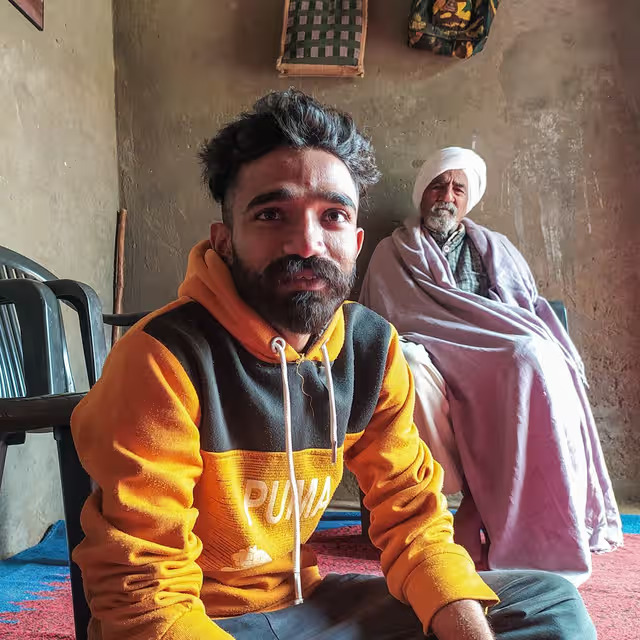
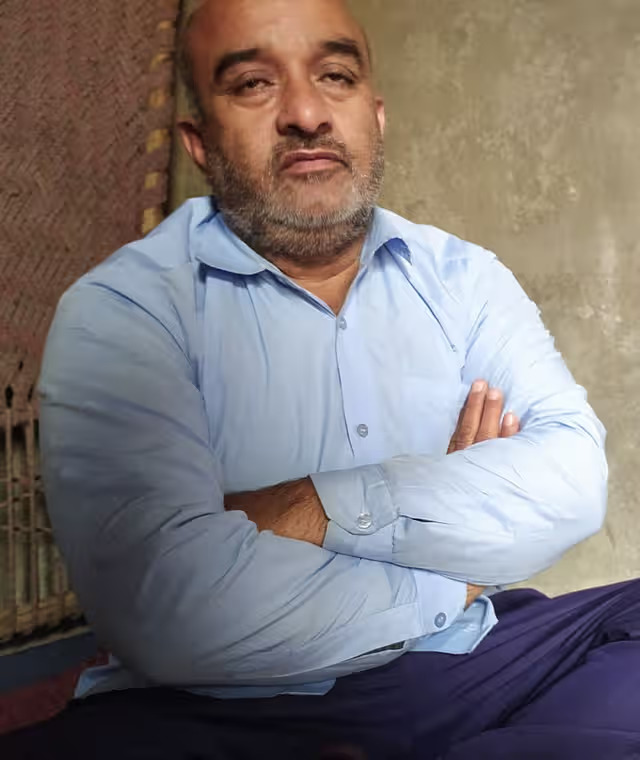
Photos: Vishav Bharti/PARI
Postscript:
Around a month after Randeep’s death, Balwinder Singh’s son came home. Randeep’s body arrived in India and his last rites could finally be conducted at his village on March 19. But it came at a heavy cost — the family paid over Rs. 6 lakhs towards transportation expenses, while being sucked deeper into debt. They have no idea at all of how they will repay that debt.
Pargat, meanwhile, shared videos and photographs with PARI that he had shot during his journey across nine nations shepherded by illegal traffickers. These include a clip of a boat ride during his group’s journey from Colombia to Panama and another of their travel through the jungle in Panama just as they were about to enter Mexico. Also, a few frames of an awful accident they met with in Mexico while being recklessly driven at high-speed to a ‘safe location.’ Many of the group were injured. An earlier deadly accident in Colombia saw the death of two of Pargat’s fellow travellers – but that footage is not included in this video.
It’s a tale of two immigrants – but also of the torment of thousands of others.