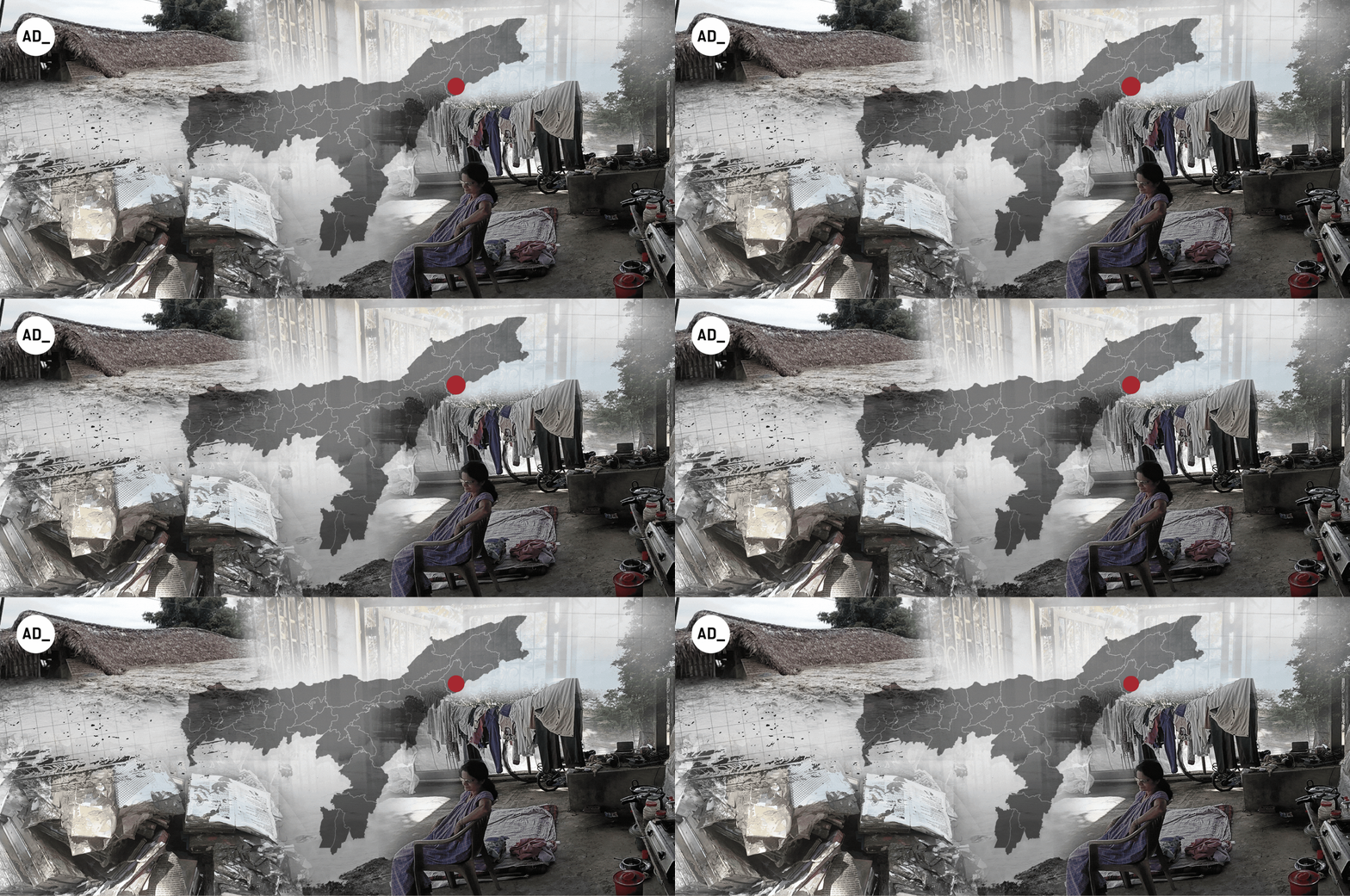
A regular trip to her maternal home turned into a nightmare for 43-year-old Manoshi Goswami when she found herself and her seven-year-old daughter stuck in the middle of floodwaters in Upper Assam’s Sivasagar district in Nazira town.
Goswami reached Sundarpukhuri village in Nazira on July 10 and travelled to Golaghat district (approximately 100 kms) with her daughter to visit her relatives in the morning on July 19. It had rained continuously the previous night, Manoshi recalls and says by late afternoon the water levels had started rising rapidly, reaching critical levels. Goswami’s 85-year-old mother was at home in Nazira when she received a call from one of her uncles about water entering their house.
“They [my uncles] put a chair on top of the bed to make an elevated area and had her [my mother] sit on top of that.” But as the water levels rose, “my mother began panicking when she felt the water rise to the level of her ankles and then to her knees.”
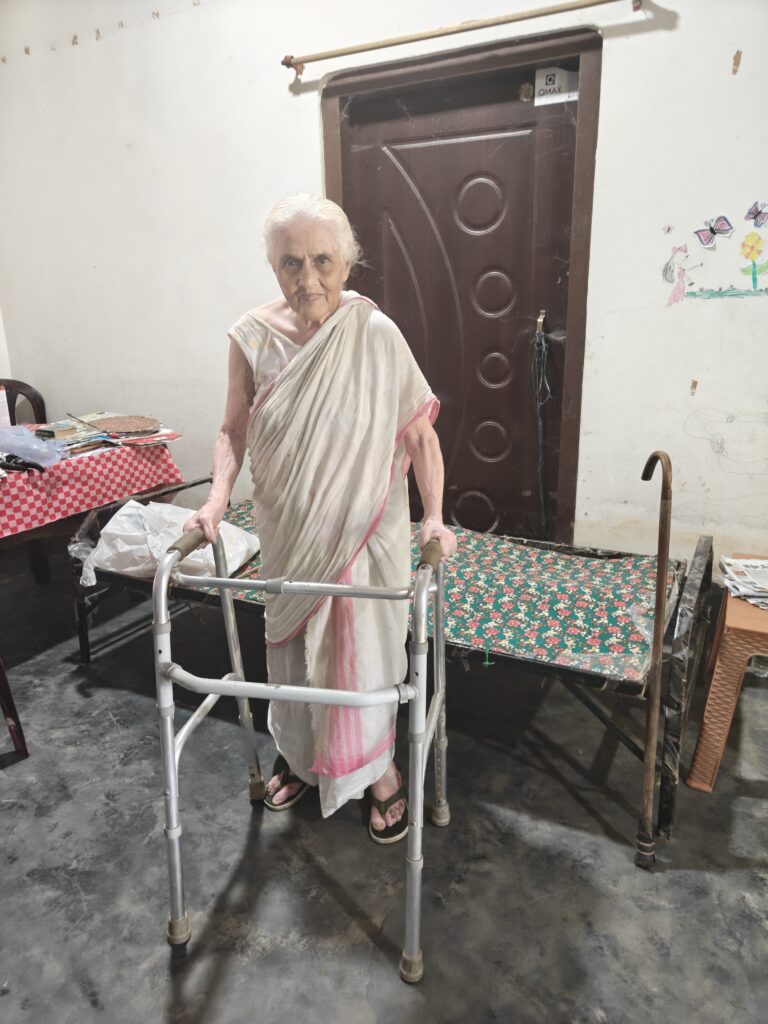
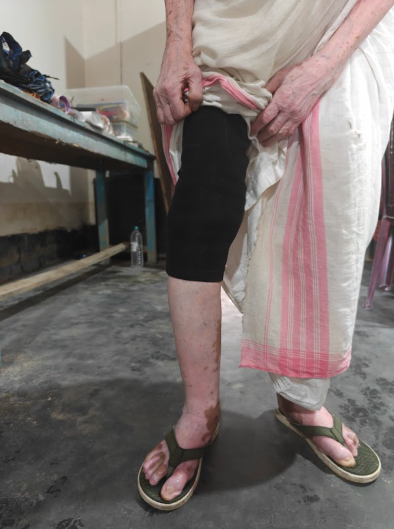
85-year-old Bulu Goswami told us that her bed began shaking violently because of the force of the water, which made her fear for her life.
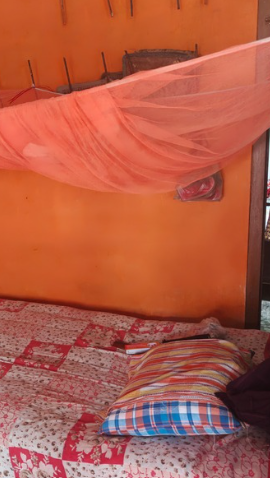
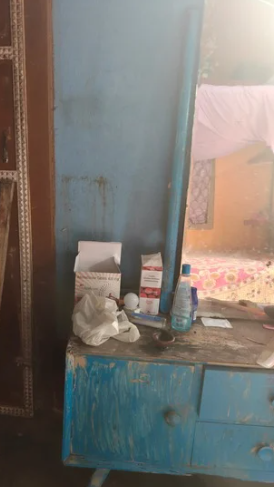
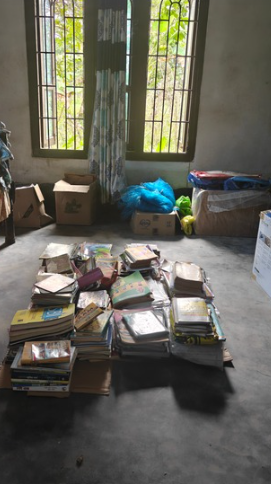
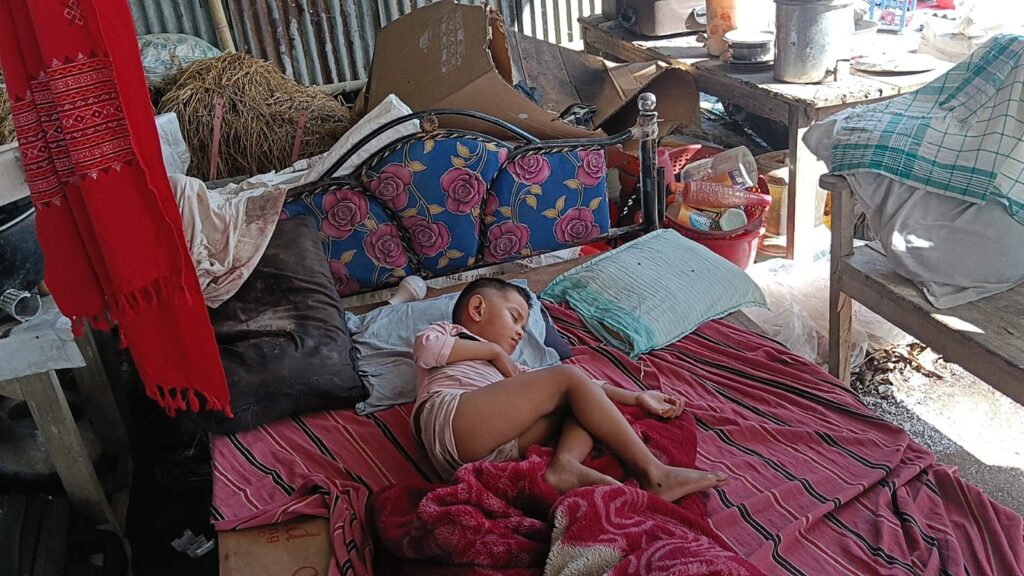
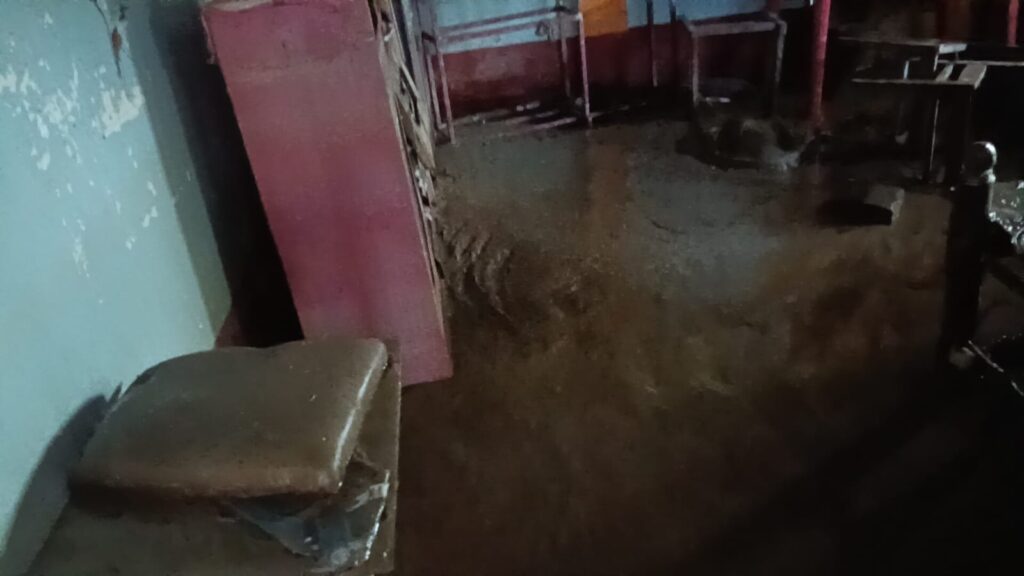
Goswami said that the speed at which the disaster unfolded made it difficult for people to save their valuables or other important things. “The whole village was inundated in 30-45 minutes,” she said.
Both Golaghat and Sivasagar were two of the affected districts during the July 2026 floods that claimed the lives of nearly 100 people. While Assam experiences floods every year, this year’s floods impacted several districts in Upper Assam, including Charaideo, Jorhat, and Dibrugarh which have never experienced anything at this scale.
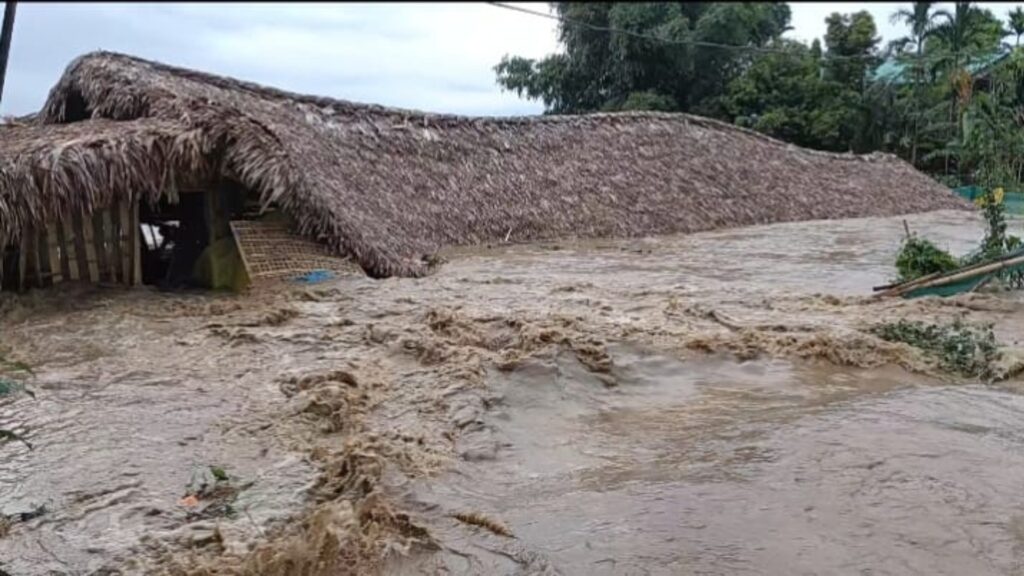
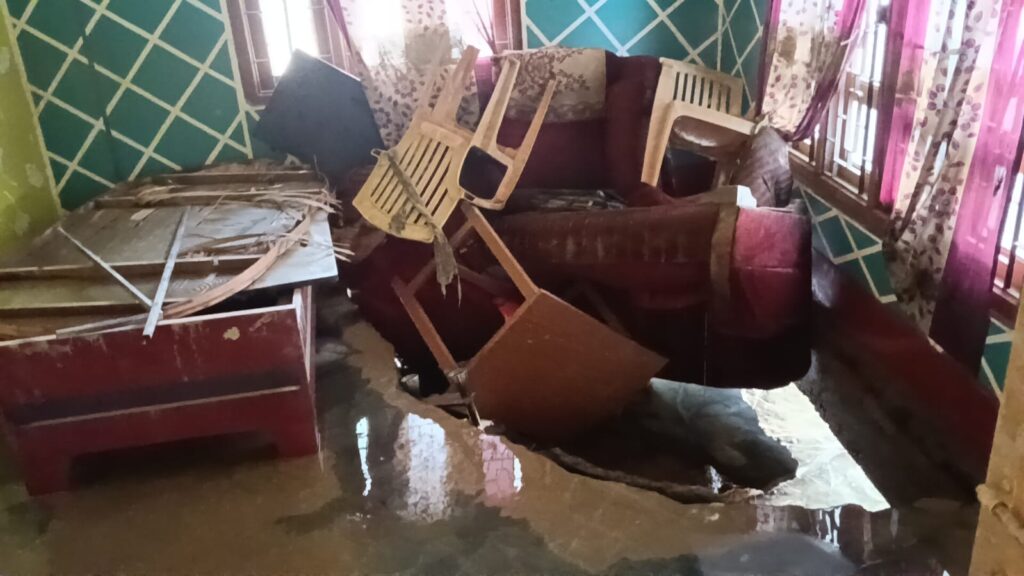
Momita Sharma, a local homestay owner, said, “I am above 50 and I have never seen anything like this. We didn’t sleep that night. There was two-three feet of water inside our house. Our car, two-wheeler, sofa, electrical equipments all got ruined.”
On the other hand, while Bulu was stuck at home, Goswami and her daughter, Darikee Anagh, had started their journey back home from Golaghat. She said she was worried for her mother’s safety and knew that it would be difficult for her if the water levels rose dangerously.
‘No Help Arrived’
Goswami alleges that she, her husband, and her sister tried calling for help but no one came.
“We called all the publicly available numbers,” Goswami’s husband Nituparna Rajabongshi said, adding, “We called the SDRF [State Disaster Response Force] helpline, the numbers available on the Assam Disaster Management website, and even the fire department. But kept encountering dead ends.”
According to them, most helplines were unreachable. “One of the numbers picked up, but they were based in Guwahati. They assured us that help would be sent and information has been passed to the local team. However, no one from the local team contacted us back,” Rajabongshi said.
However, according to Assam State Disaster Management Plan 2022 and Sivasagar Flood Contingency Plan 2026, the fire department has the responsibility of rescuing and relocating people in the event of a flood.
The fire department was, in fact, a part of the rescue operations in Sivasagar district.
Several other locals we spoke to shared similar stories.
Navajyoti Kalita, a 37-year-old resident of Sundarpukhuri, told us that most people in the area were evacuated by their own families or neighbours.
“There were a few families who lived near the Dikhou River who owned some small boats. I saw boys from those households rescue people with those boats. On July 21, I saw a disaster response team near my house. We had been stuck on the terrace of our house for two days by then. The boat had been struggling to reach closer to where we were and so I was signalling to them an alternative route but they turned and left,” he says.
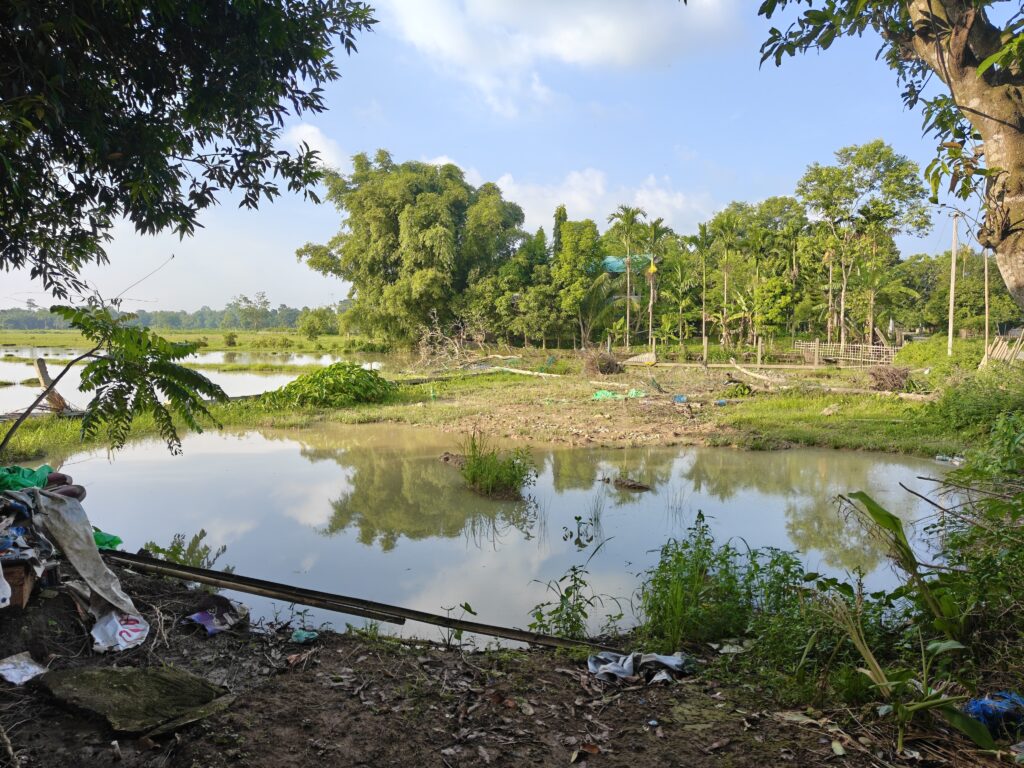
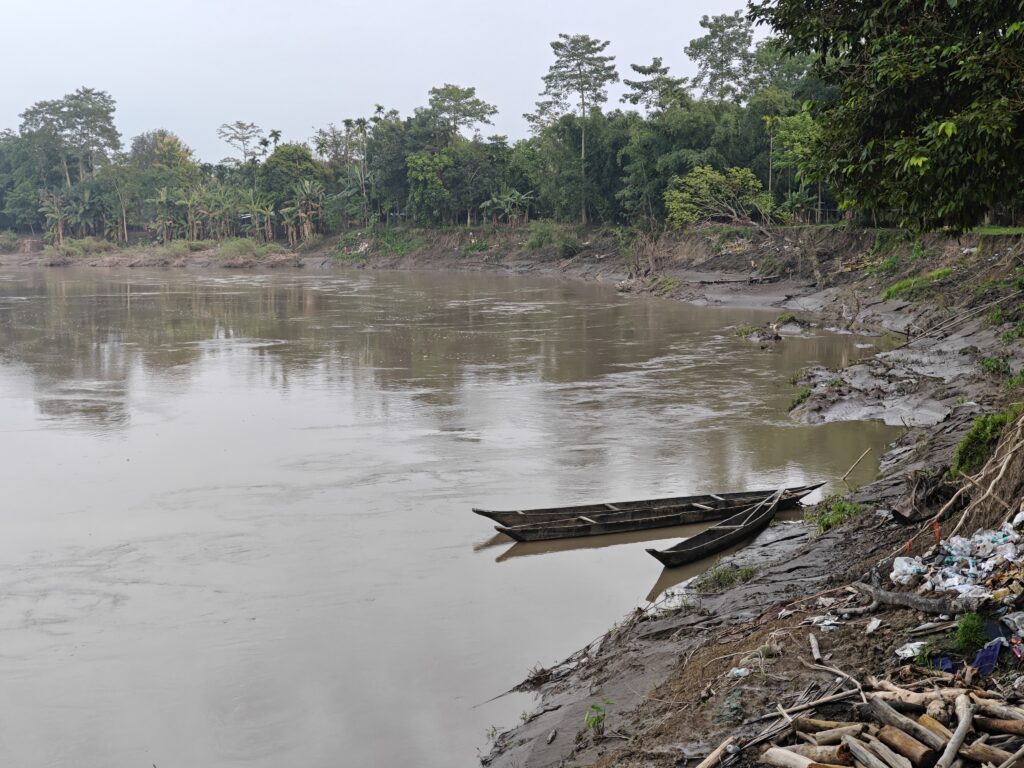
Kalita says days later the water receded, but no useful help came.
He also narrated an incident where a six-month old was separated from his mother. He said that the family’s friends had come to rescue them and the infant’s mother handed him to them. But before she could be rescued, the water level rose and she was separated from her baby for the next few days.
Asian Dispatch has reached out to the fire department, ASDMA, SDRF, and Sivasagar district commissioner’s office for a comment. The story will be updated if and when we receive a response.
Goswami reached Nazira town around 7-7:30 pm but was still five to six kilometres away from her village. The flood water had started to accumulate and the roads were inundated. So she decided to stop and took shelter in her cousin’s building.
“The building was of two floors. The ground floor was fully constructed and the floor above was under construction. Once the flooding began in Nazira town, the entire ground floor became submerged. We sat on the first floor, surrounded by bags of cement and construction materials. There was no electricity and a small rudimentary bathroom, thankfully with running water. We had to save our phone batteries and call once in a while to rescue helplines with not much success,” Goswami, who was stuck in this building until July 23, said.
She, however, was deeply worried about her mother during this period. Goswami, an environmentalist by profession, witnessed the difficulties elderly and other vulnerable groups faced in such a situation.
Double Whammy
Various global studies, reports, and even the Assam Disaster Management Plan 2022 categorises elderly, women and girls, children, and persons with disabilities as highly vulnerable to disasters and underscores the need for an inclusive response plan.
The residents of Sundarpukhuri village also said that the homes that had elderly, bedridden, and disabled people in their homes had more difficulties in evacuating, especially in the absence of lack of trained support.
A 105-year-old woman was stuck inside her home for a week as her family couldn’t evacuate her, reported NDTV. In another instance, a 97-year-old was evacuated on a makeshift banana raft.
Goswami’s mother also was rescued by a young man in the neighbourhood a little later on July 19, while her uncles took shelter on the terrace.
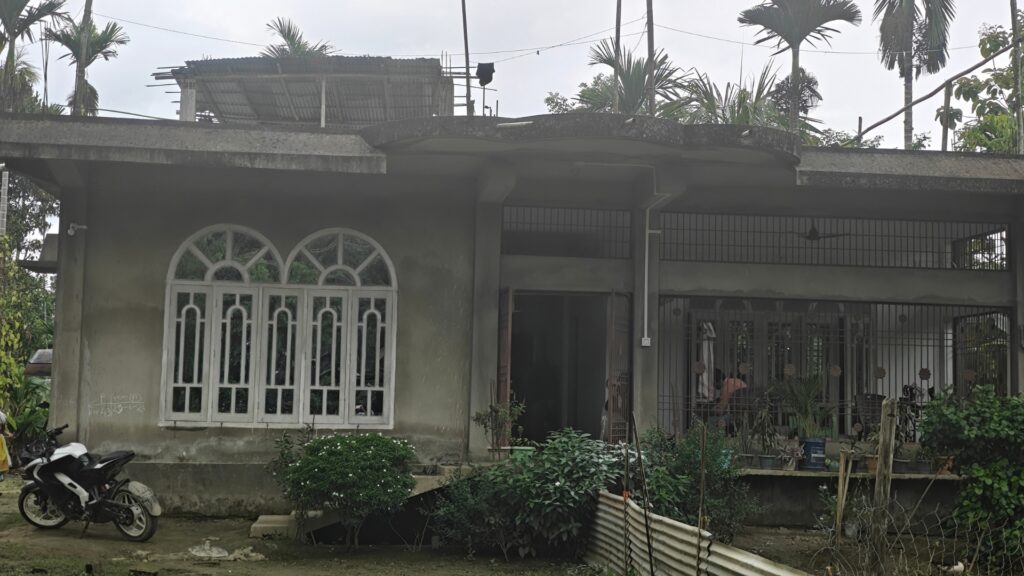
Locals also told us about the challenges that younger women faced.
Kalita’s wife, 37-year-old Barnali Das, was on the first day of her period when the flood hit.
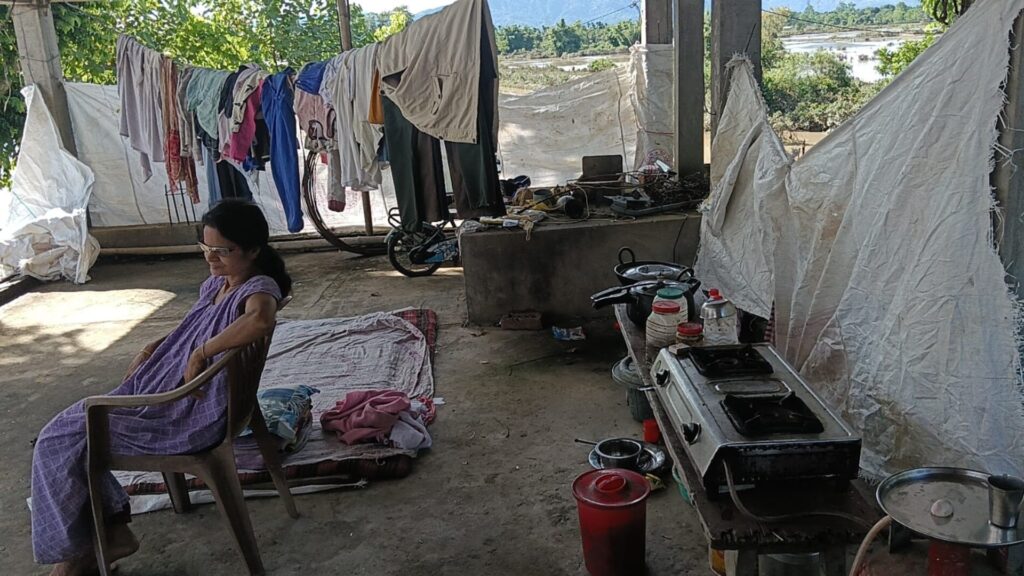
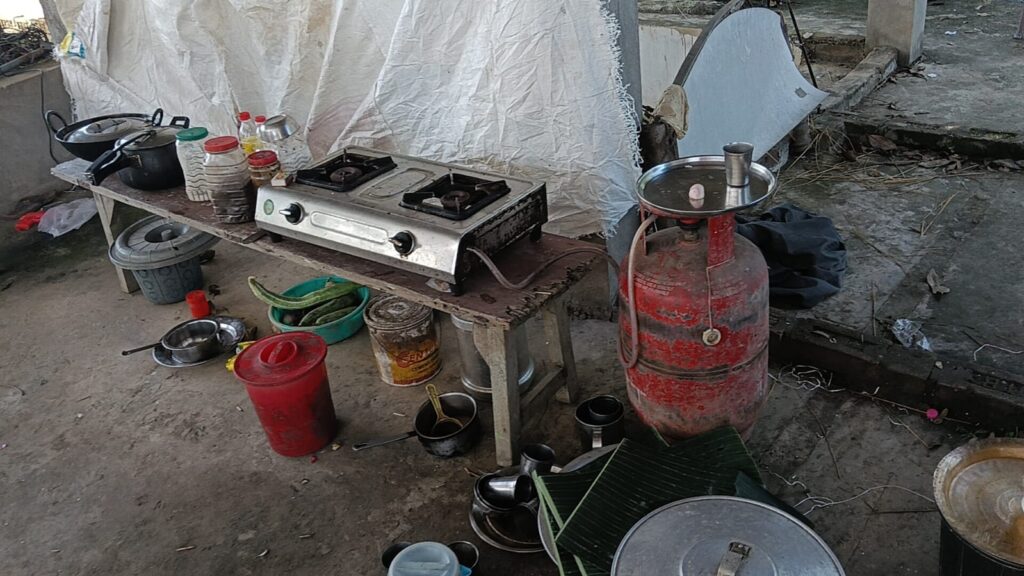
Das’ family ended up cooking the rice that was soaked in water because the children had to be fed. She was scared that they would fall sick because of the food. The drinking water they had was the little that was leftover in the tank on the roof. They poured it out into a mug and left it for sometime. “The dirt settled down and then we drank the clean water that was left on top,” said Kalita.
Goswami’s mother, too, couldn’t eat or use the restroom during this period.
“She avoided drinking water or eating food as she was worried about using the restroom, which was flooded. She also felt embarrassed to ask people for help to be taken to the restroom,” added Goswami.
According to an article in the India Development Review, women often refuse food to avoid defecating during the floods in Assam. The article highlights lack of privacy and the risk of sexual violence as two major concerns.
Sevantee Ghosh, a doctor with experience in disaster relief, told us that women are often reluctant to stay at relief camps fearing sexual violence. She says because there is no private space or division of space based on gender, women feel unsafe.
While women safety, mobility, and sanitation are some major issues, Goswami also pointed out that lack of hygiene leads to diseases that could particularly impact children.
“There were mosquitoes and we were worried about whether she [my daughter] would develop any mosquito-borne diseases,” said Goswami.
Nabajit Hazarika, an environmental scholar and a faculty at Cotton College, Guwahati, calls this a secondary hazard.
He said that health issues, lack of sanitation, diseases that spread due to contaminated water, and deaths that occur due to that are all examples of secondary hazards. These do not get noticed quite often because they are not as dramatic as a natural disaster like a flood.
He added that elderly and children are also at a higher risk of falling ill due to their lack of immunity.
Hazarika suggests improving the healthcare system to be able to manage illnesses that happen after such disasters and also improve the sanitary systems as floods often overwhelm it and contaminate the sources.
Looking Ahead
While locals say that a quicker disaster response from the authorities might have prevented the situation faced by the residents, Puthumai A Nazarene says that relying on national or state disaster response teams during such a situation may not be the best idea.
RedR India is a non-governmental organisation focusing on disaster-risk reduction through capacity building of individuals and organisations.
Suggesting a decentralised approach, Nazarene firmly says “everyone must be prepared for such unprecedented disasters.” Nazarene has been conducting training workshops on disaster preparedness in Assam since February 2026. He recently conducted a training for a group of men and women in Guwahati on disaster response. These trainings were conducted in collaboration with the state government.
Nazira has never experienced flooding at this scale. However, a flood contingency plan for Sivasagar district focuses both on preparedness and response in event of a disaster. It identifies a trained district level response team and also mentions the phone numbers of local resources.
Another plan for the district for the year 2025-2026 lists “make people aware and prepare themselves to sustain with disaster with the use of their local resources and capacity building” as an objective.
“That [information] has not been disseminated to the public on the ground. Who accesses a government website in remote areas? Forget about others, even the panchayat leaders don’t know about this,” Goswami quipped.
Asian Dispatch has reached out to the district administration to understand if the plan was implemented. The story will be updated if and when we receive a response.
‘Strengthen Communication’
Nazarene also suggested strengthening the communication infrastructure so that people can reach out to the rescue teams in such situations. He suggested:
- Helplines need to adapt to respond to disasters appropriately.
- Manpower working on the helplines need to be increased such that every call is attended.
Hazarika also presented a similar assessment. According to him, a state can only be considered adequately prepared if it has anticipated and built systems to respond to every possible worst case scenario.
Meanwhile, Goswami has submitted an action plan for Sundarpukhuri to the government. She has included identifying community volunteers, strengthening local government’s ability to respond to disasters, and also improving the community’s resilience to withstand these disasters.
She has also suggested developing a contingency fund at the village or panchayat level for disaster management and fostering community level leadership.
While preparedness, relief, and rescue is one aspect, the disaster has left a deep mark on the minds of those who found themselves stuck in the middle of it.
“I’ve noticed that my mother doesn’t sleep well these days. She often wakes up and asks about the stuff in our home. I can tell that she is really sad about the things that were washed away. Many of them were things that belonged to our dad who passed away last year,” says Goswami.
Her daughter, on the other hand, is fearful. A month after the floods, Goswami’s daughter drew a picture of the floods. She called it “the earth crying”.

“She starts crying if we see heavy rainfall or if the conversation drifts to floods even now.”