
Earlier this month, India and Pakistan engaged in a military conflict over a course of four days, until a ceasefire was brokered on May 10. Alongside, the two nuclear-armed countries were embroiled in a hailstorm of misinformation, disinformation and propaganda, fuelled by state-backed mainstream media and unverified social media content.
Mainstream TV channels showcased bombings, drones and “invasions” using unverified footage, speculating hour upon hour, and goading their respective militaries to annihilate the other. Internet and network blackouts disrupted communication and the people, desperate for news, had no option but to sift through the barrage of information and videos to judge the truth for themselves.
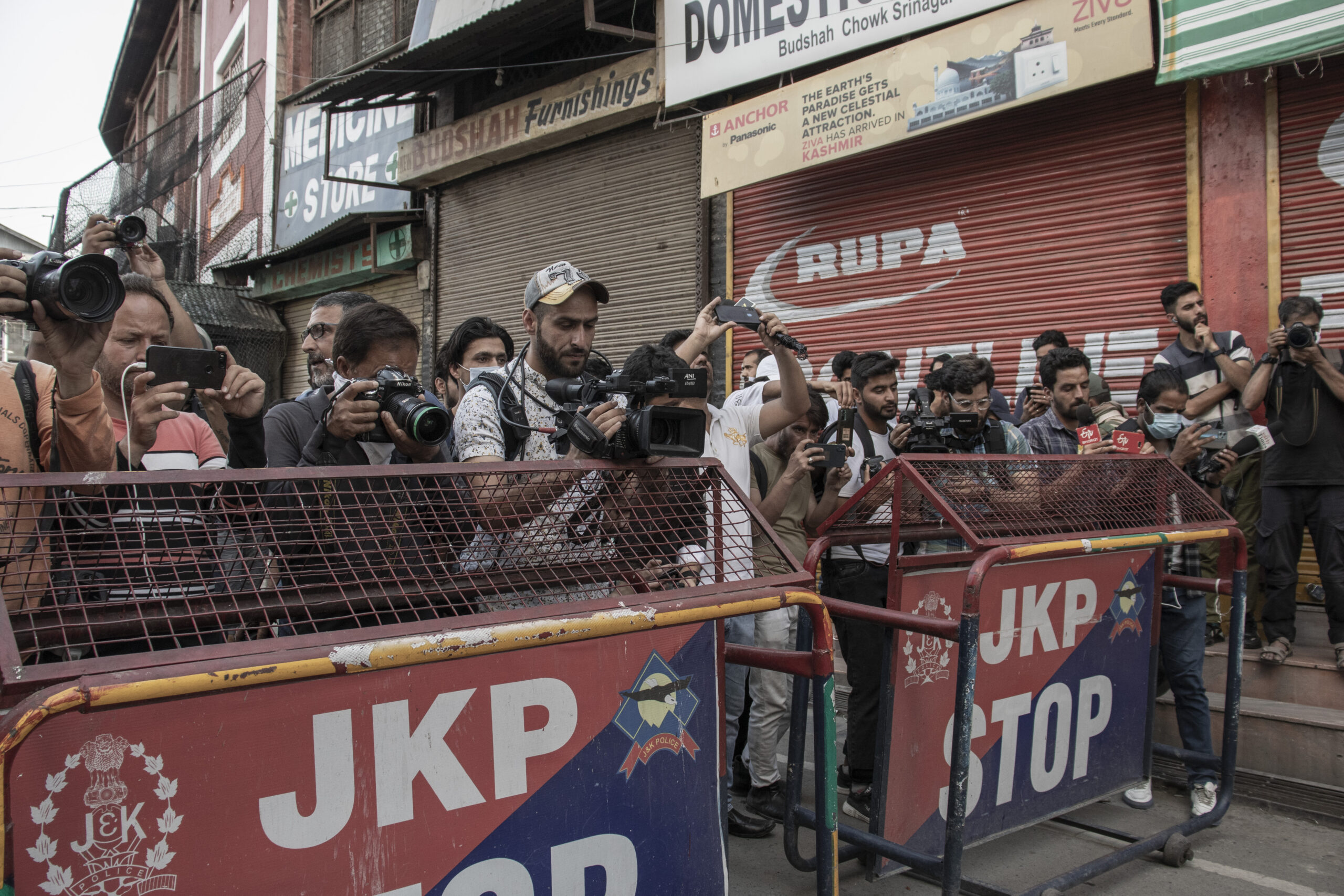
In the middle of this, journalists on both sides of the border fought a parallel war where they struggled to access impacted areas and report from the ground.
“Independent journalists are the first to reach [impacted] areas, and often the only ones who continue coverage when legacy media goes silent, without any TRP-led bias,” says Suhail Bhat, a Delhi-based journalist from the Union territory of Jammu & Kashmir. TRP refers to Television Rating Point, a metric used by channels to measure the popularity of a segment to determine revenues. “But still, I was stopped by forces many times simply because I’m not affiliated with any particular media house,” Bhat adds.
National and international media outlets are able to provide press cards and appropriate gear to their journalists, while freelancers operate without them. But reporting under editorial mandates of legacy media often means that some crucial stories and aspects can slip through the cracks — a gap that needs local and independent journalism.
“[Non-local journalists] will report that this many people are dead, this many injured, but it’s as if bhed bakriyan mar rahi hai [sheep and goats are dying]. The people have names, families, homes and towns they’re leaving behind. But they’re confined to numbers, or not treated as humans but subjects for stories,” said Gafira Qadir, an independent journalist from the Union territory of Jammu & Kashmir.
The media industry also prioritises viewership and ‘story breaks’, which often means that reporters are sent to the ground at the last moment to capture the first impressions – irrespective of the context. At that, legacy media houses ensure appropriate gear, security checks and access for their journalists. These assets are not provided to freelancers by the newsrooms hiring them on contract for specific assignments.
“TV news channels based in New Delhi always have the upper hand when it comes to access as compared to local reporters. We see it in front of our eyes—a TV reporter can cross a line that other reporters cannot,” said L*, another journalist from the Union territory of Jammu & Kashmir.
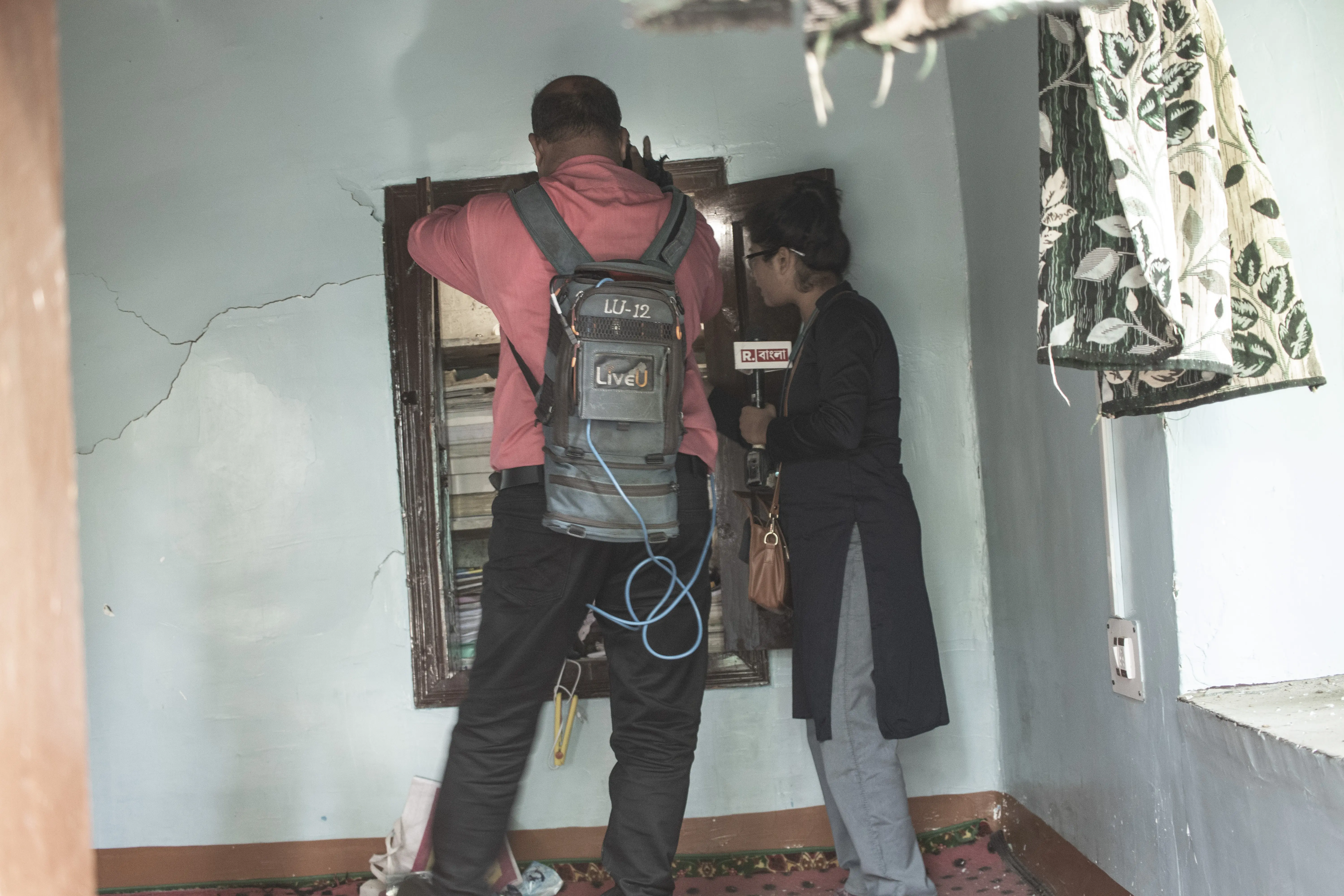
This inequality of access leaves opportunities for sensationalism by certain sections of the media in order to influence public sentiment.
“We’re in these times when the health of the industry isn’t looking good, and people’s faith in the media is at its lowest. At the same time, great journalism is still happening and a lot of it’s coming from independent journalists,” said Karan Deep Singh, an independent journalist and a former Staff Reporter and Visual Journalist with The New York Times and The Wall Street Journal.
Reporting from the frontlines is a different ballgame, and media watchdogs like the Committee to Protect Journalists (CPJ) highly recommend the use of Personal Protective Equipment (PPE) like vests and helmets while covering war zones.
While that is often not an option for independent journalists, proper safety measures aren’t a priority even in established newsrooms, says Kunal Majumdar, CPJ’s India representative.
“There are no mechanisms, no due diligence, not even a basic safety checklist. Does the journalist have a backup plan? An exit strategy? No one takes safety seriously, and the excuse is always cost. Newsroom managers need to understand that journalist safety isn’t just about expensive equipment—it’s about having a clear safety strategy in place,” adds Majumder, formerly a Delhi-based editor with media houses like Tehelka and The Indian Express.
In Kashmir, access is particularly challenging, and journalists are already at risk due to government clampdowns on both sides. During a full-blown conflict, these challenges were exacerbated.
Singh, the Delhi-based journalist, believes that the industry pressure to be the first to publish, combined with how hard it is to make a living off journalism, means that safety and training often take a backseat.
“Most journalists can’t think about it because they’re really trying to get the story, and their entire situation has been so perilous. The industry puts a lot of pressure, and only if they get the story do they get the paycheck. So safety, even for some newsrooms, is an afterthought,” said Singh.
Bhat says that the contracts he signs for a story as an independent journalist for international organisations might be 50-pages long, with clauses on deadlines, compliances and legal liabilities. But safety is not addressed.
“Rarely, if ever, do they mention what happens if the journalist gets injured, arrested or harassed. There is no word on insurance, safety briefings, ethical trainings, or even equipment support,” said Bhat.
On the other side of the border, Islamabad-based journalist Haroon Janjua said that even as drones hovered overhead, the organisations he works with did not provide any protective gear, nor has he received any HEFAT [Hostile Environment and Emergency First Aid Training] yet. This experience was mirrored by all journalists Asian Dispatch spoke to, in both India and Pakistan.
“This lack of gear significantly impacted my ability to work, preventing me from going on the ground to gather accurate and fair information about casualties and the emotions of those affected by the war,” said Janjua.
Others said that the lack of gear doesn’t affect the coverage, because the story must still be told.
“Journalists risk their lives to get the story out. The public sees the news, but they don’t see the emotional, mental, and physical toll it takes on the person behind the camera or mic. That’s the real cost,” said Pakistan-based journalist D*, who requested anonymity to protect their identity over fears of industry backlash.
The Journalist versus ‘Creators’
On May 10, Badar Alam rushed from Islamabad to Lahore to his daughter, who was nervous about the conflict. Upon reaching, he found that the major source of his daughter’s anxiety were Instagram accounts that were posting updates on areas that had been attacked. One of the recent updates that had shaken her was a post about blasts less than 2 kilometers away from her Lahore home. This was not true.
Alam, a seasoned Pakistani journalist, was aghast, and told his daughter that if there really were blasts that close to their home, she would have heard something. “Wouldn’t people around them feel the impact?” he asked her.
Pakistan-based journalist D* said this conflict saw many emotionally-charged local people filming and sharing content using smartphones, without verifying facts.
This negative impact of social media content creators is twofold: It can spread falsehoods, and it undermines journalists trying to find out the truth.
“Local ‘citizen journalists’ were quick to report from their areas whenever a missile or drone hit. They filmed what they could and gave live commentary – often without using the right words, checking facts or understanding journalistic ethics. The rush for instant content and social media engagement is replacing responsible reporting,” said D*.
Journalists and independent newsrooms in both countries are being increasingly targeted and silenced through raids, censorship, intimidation via legal actions, corporate takeovers, court summons, and outright arrests and detention.
This problem is amplified in the Union territory of Jammu & Kashmir, where the Kashmir Press Club – an independent media body – was shut down, making it difficult for freelance journalists to get accreditation, which is an official acknowledgement of a journalist’s credentials.
“Since 2019, we have had ‘Facebook journalists’ who found an opportunity [in the lack of accreditation], resulting in some of them operating very unethically while calling themselves journalists. They don’t ask people before filming and upload their videos online. And then [when we approach people for actual journalistic work], people won’t talk to us because they have been mistreated by these social media creators,” said Qadir. “They put [their content] on Instagram, and make Reels. They’re not reporting, they’re selling.”
Divided by Borders, United in Suppression
Since their partition in 1947, India and Pakistan have come to blows three times over disputed territories, particularly in Kashmir. Currently, different parts of Kashmir are administered by India, Pakistan, and China.
But it’s not just disputed borders that separate the two countries. India and Pakistan’s separation was influenced by an enduring belief that one should be a nation for Hindus, the other for Muslims, and that these two identities are incompatible.
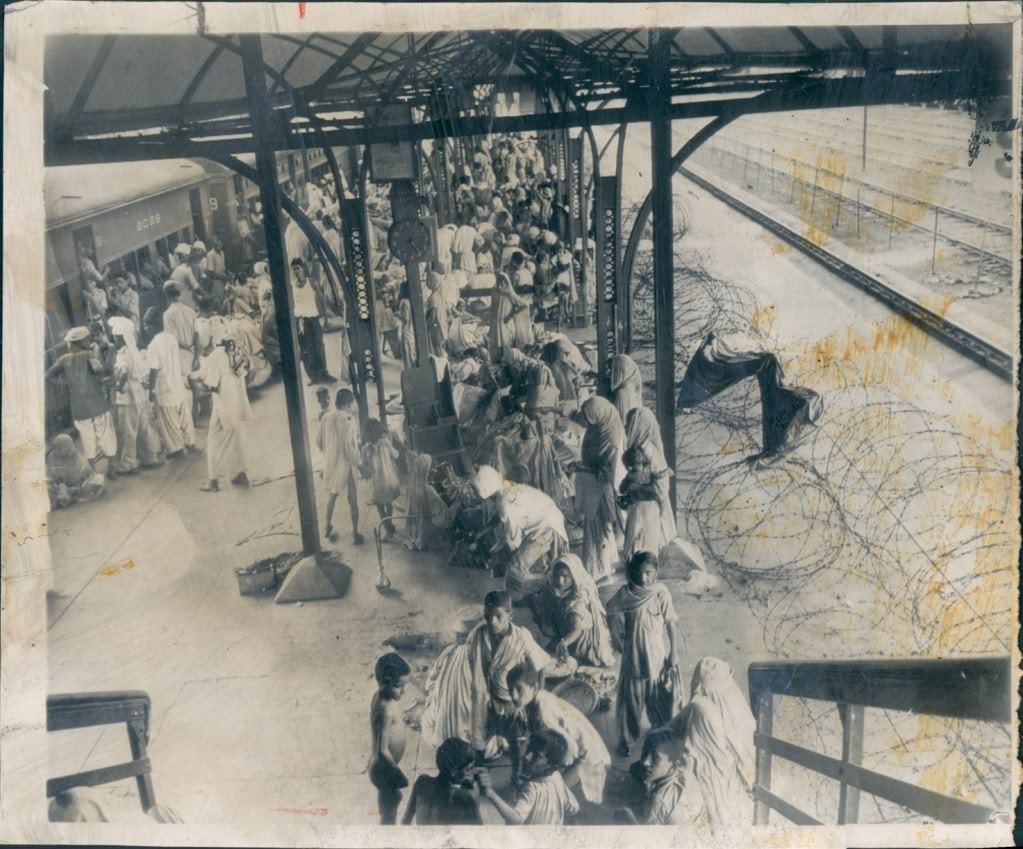
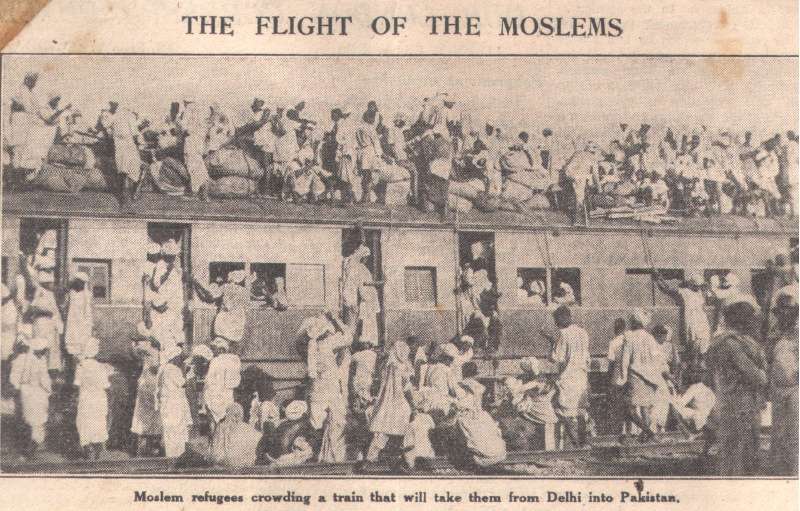
Attacks and persecution of minority populations in both India and Pakistan have been increasing. In Hindu-majority India, over 200 million Muslims face rising discrimination, hate and violence, while in Muslim-majority Pakistan, Hindus are among the top minorities who face religious persecution and violence such as forced conversions.
And with restrictions on cross-border communications, travel and trade, successive governments and militaries have controlled public perceptions.
“We’re working in an atmosphere that’s politically charged on both sides, and both sides seek to gain politically from the conflict. So as journalists, our job is very crucial because we are media-literate, and we can see through propaganda versus hard-core evidence-backed information,” said Singh.
Often, it’s the local journalists who are able to get that evidence.
“Independent journalists can move anywhere, without any kind of set direction in our heads, or from our bureau chiefs. So in that way, we are free to document what’s happening on-ground,” said Adil Abass, a 30-year-old independent journalist from the Union territory of Jammu & Kashmir.
Alam, co-founder of Islamabad-based magazine Earthwise, says that the media response on both sides during this conflict was worse than any he had ever seen, not during the Kargil war, during terrorist incidents, slug fests or shouting matches.
“During this conflict, journalists simply lost their ethics in a way that they never have on both sides of the border. This was something different. The state was following what the media was doing, and the media was egging the state to annihilate the other side. And journalism really died in that battle,” he said.
But he believes that like all challenges, it presents an opportunity, even a collaboration between like-minded sane voices from both sides.
“Journalists who do not monger war, who are sick and tired of the lies and fabrication in the news, social media and by the state, must step forward with the courage to hold hands across the border and work together,” said Alam. “It’s a huge challenge for Pakistani and Indian journalists, but that’s what the spirit of journalism is—to be able to take the first step in that direction.”