
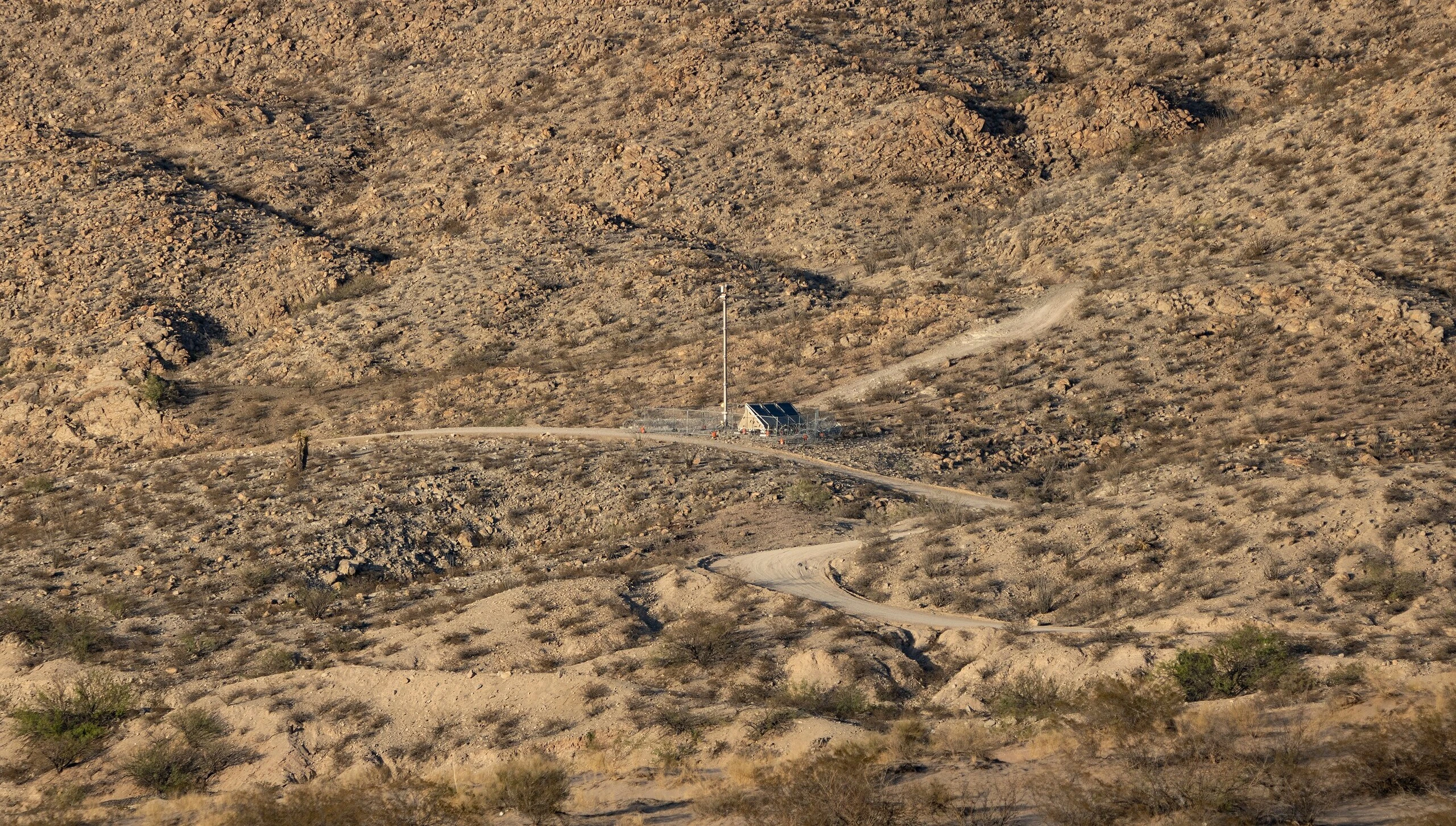
The return of twelve Indian nationals, deported from the United States to Panama, raises critical questions about the complexities of irregular migration and the role of international organizations. This group, part of a larger cohort of undocumented immigrants targeted by US deportation policies, was routed through Panama before reaching Amritsar. This repatriation has been facilitated by the International Organization for Migration (IOM) under its Regional Assisted Voluntary Return Programme. The IOM’s involvement, encompassing logistical support like travel arrangements and oversight, emphasises its increasing influence in managing irregular migration flows. However, these “voluntary” returns, the circumstances surrounding these deportations and the fact that these individuals were initially deported to Panama, not India raise concerns about the agency of migrants and the ethical dimensions of such programs.
Earlier this month, the harrowing experiences of over 332 Indian deportees during their 40-hour flight from the US to Amritsar was met with widespread concern and dismay over the mistreatment and humiliation. Immediately afterwards, terms like “illegal” started doing the rounds as a blanket label to include all Indians in the US who are without papers or had entered the country without following due process of the law. With nearly 18,000 irregular Indian migrants now awaiting deportation, the news raises questions about the framing of “irregular migration”, specifically from India, the rise in Indians seeking asylum, and donkey routes.
The US immigration system is a complex web of pathways, encompassing visas, humanitarian aid, routes to permanent residency and citizenship, and temporary statuses for those fleeing crises. According to 2024 US Census Bureau data, immigrants constituted 13.9 percent of the US population in 2022 – which is approximately 46 million out of nearly 335 million people. Combined with their US-born children, they represented about 27 percent of the US population. While the proportion of foreign-born individuals has risen since 1970 – when the immigrant population was under 10 million – the 2022 figure remains slightly below the 1890 peak of 14.8 percent.
There’s a confluence of factors at play, like national security concerns post-9/11 or economic anxieties often tied to job competition. Political pressures, including anti-immigrant sentiment, further contribute to a climate favouring tighter controls. These combined forces result in complex regulations, lengthy processing times and stringent eligibility requirements, effectively creating a system that pushes people into irregularity.
The Indian connection
The Office of Homeland Security Statistics (OHSS) puts the number of unauthorised immigrants in the US at nearly 11 million (as of 2022), out of which, an estimated 725,000 (according to Pew Research Centre) are Indians. These numbers comprise those who irregularly entered the US, overstayed their visas or applied for asylum. In 2023 alone, 97,000 Indians arrived in the US following irregular means.
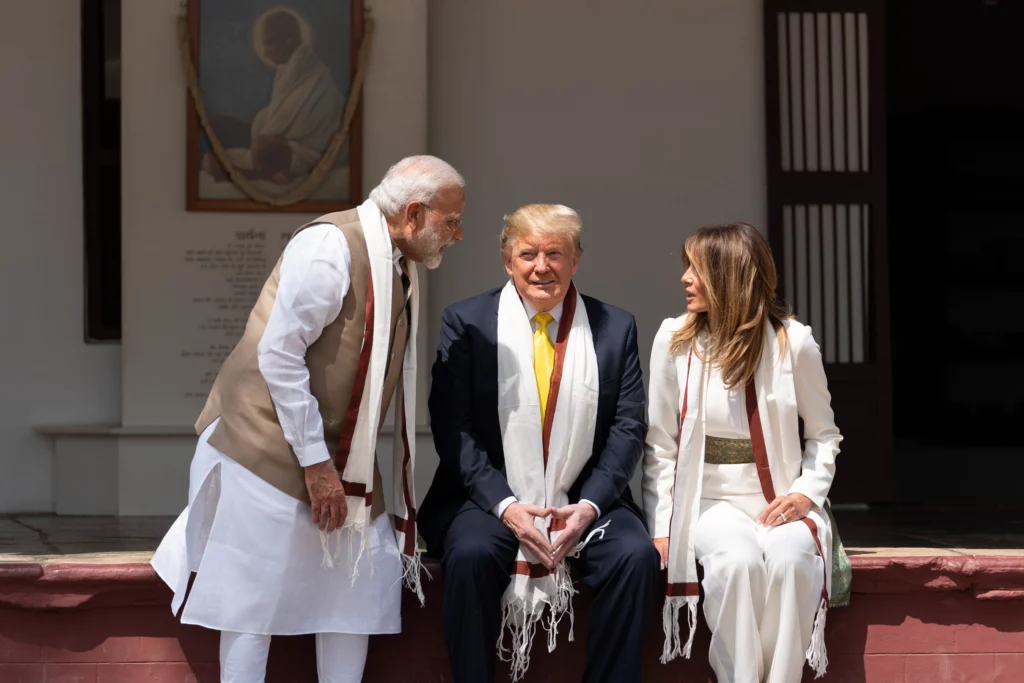
During the US elections, the intersection of immigration and crime were hotly contested topics. When Donald Trump came to power, the threats of deportations became a reality – Indians were among the first to face the brunt of this policy.
Soon after the deportations this month, news outlets reported that another 487 Indians have been cleared for deportation. It’s important to note that deportations aren’t sudden; it’s been taking place since 2009. A total of 15,756 Indians have been deported so far.
In news interviews with deportees, new trends in irregular routes also emerged. Apart from the popular South American route, Indians are increasingly trying to reach the US via Canada, owing to the latter’s friendly visa policies. A 2022 data shows that 1,09,535 individuals attempted to use the Canadian border, out of which nearly 16 percent were Indian nationals. Their share went up in 2023, where out of 189,402 documented illegal crossings, 30,010 were Indians. In 2024, this number increased to 43,764, making it the highest number of Indians along the Canadian border. These figures only include the people caught and not the actual number of people who successfully crossed borders.
The “donkey” route comes at a cost
Most of us in India are aware of the perils of irregular journeys undertaken by young men and women to reach developed nations. The Shah Rukh Khan-starrer Bollywood movie, Dunki, showcased irregular migration from specific Indian states. News around the recent deportation put the focus on the states of Haryana, Punjab and Gujarat. Yet another report found that out of 16,800 Indians seeking asylum at Canadian airports in 2024, 30 percent belonged to Punjab. Gujaratis, meanwhile, comprise nearly half the asylum applicants in the US.
The authors of this report interacted with irregular migrants from Punjab over the years, which reveals how desperation to live overseas leads people to blindly trust dubious agents. In some cases, irregular migrants are aware of the risks involved, but travel anyway. There’s a combination of factors behind why people choose irregular pathways. There’s the promise of a better standard of living, opportunities, diaspora connections and money. In Punjab, one sees it through the multiple public advertisements of coaching centres and travel agencies promising overseas opportunities. Locals are well-versed with the knowledge on “how to settle abroad”. In Punjab’s city of Jalandhar, there’s the Baba Nihal Singh Gurudwara, a unique Sikh temple popularly known as the Hawai Jahaz Gurudwara (Aeroplane Gurudwara) where aspiring migrants offer toy aeroplanes at the altar to increase their chances of moving overseas. Many families borrow money or sell their assets to travel overseas. Studies also attribute the rise of irregular migration to the ongoing agrarian crisis, and the risk-taking ability of some agrarian castes with low educational levels.
In Gujarat’s Mehsana district, on the other hand, almost every family has a member living in the US. Not all migrate following legal channels. Gujarat’s irregular migration became international news when a Gujarati family froze to death in 2022 while crossing the US-Canada border on foot. Their deaths put a spotlight on the dangers of dubious travel agents, who offer so-called solutions like creating a travel history by making people travel across different countries, and ultimately pushing them into irregular pathways.
A usual deal with an agent involves the individuals agreeing to getting smuggled and taking help from “donkers” who provide food supplies, forged documents, and help them navigate a particular route. Donkers, in local parlance, refers to those who help irregular migrants for a fee.
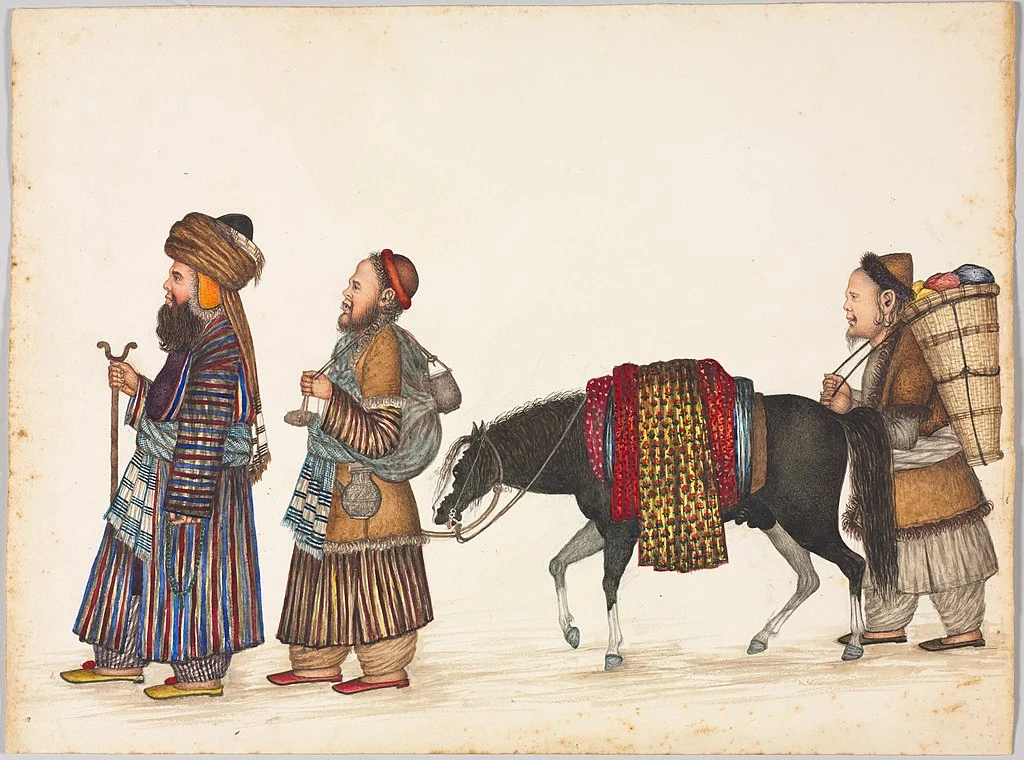
Donkers may change at different points of a journey, thereby revealing a transnational network of criminal operatives. Everything is paid for through cash and via hawala transactions. Our interactions with irregular migrants revealed that they spent between ₹50 lakh and ₹1 crore ($57,352 to $114,705) to reach their destination.
Reports from Punjab, and events like the Malta Boat Tragedy, show how existing Indian laws such as the Human Smuggling Act 2012 or the Punjab Travel Professional Regulation Act don’t stop dubious agents from mushrooming. According to data from Punjab Police, 2,140 cases were registered against travel agents across the state between 2017 and 2019. Out of this, 528 cases were found to violate the Punjab Travel Professional Regulation Act, while 1,107 were for defrauding people under Section 420 of the Indian Penal Code, and 505 cases were under the Emigration Act.
Instead of focusing on this sprawling criminal nexus, media outlets have been spinning a narrative around deportees, chasing them for information and invading their privacy. This results in societal stigma.
Framing Irregularity
In India, government officials admit there’s no accurate data on asylum applications of Indians in the US due to privacy and data protection laws, while also framing the out-migration as an attempt to “denigrate” the country for “personal gains”. The admission of unreliable data is accurate: Migration think tanks and experts struggle with data that is inadequate or difficult to access because data collection relies on border detections, which are only indicative of the overall inflow of irregular migrants. What these documentations miss are nuances such as how individuals may cross a border more than once, or some border crossings not getting detected at all, while some who cross a border later leave or are removed from the country.
While the inhumane treatment in US’s deportation policy is sensitive, the event is unlikely to disrupt the broader strategic partnership between the two nations. India outlined support for legal migration, which the country has historically seen as a “brain drain” of its skilled professionals, particularly in STEM. The irregular migration, however, is reflective of the growing flow of less-skilled Indians. India bears the responsibility of enabling regular migration pathways while also curbing irregular migration. Indian states with large migration outflows must engage with the diaspora, students and the larger population to simultaneously address the root causes of emigration while also dismantling the criminal networks involved in irregular migration.
For those who still dare to dream, maybe it’s time to redefine what the “American dream” means under Trump 2.0. Trump’s suspension of a program allowing sponsored entry for migrants from Cuba, Haiti, Nicaragua and Venezuela, combined with the ongoing deportations of Indian immigrants, suggests a potential shift away from the traditional idea of opportunity and inclusion. Instead, the US is prioritising national security and more restrictive immigration practices. This evolving perspective has significant consequences for both the individuals hoping to build a future in the US, and for the latter’s global image in an interconnected world.