
Forty years after the world’s worst nuclear accident, Ukraine’s Chernobyl nuclear power plant faces renewed safety risks because of Russia’s ongoing invasion.
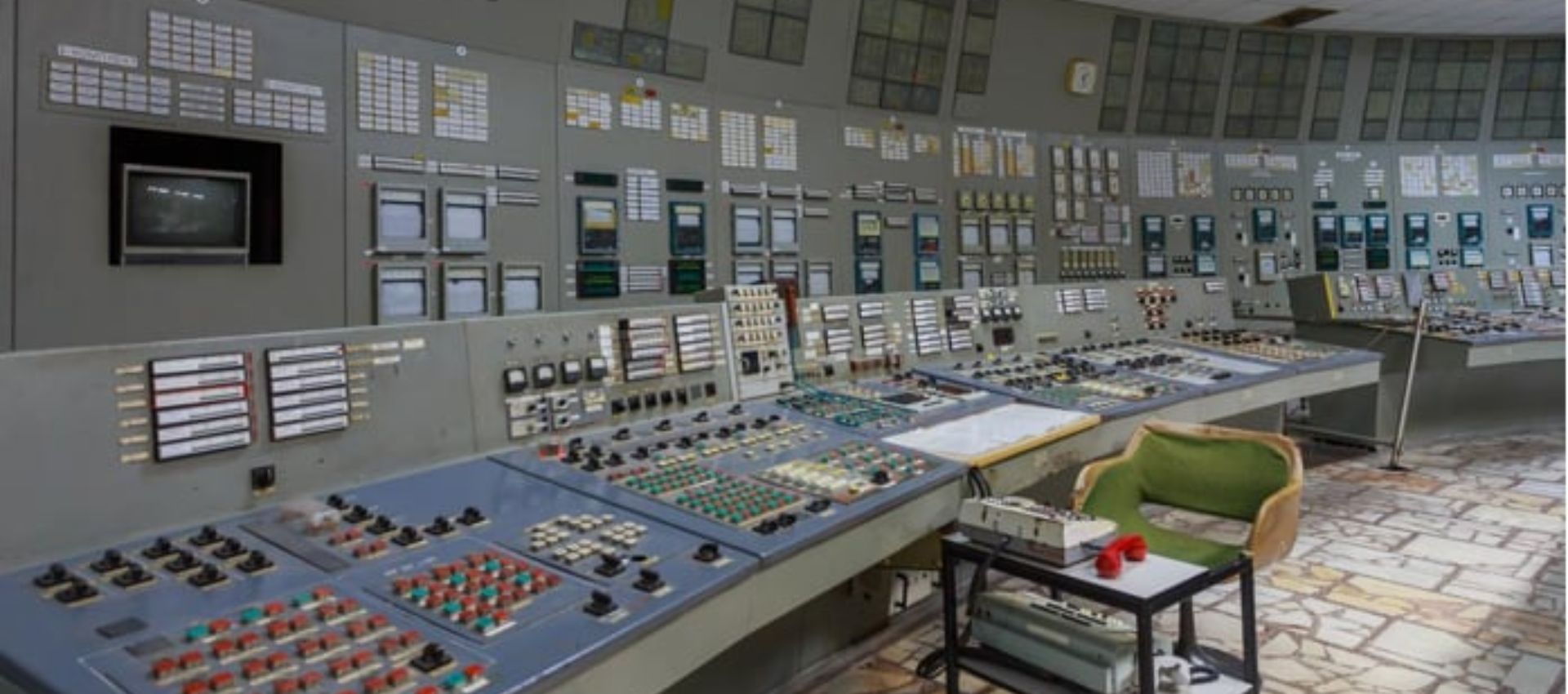
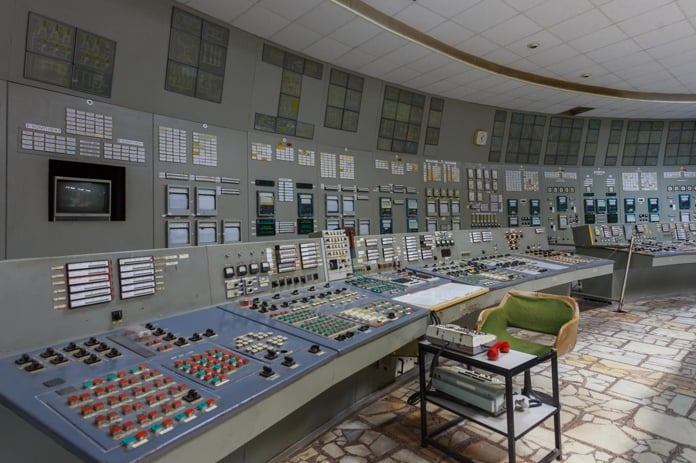
Mizzima Editor-in-Chief Soe Myint visited the Chernobyl nuclear facility during a visit to Ukraine in October 2026. It was a part of delegation of the Crimea Global 2026 conference held in Ukraine on October 14-20. The delegates had an opportunity to witness the conditions surrounding Reactors 1, 2, 3, and 4, including Soviet-era control rooms, equipment, and radiation-monitoring systems.
The accompanying video show parts of the facility associated with Reactor 4, where the catastrophic nuclear accident occurred in 1986.
The 1986 Nuclear Disaster
On April 26, 1986, Reactor 4 at the Chernobyl nuclear power plant exploded, releasing large quantities of radioactive material into the atmosphere and contaminating extensive areas of Europe.

Approximately 30 people died in the immediate aftermath, while many others suffered long-term health consequences associated with radiation exposure.
At the time, Soviet authorities failed to inform the public promptly about the scale of the disaster and concealed important information about the accident.
The nearby city of Pripyat, located approximately three kilometres from the power plant, was evacuated following the explosion. The residents were forced to leave their homes with only a few hours to prepare.
The Chernobyl plant no longer generates electricity. Instead, operations focus on decommissioning, radioactive waste management, and long-term nuclear safety.
New Dangers From Russia’s Invasion
When Russia launched its full-scale invasion of Ukraine in February 2022, Russian forces temporarily occupied the Chernobyl Nuclear Power Plant. During the occupation, Ukrainian security personnel were detained.
Major General Oleksandr Pivnenko, commander of Ukraine’s National Guard, stated that three servicemen who guarded Chernobyl remained in Russian captivity.
On February 14, 2025, a drone struck the New Safe Confinement structure, the massive protective shelter covering the destroyed Reactor 4.
Ukraine accused Russia of carrying out the attack, although the International Atomic Energy Agency (IAEA) initial statements did not independently establish who carried out the attack.
The strike caused a fire and damaged the protective structure, compromising its ability to contain radioactive material. IAEA subsequently inspected and assessed the damage.
According to information released through April 2026, the protective structure had not fully regained its original safety capabilities. However, radiation monitoring had not detected releases of radioactive material exceeding established safety limits.
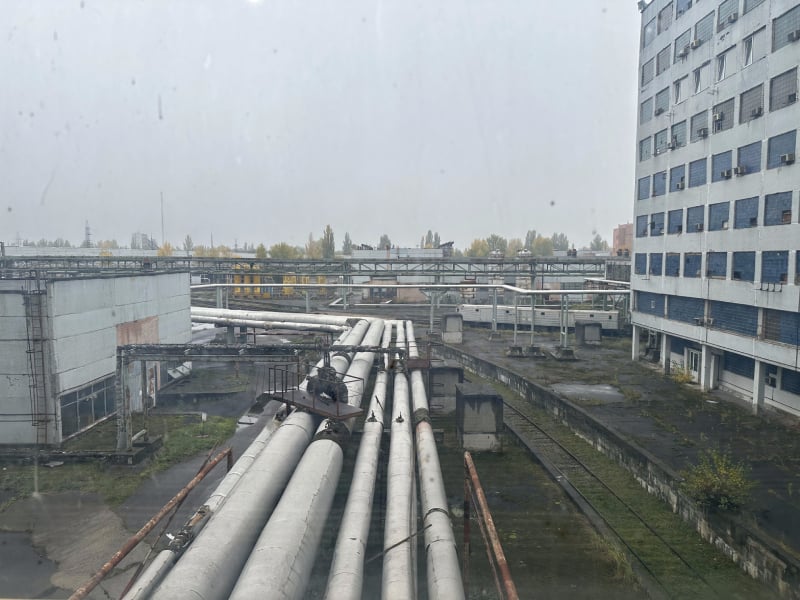
The accompanying videos feature footage recorded during Mizzima’s visit to the Chernobyl Nuclear Power Plant in October 2026.